

As a supplier of China ESS (Energy Storage System) batteries, I've been getting a lot of questions lately about the environmental impact of these batteries during production. It's a super important topic, and I'm here to break it down for you in a way that's easy to understand.
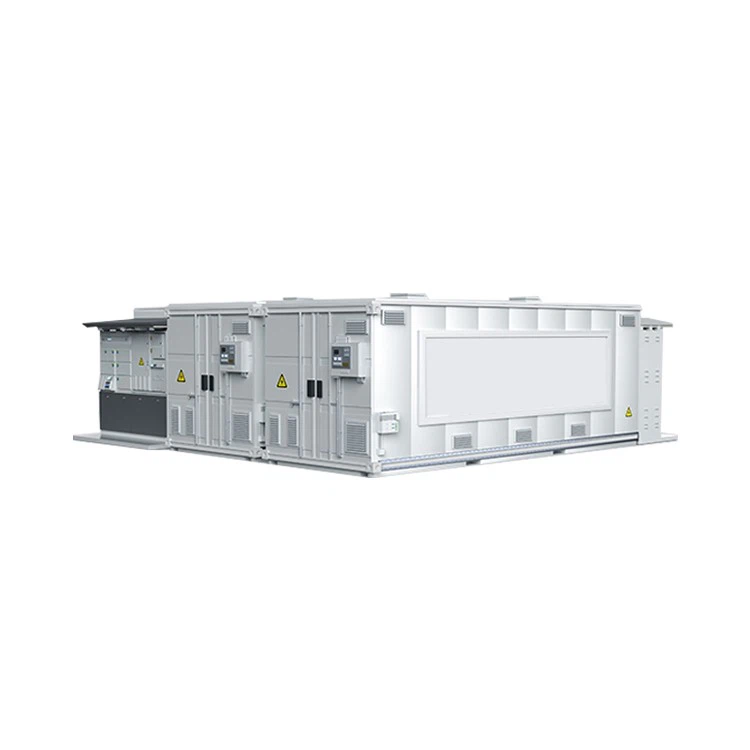
First off, let's talk about what ESS batteries are. They're basically big energy storage units that can store electricity for later use. You can find different types, like the ESS Battery Pack, ess module battery, and lithium ion battery ess container. These batteries play a huge role in our transition to a more sustainable energy future, but we also need to look at how they're made and what that means for the environment.
The Raw Materials
The production of ESS batteries starts with raw materials. The most common type of ESS battery is the lithium - ion battery, and it requires several key materials like lithium, cobalt, nickel, and graphite. Mining these materials can have a significant environmental impact.
Lithium mining, for example, often involves large - scale extraction from salt flats or hard rock mines. This process can use a ton of water, which is a big problem in areas where water is already scarce. It can also lead to soil degradation and water pollution if not managed properly. Cobalt mining has its own set of issues. A lot of cobalt comes from the Democratic Republic of Congo, where mining operations are sometimes associated with human rights abuses and environmental damage.
However, the industry is working hard to address these issues. There are initiatives to develop more sustainable mining practices. For instance, some companies are looking into using less water in lithium extraction or finding alternative sources of cobalt that are more ethically and environmentally friendly.
Energy Consumption in Production
Making ESS batteries takes a lot of energy. The manufacturing process involves several steps, including refining the raw materials, assembling the battery cells, and testing the final product. All these steps require electricity, and if that electricity comes from fossil - fuel - based sources, it can contribute to greenhouse gas emissions.
But here's the good news. Many battery manufacturers in China are starting to use more renewable energy sources in their production facilities. Solar panels and wind turbines are being installed to power the factories, which helps to reduce the carbon footprint of battery production. Some companies are also investing in energy - efficient technologies to use less energy during the manufacturing process.

Chemicals and Waste
The production of ESS batteries also involves the use of various chemicals. These chemicals are used in the electrolyte, which is an important part of the battery that allows the flow of ions. However, some of these chemicals can be toxic and harmful to the environment if not handled properly.
During the manufacturing process, there's also waste generated. This can include scrap materials, used chemicals, and packaging. Proper waste management is crucial to prevent these materials from ending up in landfills or polluting water sources. Many battery manufacturers have implemented waste management programs to recycle and reuse these materials. For example, they can recycle the metals from used battery cells, which not only reduces waste but also helps to conserve natural resources.
Positive Environmental Impacts
Despite the challenges, ESS batteries also have some positive environmental impacts during production. For one, the growing demand for these batteries is driving innovation in the battery industry. This means that new and more sustainable technologies are being developed all the time.
Also, as the production of ESS batteries increases, economies of scale come into play. This can lead to more efficient production processes, which in turn can reduce the overall environmental impact per battery. Additionally, the use of ESS batteries in the energy grid helps to integrate more renewable energy sources like solar and wind. By storing excess energy produced during peak production times, these batteries can ensure a more stable and reliable supply of clean energy, which is a huge win for the environment in the long run.
Our Company's Approach
As a China ESS battery supplier, we're committed to minimizing the environmental impact of our production processes. We source our raw materials from suppliers who follow sustainable and ethical practices. We've also invested in renewable energy sources for our manufacturing facilities, which has significantly reduced our carbon emissions.
We have a strict waste management system in place to ensure that all waste is properly disposed of or recycled. Our R & D team is constantly working on new technologies to make our batteries more energy - efficient and environmentally friendly.
Conclusion
In conclusion, the production of China ESS batteries does have an environmental impact, but it's not all bad. There are challenges related to raw material extraction, energy consumption, and chemical use, but the industry is making significant progress in addressing these issues.
As we move forward, it's important for consumers, manufacturers, and policymakers to work together to ensure that the production of ESS batteries becomes even more sustainable. If you're interested in learning more about our ESS batteries or have any questions about our environmental practices, we'd love to hear from you. Feel free to reach out to us to start a conversation about purchasing our high - quality ESS batteries.
References
- Battery Council International. (2023). The State of the Battery Industry.
- International Renewable Energy Agency. (2022). Renewable Energy and Energy Storage.
- World Bank. (2021). Minerals for Climate Action: The Mineral Intensity of the Clean Energy Transition.