


Your Professional Commercial Battery Supplier
Yangzhou Huizhi New Energy Co., Ltd. was established in 2023. It is a young new energy enterprise. Our company is committed to the production, research and development, and sales of lithium iron phosphate batteries, energy storage systems, photovoltaic systems, and related solar products. Our manufacturing capabilities: stacked, wall-mounted, rack-mounted household energy storage lithium batteries/integrated industrial and commercial energy storage systems/customized container energy storage systems (liquid cooling, air cooling)
Why Choose Us
Professional team
Currently, our company has more than 200 people, including a lithium battery packaging production team of 50 people, an EMS R&D team of 60 people, a container production team of 80 people, and a sales team of 30 people.
Rich experience
Huizhi New Energy was jointly invested and established by a number of companies with rich industry experience and leading technology. Both software and hardware have a mature and complete supply chain and R&D system, and have many years of sales and service experience at home and abroad.
Production Market
Our products are sold to most Europe countries, especially in Germany, also in South Africa and West Africa.
Our service
Fantastic services ---- Fast response, Professional design solutions, Careful guidance and Perfect after-sales support.
-
![Lithium Battery Module for home]() Lithium Battery Module for homeThis high-voltage lithium battery module consists of multiple lithium-ion cells linked both in series and parallel, resulting in high voltage and energy density. These modules are widely utilized inread more
-
![Commercial Industrial Battery Storage Systems]() Commercial Industrial Battery Storage SystemsHuiZhi New Energy company specializes in providing energy storage system solutions tailored for distributed users. The commercial battery storage system features a modular design, offeringread more
-
![51.2v 100ah Lithium Battery module]() 51.2v 100ah Lithium Battery moduleThis lithium battery module is crucial components of modern electric vehicles and energy storage systems. Their high energy density, long lifespan, and lightweight make them widely used in manyread more
-
![48 Volt 100ah Lithium Battery module]() 48 Volt 100ah Lithium Battery moduleThis high-voltage lithium battery module is composed of multiple single lithium-ion cells connected in series and parallel, providing high voltage and energy density. The li ion battery module isread more
-
![Commercial Lithium Ion Battery System]() Commercial Lithium Ion Battery SystemThis commercial battery storage systems is a solution specifically designed for business and industrial users. It integrates components such as batteries, inverters, and management systems. Byread more
-
![Commercial Battery Backup Systems]() Commercial Battery Backup SystemsThis commercial battery storage systems are designed for business and industrial users. They integrate batteries, inverters, and management systems to store electricity and release it during peakread more
-
![Commercial Lithium Batteries System]() Commercial Lithium Batteries SystemThese commercial battery storage systems feature an all-in-one design, incorporating the LFP battery, BMS, PCS, EMS, firefighting system, and temperature control system into a standalone outdoorread more


Commercial Battery specifications
| Fi Series Name | Fi3.5 |
|
Nominal Voltage (V) |
51.6 |
|
Charge Voltage (per IEC 61960) |
58.8 |
|
Discharge Cutoff Voltage |
35.0 |
| Nominal Capacity per IEC 61960 | 67.5 Ah / 3.5 kWh |
| Communication Protocols | J1939 (29-bit), CAN Open (11-bit) |
| Discharge Temperature Range | -20°C to +60°C |
| Storage Temperature Range (1 Month / 1 Year) | -20° to +60°C / -20°C to +25°C |
| Charge Temperature Range | 0°C to +45°C |
| Marketed Durability | 2000 cycles to 80% initial capacity |
| Discharge Current, Nominal | 67 |
| Parallel Capabl | Yes, up to 10 batteries |
Application
Electric Vehicles
In the electric vehicle (EV) sector, Commercial Battery have revolutionized transportation. Whether it's e-bikes, electric motorcycles, cargo bikes, or scooters, lithium batteries offer a practical and eco-friendly solution, with the added benefit of a quick charging process.
Consumer Products
From smartphones to laptops, Commercial Battery have transformed the way we use everyday consumer electronics. Their high energy density ensures that your products run longer on a single charge, providing convenience to your customers.

Energy Storage Systems
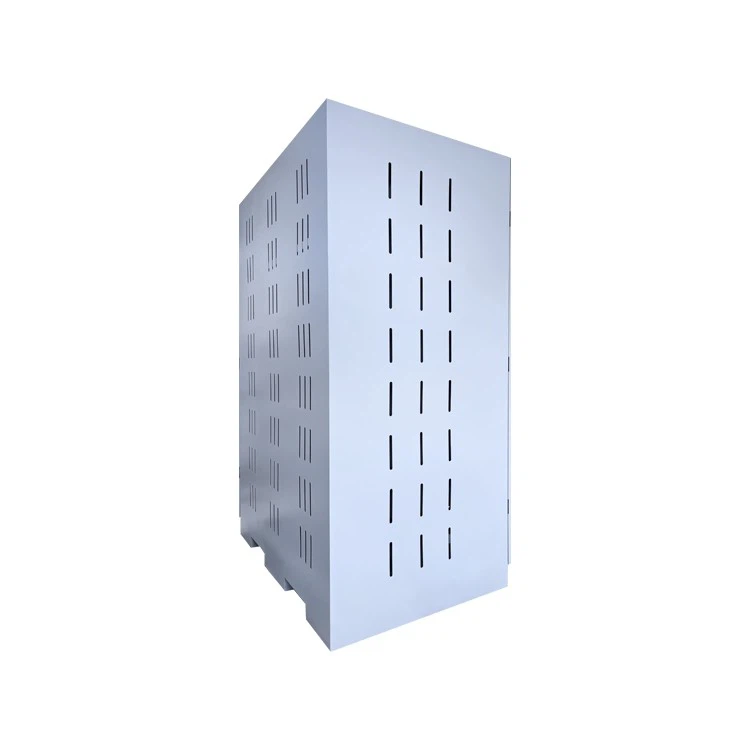
The renewable energy industry relies on Commercial Battery to store excess energy generated by sources like solar and wind. These batteries enable efficient energy utilization, making green energy more accessible.
Industrial Applications
In industries such as aerospace and manufacturing, Commercial Battery power a wide array of equipment, offering reliable and long-lasting performance.
Types of Commercial Battery
Lead Acid
Lead acid batteries are the oldest battery type used. Until very recently, it was the only practical battery technology for storing solar electricity, according to Solar Quotes.
Lithium-ion
Lithium-ion batteries are widely used in your smartphones and laptops. They can also be used in electric cars. Lithium-ion batteries can be discharged deeper and have a longer lifespan than lead acid batteries.
Flow
Flow batteries are a relatively new type of battery emerging in the market. They are called flow batteries because they have a water-based solution of zinc-bromide sloshing around inside them, according to Solar Quotes.
Sodium Nickel Chloride
Sodium nickel chloride is another new battery type. Compared to other battery types, this one is the newest and safest. The chemistry used inside these batteries makes it pretty safe and reliable.
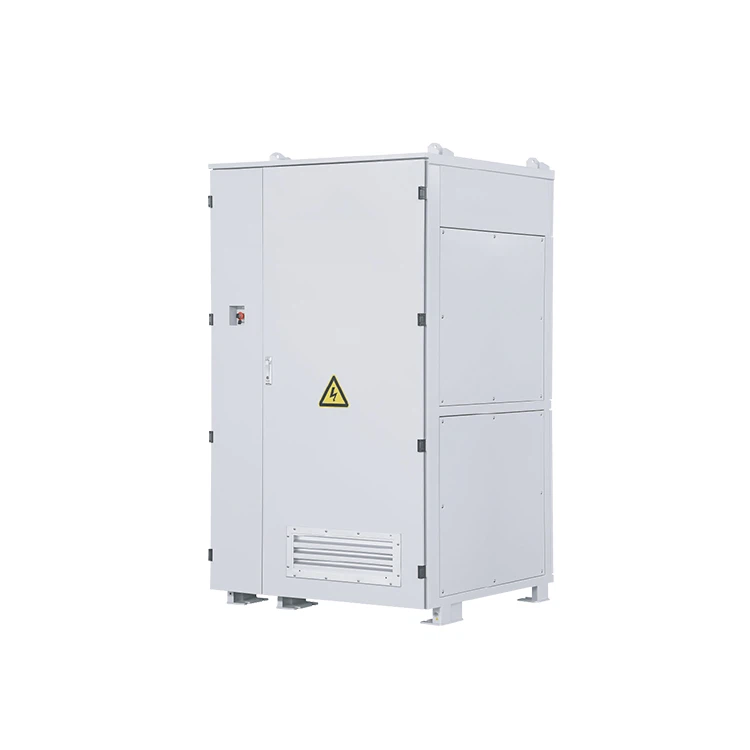
The process of designing and building a custom Commercial Battery involves several steps.
1) Identify the specific power requirements of the application including the required voltage, current, and capacity.
2) Select the appropriate battery chemistry and cell configuration.
3) Engineer and design the battery which may include a battery management system (BMS).This requires determining the charging and discharging parameters, as well as incorporating safety features.
4) Designing the production method to assembly the battery.This involves connecting the cells, installing the BMS (if required).
5) Testing the assembly in our Quality Control team.
Packaging and Shipping of the Pack
Robust packaging materials are used and appropriate safety protocols are followed to ensure that the product reaches its final destination in perfect condition.
During the packaging process, we ensure that the battery pack is adequately protected against any possible damage during transportation. Strong, padded packaging materials are used to prevent shocks, vibrations or impacts that could affect the integrity of the product.
Additionally, applicable safety protocols and transportation regulations for shipping hazardous products, such as lithium batteries, are strictly followed. Packages are labeled correctly and the necessary documentation is provided to comply with all local and international regulations.
Once the battery pack is properly packaged and labeled, it is scheduled for shipment using reliable and safe transportation services. We make sure to coordinate delivery with the customer to ensure timely and smooth arrival.
FAQ
We're professional commercial battery manufacturers and suppliers in China, specialized in providing high quality OEM&ODM service. We warmly welcome you to buy cost-efficient commercial battery for sale here from our factory. For price consultation, contact us.
battery disadvantage for commercial product, battery review for commercial product, battery limitation for commercial application