

Can a lithium battery for home be used in a basement? This is a question that many homeowners and energy enthusiasts often ask, especially as the demand for home energy storage solutions continues to grow. As a supplier of lithium batteries for home use, I'm here to provide you with a comprehensive answer based on scientific knowledge and practical experience.
Understanding Lithium Batteries for Home Use
Lithium batteries have become increasingly popular for home energy storage due to their high energy density, long lifespan, and relatively low maintenance requirements. These batteries can store excess energy generated by solar panels or other renewable energy sources, allowing homeowners to use this stored energy during periods of low energy production or high demand.
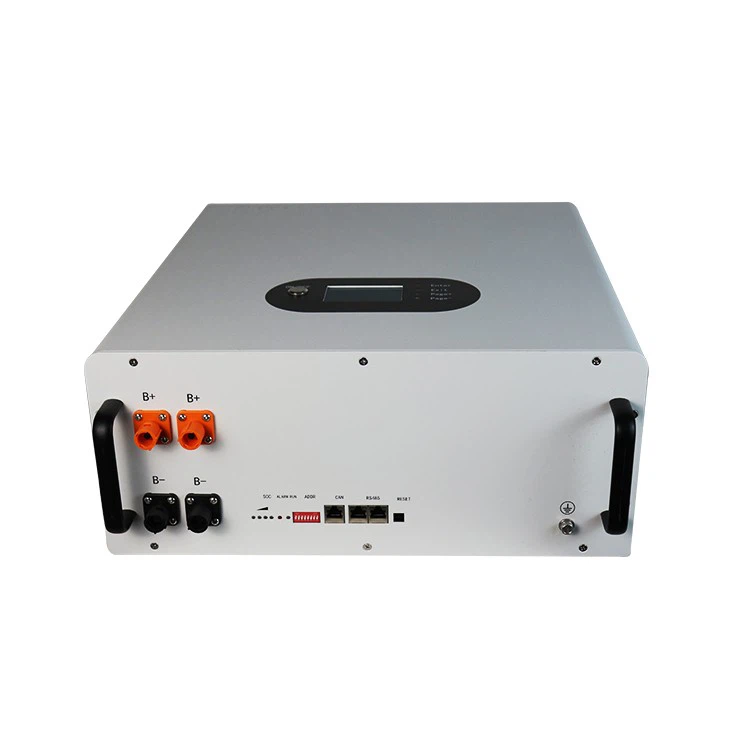
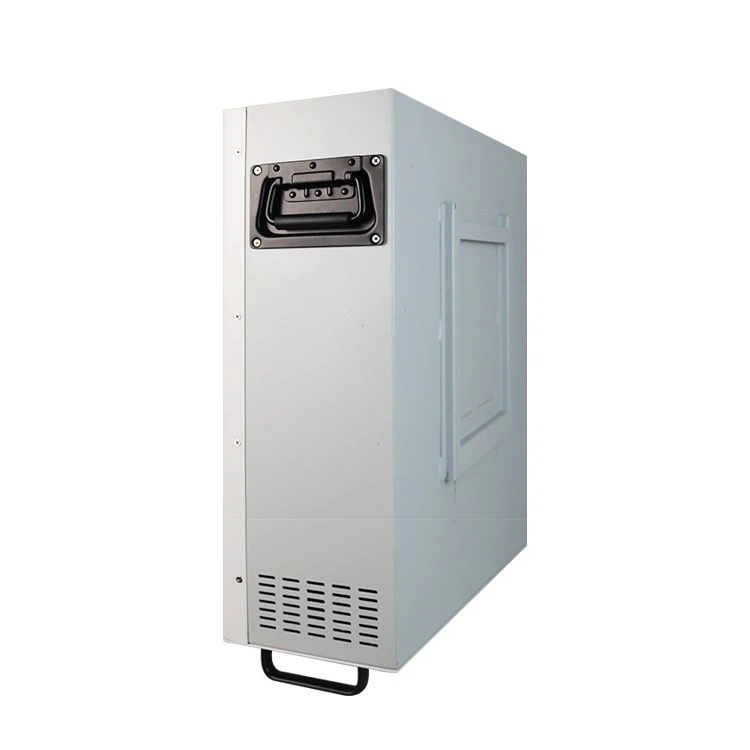
There are different types of lithium batteries available for home use, including Lithium Ion Battery for Solar Energy Storage. These batteries are specifically designed to work in conjunction with solar energy systems, providing an efficient way to store and use solar power. Another option is the Lithium Battery Bank for Home, which consists of multiple lithium batteries connected together to increase the overall storage capacity.
Advantages of Using Lithium Batteries in a Basement
There are several advantages to using a lithium battery for home in a basement. Firstly, basements typically offer a stable and relatively cool environment. Lithium batteries perform best within a certain temperature range, usually between 20°C and 25°C (68°F - 77°F). The cooler temperatures in a basement can help to extend the lifespan of the battery and improve its overall performance.
Secondly, basements provide a secure and protected space for the battery. They are often less exposed to external elements such as extreme weather conditions, which can potentially damage the battery. Additionally, basements are usually away from high-traffic areas in the house, reducing the risk of accidental damage to the battery.
Considerations for Using Lithium Batteries in a Basement
While there are advantages to using a lithium battery in a basement, there are also some important considerations to keep in mind.
Ventilation
Proper ventilation is crucial when using lithium batteries in a basement. Lithium batteries can release small amounts of gas during normal operation, and in the event of a thermal runaway or other malfunction, they can release more significant amounts of gas. Adequate ventilation helps to dissipate these gases and prevent the buildup of potentially hazardous fumes. It is recommended to install ventilation systems that can exchange the air in the basement regularly.
Moisture
Basements are prone to moisture problems, such as dampness and water leaks. Moisture can damage lithium batteries and reduce their performance. To prevent this, it is important to ensure that the basement is properly waterproofed and that the battery is installed on a dry and elevated surface. Additionally, using a dehumidifier in the basement can help to maintain a low humidity level.
Fire Safety
Although lithium batteries are generally safe, there is a small risk of fire in the event of a malfunction. It is important to have appropriate fire safety measures in place, such as installing a fire extinguisher and smoke detectors in the basement. Additionally, the battery should be installed in a fire-resistant enclosure to contain any potential fire.
Installation and Maintenance
Proper installation and maintenance are essential for the safe and efficient operation of lithium batteries. It is recommended to have the battery installed by a professional who is familiar with the specific requirements of lithium battery systems. Regular maintenance, such as checking the battery's state of charge, voltage, and temperature, is also important to ensure its long-term performance.
Case Studies and Real-World Examples
To illustrate the practicality of using lithium batteries in a basement, let's look at some real-world examples.
In a residential area, a homeowner installed a Lithium Storage Battery pack in their basement to store the energy generated by their solar panels. The basement provided a cool and stable environment for the battery, and with proper ventilation and moisture control, the battery has been operating efficiently for several years. The homeowner has been able to reduce their reliance on the grid and save on their energy bills.
Another example is a small business that installed a lithium battery bank in their basement to provide backup power during power outages. The battery bank was able to keep the essential equipment running, ensuring that the business could continue its operations without significant disruptions.
Conclusion
In conclusion, a lithium battery for home can be used in a basement, but it requires careful consideration of several factors, including ventilation, moisture, fire safety, and proper installation and maintenance. When these factors are addressed, using a lithium battery in a basement can be a practical and efficient solution for home energy storage.
If you are interested in purchasing a lithium battery for your home, we are here to help. Our team of experts can provide you with detailed information about our products and assist you in choosing the right battery for your specific needs. We also offer professional installation and maintenance services to ensure the safe and efficient operation of your battery. Contact us today to start your journey towards a more sustainable and energy-efficient home.
References
- "Lithium-Ion Batteries: Fundamentals and Applications" by John B. Goodenough and Yutaka Yamamoto
- "Energy Storage for Sustainable Microgrids" by S. S. Venkata Subramaniam and K. C. Kalaiselvi
- "Handbook of Batteries" by David Linden and Thomas B. Reddy