

As a supplier of lithium batteries for home backup, I often receive inquiries from customers living in off - grid homes about whether our lithium batteries can be used in their off - grid setups. This is a question that combines technical feasibility, economic viability, and environmental considerations. In this blog, I will delve into the details of using lithium batteries for home backup in off - grid homes.
The Basics of Off - Grid Homes
Off - grid homes are those that are not connected to the main electrical grid. They rely on self - generated power sources such as solar panels, wind turbines, or small hydroelectric generators. These power sources are intermittent, meaning they do not produce electricity consistently. For example, solar panels only generate power during the day, and wind turbines depend on the availability of wind. Therefore, energy storage is crucial for off - grid homes to ensure a continuous supply of electricity.
Why Lithium Batteries?
Lithium batteries have several advantages over traditional lead - acid batteries, which have been the go - to option for off - grid energy storage for a long time.
High Energy Density
Lithium batteries have a much higher energy density than lead - acid batteries. This means that they can store more energy in a smaller and lighter package. For off - grid homes, where space and weight may be limited, this is a significant advantage. A smaller battery footprint allows for more efficient use of space within the home or storage area.
Long Lifespan
Lithium batteries typically have a longer lifespan compared to lead - acid batteries. They can withstand a greater number of charge - discharge cycles without significant degradation. This reduces the frequency of battery replacements, which is not only cost - effective in the long run but also reduces the environmental impact associated with battery disposal.
High Efficiency
Lithium batteries have a high charge and discharge efficiency. They can charge and discharge with minimal energy loss, which is crucial for off - grid systems where every bit of energy counts. This efficiency means that more of the energy generated by the renewable sources can be stored and used later.
Low Self - Discharge Rate
Lithium batteries have a very low self - discharge rate. This means that they lose very little energy when they are not in use. In an off - grid system, where the battery may need to store energy for extended periods, a low self - discharge rate ensures that the stored energy is available when needed.
Compatibility with Off - Grid Systems
Lithium batteries are highly compatible with off - grid systems. They can be easily integrated with solar panels, wind turbines, and other renewable energy sources. Most lithium batteries for home backup come with built - in battery management systems (BMS) that ensure safe and efficient operation. The BMS monitors the battery's state of charge, temperature, and other parameters, preventing overcharging, over - discharging, and short - circuits.
When it comes to sizing the lithium battery for an off - grid home, it is important to consider the power consumption of the home and the capacity of the renewable energy sources. A professional energy audit can help determine the appropriate battery capacity. For example, if a home has a high power demand, such as a large number of electrical appliances or a high - energy heating system, a larger battery capacity will be required.
Cost Considerations
While lithium batteries have many advantages, they do come with a higher upfront cost compared to lead - acid batteries. However, when considering the long - term cost, including the longer lifespan and higher efficiency, lithium batteries can be a more cost - effective option. The initial investment in a lithium battery system may be offset by the reduced need for frequent replacements and the lower energy losses.
In addition, as the demand for lithium batteries increases and technology advances, the cost of lithium batteries is gradually decreasing. This makes them more accessible for off - grid homeowners.

Environmental Impact
Lithium batteries are generally considered to be more environmentally friendly than lead - acid batteries. They contain fewer toxic materials and can be recycled more easily. Recycling lithium batteries helps to reduce the demand for new raw materials and minimizes the environmental impact of battery production and disposal.
Real - World Examples
There are many off - grid homes around the world that have successfully implemented lithium battery storage systems. These homes have reported increased energy reliability, reduced energy costs, and a smaller environmental footprint. For instance, a family in a remote area may rely on solar panels during the day and use the stored energy in the lithium battery at night. With a well - sized lithium battery system, they can power their lights, appliances, and even charge their electric vehicles.
Product Offerings
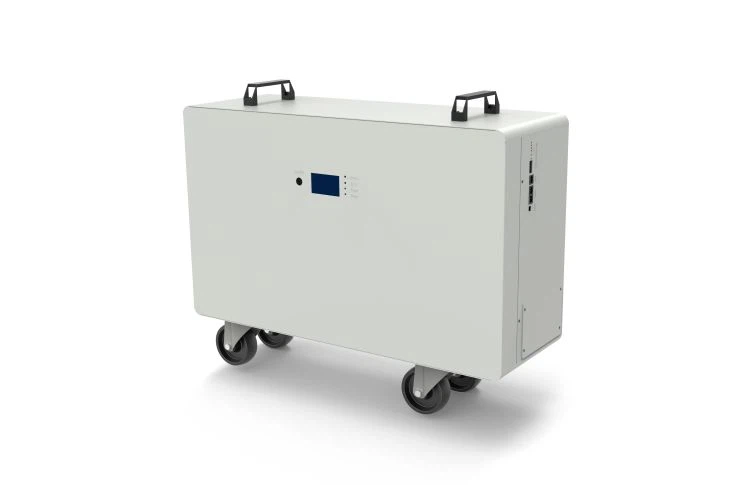
As a supplier of lithium batteries for home backup, we offer a range of products to meet the needs of off - grid homes. Our lithium ion battery storage packs are designed for high - performance and long - term use. They come in different capacities to suit various power requirements. Our Lithium Storage Battery Systems are integrated solutions that include the battery, BMS, and other necessary components for a complete off - grid energy storage system. And our Lithium Battery Bank for Home provides a scalable solution for larger off - grid homes or those with higher power demands.
Contact Us for Purchase and Consultation
If you are an off - grid homeowner looking for a reliable energy storage solution, our lithium batteries for home backup are an excellent choice. We have a team of experts who can help you determine the right battery system for your specific needs. Whether you are just starting to plan your off - grid setup or looking to upgrade your existing energy storage system, we are here to assist you. Contact us to discuss your requirements and start the journey towards a more sustainable and reliable off - grid energy solution.
References
- Smith, J. (2020). Energy Storage Technologies for Off - Grid Homes. Renewable Energy Journal.
- Brown, A. (2019). The Advantages of Lithium Batteries in Off - Grid Systems. Energy Research Report.
- Green, C. (2021). Cost - Benefit Analysis of Lithium Battery Storage in Off - Grid Homes. Journal of Sustainable Energy.