

As a supplier of ESS module batteries, I often get asked whether our batteries are affected by electromagnetic interference (EMI). It's a valid concern, especially considering the increasing prevalence of electronic devices and the complex electromagnetic environments in which our batteries operate. In this blog post, I'll share some insights into how EMI can impact ESS module batteries and what we're doing to ensure the reliability of our products.
Understanding Electromagnetic Interference
Electromagnetic interference refers to the disruption of electronic circuits or systems caused by electromagnetic radiation. This radiation can come from a variety of sources, including power lines, radio frequency (RF) transmitters, and even other electronic devices. EMI can manifest in different ways, such as signal distortion, noise, or even complete system failure.
In the context of ESS module batteries, EMI can potentially affect the battery management system (BMS), which is responsible for monitoring and controlling the battery's performance. If the BMS is affected by EMI, it may lead to inaccurate readings of the battery's state of charge, overcharging or undercharging, and ultimately, reduced battery life.
How EMI Affects ESS Module Batteries
The impact of EMI on ESS module batteries can vary depending on several factors, including the intensity of the electromagnetic field, the frequency of the radiation, and the design of the battery and its components. Here are some of the ways EMI can affect our batteries:
- Battery Management System (BMS) Malfunction: The BMS is a critical component of an ESS module battery, as it ensures the safe and efficient operation of the battery. EMI can interfere with the BMS's ability to accurately measure the battery's voltage, current, and temperature, leading to incorrect charging and discharging decisions. This can result in reduced battery performance, increased wear and tear, and even safety risks.
- Communication Interruptions: ESS module batteries often communicate with other components in the energy storage system, such as inverters and controllers. EMI can disrupt these communication channels, leading to data loss, synchronization issues, and reduced system efficiency.
- Electrical Noise: EMI can introduce electrical noise into the battery's electrical circuits, which can affect the performance of sensitive electronic components. This can lead to increased power consumption, reduced battery efficiency, and potential damage to the battery.
Our Approach to Mitigating EMI
At our company, we take EMI seriously and have implemented several measures to mitigate its impact on our ESS module batteries. Here are some of the steps we take:
- EMI Shielding: We use high-quality EMI shielding materials to protect the battery and its components from electromagnetic radiation. These materials are designed to absorb and reflect EMI, reducing its impact on the battery's performance.
- Filtering and Grounding: We incorporate filtering and grounding techniques into our battery design to reduce the effects of EMI. Filters are used to remove unwanted frequencies from the electrical signals, while grounding provides a path for the EMI to dissipate safely.
- Component Selection: We carefully select the components used in our ESS module batteries to ensure they are resistant to EMI. This includes using components with low EMI emissions and high immunity to external electromagnetic fields.
- Testing and Certification: We conduct extensive testing on our batteries to ensure they meet the relevant EMI standards and regulations. This includes testing for radiated and conducted emissions, as well as immunity to external electromagnetic fields.
Real-World Examples
To illustrate the effectiveness of our EMI mitigation measures, let's take a look at some real-world examples. In a recent project, we installed an ESS Battery System in a data center that was located near a high-power radio transmitter. Despite the high levels of EMI in the area, our battery system continued to operate reliably, thanks to the EMI shielding and filtering measures we had implemented.
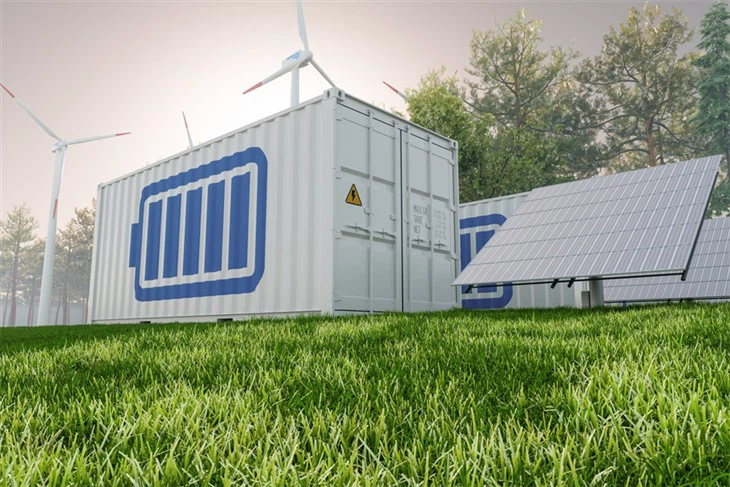
In another project, we supplied lithium ion battery ess container for a renewable energy project in a remote area. The container was exposed to a variety of electromagnetic sources, including lightning strikes and radio frequency interference. However, our battery system was able to withstand these challenges and provide reliable energy storage for the project.
Conclusion
In conclusion, electromagnetic interference can have a significant impact on the performance and reliability of ESS module batteries. However, by implementing effective EMI mitigation measures, we can minimize the risk of EMI-related issues and ensure the safe and efficient operation of our batteries.
If you're interested in learning more about our ESS module batteries or have any questions about EMI, please don't hesitate to contact us. We'd be happy to discuss your specific requirements and provide you with a customized solution. Whether you're looking for an ESS Battery Pack for a small-scale project or a large-scale energy storage system, we have the expertise and experience to meet your needs.

References
- Electromagnetic Compatibility (EMC) Standards and Regulations
- Battery Management System Design and Implementation
- EMI Shielding and Filtering Techniques