

Hey there! As a supplier of commercial battery backup systems, I often get asked if these systems can be used in warehouses. Well, let's dive right into it and explore the ins and outs of using commercial battery backup systems in warehouse settings.
Why Warehouses Need Battery Backup Systems
Warehouses are crucial hubs in the supply chain. They store a vast amount of inventory, and any disruption in power can lead to significant losses. For instance, if the refrigeration systems in a cold storage warehouse go down due to a power outage, the perishable goods can spoil. This not only results in financial losses but also affects the reputation of the business.
Moreover, modern warehouses rely heavily on automated systems, such as conveyor belts, robotic forklifts, and inventory management software. These systems need a stable power supply to function properly. A sudden power outage can cause these systems to malfunction, leading to delays in operations and potential damage to equipment.
Can Commercial Battery Backup Systems Be Used in Warehouses?
The short answer is yes! Commercial battery backup systems are designed to provide a reliable source of power during outages. They can be installed in warehouses to ensure that critical systems continue to operate even when the main power supply is disrupted.
One of the key advantages of using commercial battery backup systems in warehouses is their ability to provide instant power. When the power goes out, these systems can kick in within seconds, preventing any interruption in operations. This is especially important for warehouses that deal with time-sensitive products or have strict delivery schedules.
Another benefit is the flexibility of commercial battery backup systems. They can be customized to meet the specific power requirements of a warehouse. Whether you need a small system to power a few critical devices or a large-scale system to support the entire warehouse, there are options available.
Types of Commercial Battery Backup Systems for Warehouses
There are several types of commercial battery backup systems that can be used in warehouses. The most common ones include:
- Lead-Acid Batteries: These are the traditional type of batteries used in backup systems. They are relatively inexpensive and have a long history of use. However, they require regular maintenance and have a limited lifespan.
- Lithium-Ion Batteries: Lithium-ion batteries are becoming increasingly popular in commercial applications. They offer higher energy density, longer lifespan, and faster charging times compared to lead-acid batteries. Commercial Lithium Batteries System is a great option for warehouses looking for a reliable and efficient battery backup solution.
- Flow Batteries: Flow batteries are a newer type of battery technology that offers high energy storage capacity and long cycle life. They are ideal for large-scale applications, such as warehouses with high power demands.
Considerations When Choosing a Commercial Battery Backup System for Warehouses
When choosing a commercial battery backup system for your warehouse, there are several factors to consider:
- Power Requirements: Determine the power requirements of your warehouse, including the total wattage of all the critical systems that need to be powered during an outage. This will help you choose a system with the appropriate capacity.
- Runtime: Consider how long you need the backup system to provide power. This will depend on the frequency and duration of power outages in your area. A longer runtime may require a larger battery capacity.
- Cost: Compare the cost of different battery backup systems, including the initial purchase price, installation costs, and maintenance costs. Consider the long-term savings and benefits of investing in a high-quality system.
- Compatibility: Ensure that the battery backup system is compatible with your existing electrical infrastructure. This includes the voltage, frequency, and connection requirements.
- Safety: Look for a system that meets all the necessary safety standards and regulations. This includes features such as overcharge protection, short-circuit protection, and temperature control.
Case Studies: Successful Use of Commercial Battery Backup Systems in Warehouses
To illustrate the effectiveness of commercial battery backup systems in warehouses, let's take a look at a few case studies:

-
Case Study 1: A Cold Storage Warehouse
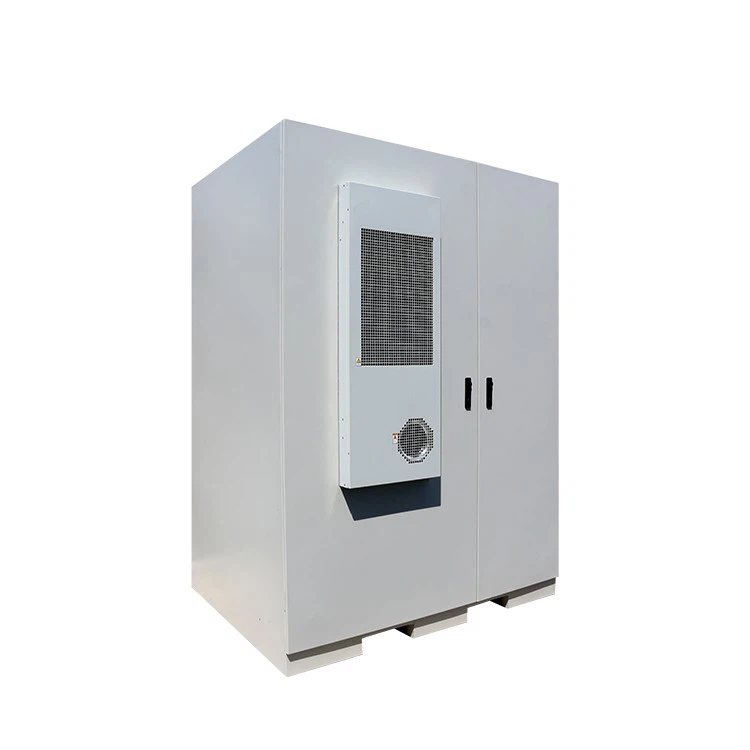
A cold storage warehouse in a region prone to power outages installed a Commercial Industrial Battery Storage Systems to protect its perishable goods. The system was able to provide power to the refrigeration units for several hours during a power outage, preventing any spoilage of the inventory. This not only saved the company a significant amount of money but also ensured that its customers received high-quality products. -
Case Study 2: An Automated Warehouse
An automated warehouse that relied on robotic forklifts and conveyor belts installed a battery backup system to ensure uninterrupted operations. The system was able to provide power to the critical systems during a power outage, allowing the warehouse to continue its operations without any major disruptions. This helped the company meet its delivery deadlines and maintain its reputation in the market.
How to Install and Maintain a Commercial Battery Backup System in a Warehouse
Installing a commercial battery backup system in a warehouse requires careful planning and professional installation. Here are the steps involved:
- Conduct a Site Assessment: Before installing the system, conduct a thorough site assessment to determine the best location for the battery backup system. Consider factors such as ventilation, temperature control, and access to the electrical infrastructure.
- Choose the Right System: Based on your power requirements and budget, choose the right commercial battery backup system for your warehouse. Consider the type of battery, capacity, and runtime.
- Install the System: Hire a professional electrician to install the battery backup system. Ensure that the installation is done according to the manufacturer's instructions and all the necessary safety standards.
- Test the System: Once the system is installed, test it to ensure that it is working properly. This includes testing the battery capacity, charging system, and backup power output.
- Maintain the System: Regularly maintain the battery backup system to ensure its optimal performance. This includes checking the battery levels, cleaning the terminals, and replacing any worn-out components.
Conclusion
In conclusion, commercial battery backup systems can be a valuable asset for warehouses. They provide a reliable source of power during outages, ensuring that critical systems continue to operate and minimizing the impact of power disruptions. When choosing a system, consider your power requirements, runtime, cost, compatibility, and safety. With the right system and proper installation and maintenance, you can protect your warehouse and your business from the negative effects of power outages.
If you're interested in learning more about commercial battery backup systems for your warehouse or have any questions, feel free to contact us. We'd be happy to help you find the right solution for your needs.
References
- "Battery Backup Systems for Commercial Buildings." Energy.gov.
- "The Benefits of Using Lithium-Ion Batteries in Commercial Applications." Battery University.
- "How to Choose the Right Battery Backup System for Your Warehouse." Warehouse Management Journal.