

What is the Cost - Effectiveness of a Lithium Ion Battery for Solar Energy Storage Over Time?
In the renewable energy landscape, solar power has emerged as a dominant force. However, the intermittent nature of sunlight has necessitated the development of effective energy storage solutions. Lithium - ion batteries have quickly become a front - runner in the field of solar energy storage. As a supplier of Lithium Ion Battery for Solar Energy Storage, I am well - positioned to discuss the cost - effectiveness of these batteries over time.
Initial Investment
The upfront cost of a lithium - ion battery for solar energy storage is relatively high compared to some other energy storage options. This is mainly due to the cost of raw materials, such as lithium, cobalt, and nickel, and the complex manufacturing processes involved. For homeowners and businesses looking to install a solar energy storage system, the price of a lithium ion battery storage packs can be a significant deterrent.
However, in recent years, the cost of lithium - ion batteries has been steadily declining. According to BloombergNEF, the average price of lithium - ion battery packs has dropped by more than 85% since 2010. This trend is expected to continue as technological advancements increase production efficiency and economies of scale are realized. As a supplier, we are constantly working with our partners to drive down costs and pass on the savings to our customers.
Long - term Savings
One of the main factors contributing to the long - term cost - effectiveness of lithium - ion batteries for solar energy storage is their ability to reduce electricity bills. By storing excess solar energy generated during the day, these batteries allow users to use stored energy during peak hours when electricity rates are typically higher. This is known as peak shaving.
For example, in an area with time - of - use electricity rates, a solar power system combined with a Lithium Storage Battery pack can store energy during off - peak hours (such as mid - day) and use it during peak hours (such as early evening). Over time, the savings on electricity bills can be substantial, often offsetting the initial investment in the battery system.
Another aspect of long - term savings is related to the lifespan of lithium - ion batteries. High - quality lithium - ion batteries can have a cycle life of several thousand charge - discharge cycles. A cycle life refers to the number of times a battery can be fully charged and discharged before its capacity drops below a certain level. With proper maintenance and usage, a lithium - ion battery for solar energy storage can last 10 to 15 years or even longer. This long lifespan means that users do not have to replace the battery frequently, which further reduces the overall cost of the energy storage system.
Efficiency and Performance
Lithium - ion batteries are known for their high energy density and efficiency. Energy density refers to the amount of energy that can be stored in a given volume or weight of the battery. A high - energy - density battery can store more energy in a smaller space, which is particularly beneficial for applications where space is limited, such as in residential solar energy storage systems.
In terms of efficiency, lithium - ion batteries have a high charge - discharge efficiency. This means that a large percentage of the energy stored in the battery can be retrieved and used when needed. High efficiency translates into less energy wastage during the charging and discharging process, allowing users to make the most of the solar energy they generate.
From a performance perspective, lithium - ion batteries can respond quickly to changes in energy demand. They can be charged and discharged rapidly, which is crucial for handling sudden changes in electricity consumption or for providing backup power during power outages. This reliable performance ensures that users have a stable and continuous supply of energy, enhancing the overall value of the solar energy storage system.
Maintenance Costs
Maintenance costs are another important factor in evaluating the cost - effectiveness of a lithium - ion battery for solar energy storage. Compared to other types of batteries, such as lead - acid batteries, lithium - ion batteries require relatively little maintenance.
Lead - acid batteries need regular watering and equalization charging to maintain their performance and lifespan. In contrast, lithium - ion batteries do not require watering, and their charging management systems are designed to prevent over - charging and over - discharging, which can damage the battery. This reduced maintenance requirement not only saves time but also reduces the long - term cost of owning and operating a solar energy storage system.
Environmental Impact and Incentives
Lithium - ion batteries for solar energy storage also have a positive environmental impact. By enabling the more efficient use of solar energy, they reduce the reliance on fossil - fuel - based electricity generation, which in turn reduces greenhouse gas emissions.
In many regions, governments offer incentives for the installation of solar energy storage systems, including tax credits, rebates, and feed - in tariffs. These incentives can significantly reduce the net cost of purchasing and installing a lithium - ion battery for solar energy storage. As a supplier, we are often in touch with local and national policies to inform our customers about the available incentives and help them maximize their savings.
Future Outlook
The future looks bright for the cost - effectiveness of lithium - ion batteries for solar energy storage. Continued technological innovation is expected to further reduce the cost of battery production and improve their performance. For instance, research is being conducted on new battery chemistries that could potentially increase energy density, reduce the use of expensive raw materials, and extend the battery lifespan.
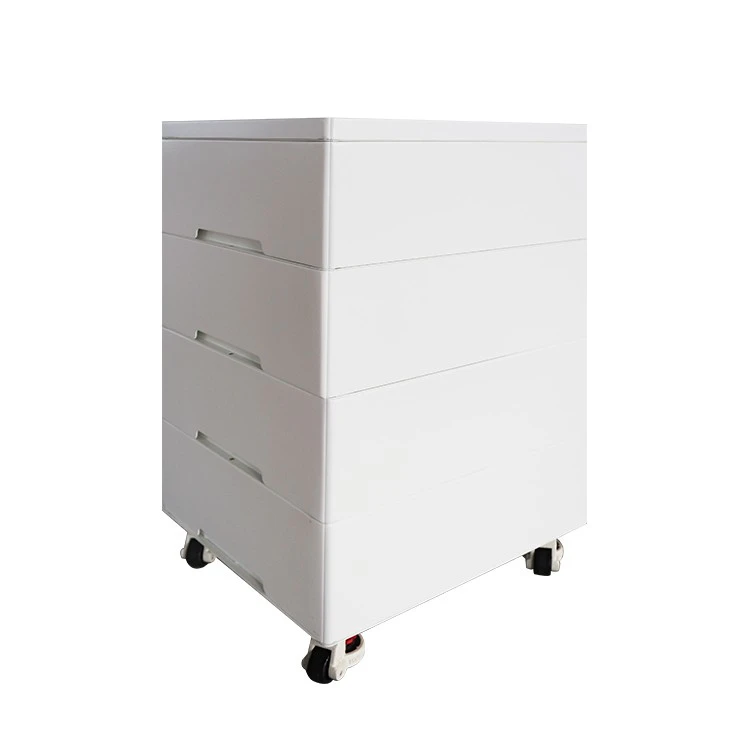

As the demand for solar energy storage grows, the market for lithium - ion batteries is likely to expand, leading to even greater economies of scale. This will in turn drive down the cost of the batteries, making them even more affordable for a wider range of consumers.
Conclusion
In conclusion, while the initial investment in a lithium - ion battery for solar energy storage can be high, the long - term cost - effectiveness is quite impressive. The combination of long - term savings on electricity bills, high efficiency and performance, low maintenance costs, environmental benefits, and available incentives makes these batteries an attractive option for solar energy users.
As a Lithium Ion Battery for Solar Energy Storage supplier, we are committed to providing high - quality and cost - effective solutions to our customers. If you are interested in exploring the possibilities of a solar energy storage system with lithium - ion batteries, we encourage you to contact us for more information and to discuss your specific needs. Our team of experts can provide detailed product information, cost estimates, and help you navigate through the available incentives. Let's work together to make your solar energy system more efficient and cost - effective.
References
BloombergNEF. Lithium - Ion Battery Prices Continue to Drop. [Accessed date].
Industry reports on solar energy storage and lithium - ion battery technology.