

Hey there! As a supplier of low voltage lithium batteries, I often get asked about the self - discharge rate of these batteries. So, let's dive right into it and explore what this self - discharge rate is all about.
First off, what exactly is the self - discharge rate? Well, simply put, it's the rate at which a battery loses its charge when it's not being used. Even when a low voltage lithium battery is just sitting on a shelf, it's slowly losing some of its stored energy. This is a natural process that happens in all types of batteries, and low voltage lithium batteries are no exception.
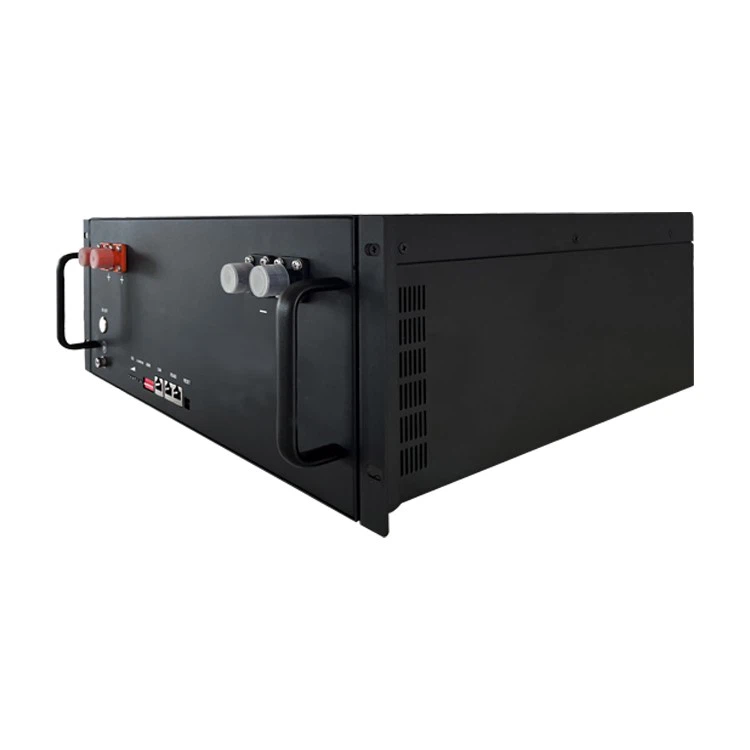

Now, you might be wondering why this self - discharge occurs. There are a few reasons for this. One of the main factors is the internal chemical reactions that take place within the battery. In a low voltage lithium battery, the lithium ions move between the anode and the cathode during charging and discharging. But even when the battery is not in use, some of these ions can still move around in an uncontrolled way, leading to a loss of charge.
Another factor that can affect the self - discharge rate is the temperature. Batteries tend to self - discharge faster at higher temperatures. This is because the increased heat speeds up the chemical reactions inside the battery. So, if you store your low voltage lithium batteries in a hot environment, they'll lose their charge more quickly.
The self - discharge rate of a low voltage lithium battery is usually expressed as a percentage per month. For example, a battery with a self - discharge rate of 2% per month means that if it's fully charged, it will lose 2% of its charge every month just by sitting there.
As a low voltage lithium battery supplier, I know how important it is to understand this self - discharge rate. It can have a big impact on how you use and store your batteries. If you're using these batteries in a device that doesn't get used very often, a high self - discharge rate can be a problem. You might find that the battery is dead when you go to use the device, even though it was fully charged a few months ago.
On the other hand, if you're using the batteries in a device that's used frequently, the self - discharge rate might not be as big of an issue. The battery will be recharged regularly, so the small amount of charge lost through self - discharge won't have a significant impact.
Now, let's talk about some of the different types of low voltage lithium batteries and their typical self - discharge rates. One popular type is the Low Voltage Lithium Battery. These batteries are known for their relatively low self - discharge rates compared to some other battery types. Usually, they have a self - discharge rate of around 1 - 3% per month.
Another type is the Wall Mounted Lithium Battery pack. These are often used for home energy storage systems. They also have a relatively low self - discharge rate, which is great for long - term storage of energy.
The Lithium Iron Phosphate Battery 48v 100ah is another well - known type. It's known for its high energy density and long cycle life, and it also has a relatively low self - discharge rate. This makes it a popular choice for a variety of applications, from electric vehicles to backup power systems.
As a supplier, I always recommend that customers store their low voltage lithium batteries in a cool, dry place to minimize the self - discharge rate. It's also a good idea to charge the batteries regularly, even if they're not being used. This can help keep the battery in good condition and reduce the impact of self - discharge.
If you're in the market for low voltage lithium batteries, it's important to consider the self - discharge rate along with other factors like capacity, voltage, and cost. A battery with a low self - discharge rate might cost a little more upfront, but it can save you money in the long run by lasting longer and requiring less frequent recharging.
So, if you're interested in learning more about our low voltage lithium batteries or have any questions about the self - discharge rate, don't hesitate to reach out. We're here to help you find the right battery for your needs. Whether you're a small business looking for backup power or a homeowner interested in a wall - mounted battery pack, we've got you covered.
In conclusion, understanding the self - discharge rate of low voltage lithium batteries is crucial for getting the most out of your batteries. By knowing what affects the self - discharge rate and how to manage it, you can ensure that your batteries last longer and perform better. If you're ready to start a conversation about purchasing low voltage lithium batteries, we're just a message away. Let's work together to find the perfect battery solution for you.
References:
- Battery Technology Handbook
- Journal of Electrochemical Society articles on lithium battery self - discharge