

Market demand plays a pivotal role in shaping the costs of Energy Storage System (ESS) batteries. As a supplier of ESS battery costs, I've witnessed firsthand how the ebb and flow of market needs have a direct and far - reaching impact on the pricing of these essential energy solutions.
The Basics of ESS Batteries
ESS batteries are designed to store electrical energy for later use. They are crucial for balancing the supply and demand of electricity, especially in renewable energy systems where power generation can be intermittent. There are different types of ESS batteries, such as lithium - ion batteries, which are widely used due to their high energy density, long cycle life, and relatively low self - discharge rate.
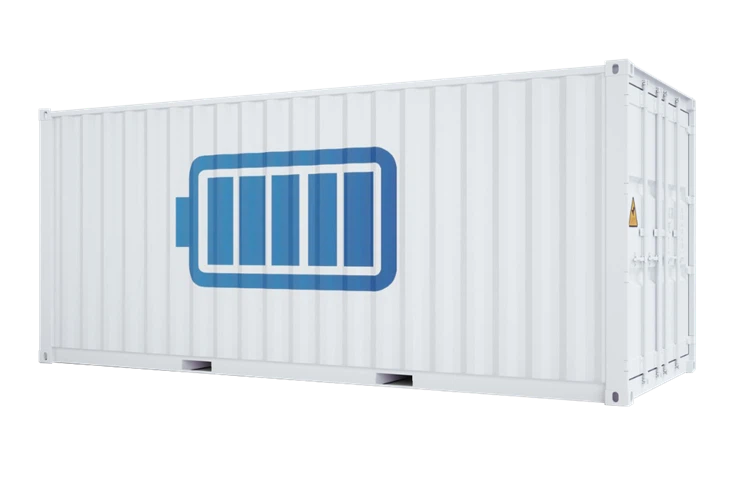
The lithium ion battery ess container is an important component of the ESS setup. It provides a safe and efficient housing for the battery cells, protecting them from environmental factors and ensuring proper operation. The ESS Battery Pack consists of multiple battery cells connected together to provide a specific voltage and capacity. And the ESS Battery System integrates the battery pack, power electronics, and control systems to manage the charging and discharging of the battery.
How Market Demand Influences Production Scale
One of the most significant ways market demand affects ESS battery costs is through economies of scale. When the market demand for ESS batteries is high, manufacturers can increase their production volume. With larger production runs, the cost per unit of production decreases. This is because fixed costs, such as the cost of setting up a manufacturing plant, can be spread over a greater number of units.
For example, if a manufacturer has to spend $1 million on setting up a production line for ESS batteries, and they produce 1000 units, the fixed cost per unit is $1000. However, if they increase production to 10,000 units, the fixed cost per unit drops to $100. This reduction in fixed cost per unit, combined with the potential for better negotiation of raw material prices due to larger orders, can lead to a significant decrease in the overall cost of ESS batteries.
On the other hand, when market demand is low, production volumes are reduced. Manufacturers may not be able to fully utilize their production capacity, leading to higher fixed costs per unit. In addition, they may not be able to negotiate as favorable terms with suppliers for raw materials, further driving up the cost of production.
Impact on Raw Material Prices
Market demand also has a direct impact on the prices of raw materials used in ESS batteries. Lithium, cobalt, and nickel are some of the key raw materials in lithium - ion batteries. When the demand for ESS batteries increases, the demand for these raw materials also rises.
As the demand for raw materials outstrips supply, their prices tend to increase. This is because suppliers have more bargaining power when there is high demand. For instance, if the demand for lithium - ion ESS batteries surges due to the growth of the electric vehicle market and the expansion of renewable energy storage projects, the price of lithium may skyrocket. This increase in raw material prices is then passed on to the cost of ESS batteries.
Conversely, when market demand for ESS batteries is low, the demand for raw materials decreases. Suppliers may have excess inventory, which can lead to a decrease in raw material prices. This, in turn, can result in lower costs for ESS battery production.
Technological Innovation and Market Demand
Market demand can also drive technological innovation in the ESS battery industry. When there is high demand for more efficient, longer - lasting, and cheaper ESS batteries, manufacturers are motivated to invest in research and development.
For example, if the market demands ESS batteries with a higher energy density, manufacturers may invest in developing new battery chemistries or improving existing ones. This can lead to the discovery of more cost - effective ways to produce batteries. As new technologies are developed and commercialized, the cost of ESS batteries can decrease over time.
However, the initial investment in research and development can be substantial. If the market demand is not high enough to support the commercialization of new technologies, manufacturers may be reluctant to invest in R & D. This can slow down the pace of technological innovation and keep the cost of ESS batteries relatively high.
Competition in the Market
The level of competition in the ESS battery market is also influenced by market demand. When market demand is high, more companies are likely to enter the market, increasing competition. This competition can lead to price wars as companies try to gain market share.
For example, if several companies are competing to supply ESS batteries to a large - scale renewable energy project, they may offer lower prices to win the contract. This can drive down the overall cost of ESS batteries in the market.
On the other hand, when market demand is low, there may be less competition as some companies may exit the market. This can lead to a situation where a few companies have more market power, allowing them to set higher prices.

The Role of Government Policies
Government policies can also interact with market demand to affect ESS battery costs. In many countries, governments are promoting the use of renewable energy and energy storage systems through incentives such as subsidies, tax credits, and feed - in tariffs.
These policies can increase the market demand for ESS batteries. For example, a government subsidy for the installation of ESS batteries in residential homes can encourage more consumers to purchase these systems. As the market demand increases, the production scale can expand, leading to cost savings.
However, government policies can also have the opposite effect. If a government suddenly reduces or eliminates subsidies, the market demand for ESS batteries may decline. This can lead to a decrease in production volume and an increase in costs.
Conclusion
In conclusion, market demand has a multi - faceted impact on ESS battery costs. It affects production scale, raw material prices, technological innovation, competition, and government policies. As a supplier of ESS battery costs, understanding these dynamics is crucial for making informed decisions about pricing, production, and investment.
If you are interested in purchasing ESS batteries for your project, whether it's a small - scale residential application or a large - scale industrial installation, I invite you to contact me for a detailed discussion. We can explore the best solutions that meet your specific needs and budget.
References
- Smith, J. (2020). The Economics of Energy Storage Systems. Energy Journal, 41(2), 123 - 145.
- Johnson, A. (2021). Market Trends in ESS Batteries. Renewable Energy Review, 15(3), 234 - 256.
- Brown, C. (2019). Impact of Raw Material Prices on ESS Battery Costs. Battery Technology Magazine, 22(4), 56 - 78.