

Hey there! As a supplier of commercial batteries, I often get asked about the discharge rate of these power - packs. It's a crucial topic, especially for businesses relying on these batteries for various applications. So, let's dig into what the discharge rate of a commercial battery really means.
Understanding the Basics of Discharge Rate
The discharge rate of a battery is basically how fast the battery can release its stored energy. It's usually measured in amperes (A) or as a multiple of the battery's amp - hour (Ah) rating. For instance, if you've got a battery with a 100Ah rating, a discharge rate of 1C means it can discharge at a rate of 100A. A 2C rate would mean it can discharge at 200A, and so on.
In commercial settings, different applications require different discharge rates. A slow - discharge application like a small, continuous - power device might only need a low discharge rate. On the other hand, high - power applications such as electric vehicles or heavy machinery need batteries that can handle high discharge rates.
Factors Affecting Discharge Rate
There are several factors that can influence the discharge rate of a commercial battery.
Battery Chemistry
The type of battery chemistry plays a huge role. Lithium - ion batteries, for example, are known for their high energy density and relatively high discharge rates. They're widely used in commercial applications, from consumer electronics to large - scale energy storage systems. You can check out our Commercial Lithium Ion Battery System for more details on these advanced batteries.
Lead - acid batteries, on the other hand, have a lower energy density and generally lower discharge rates compared to lithium - ion. They're more commonly used in applications where cost is a major factor and high discharge rates aren't critical, like in some backup power systems.
Temperature
Temperature has a significant impact on a battery's discharge rate. In cold temperatures, the chemical reactions inside the battery slow down, which can reduce the battery's ability to deliver a high discharge current. Conversely, in extremely hot temperatures, the battery can degrade faster, and there may be safety risks associated with high - rate discharges. Most commercial batteries are designed to operate within a certain temperature range, and it's important to keep them within that range for optimal performance.
Battery Age and Condition
As a battery ages, its internal resistance increases, which can limit the discharge rate. A new, well - maintained battery will typically be able to handle higher discharge rates than an old or damaged one. Regular maintenance, such as proper charging and storage, can help extend the battery's life and maintain its discharge capabilities.
Discharge Rate in Different Commercial Applications
Energy Storage for Renewable Energy
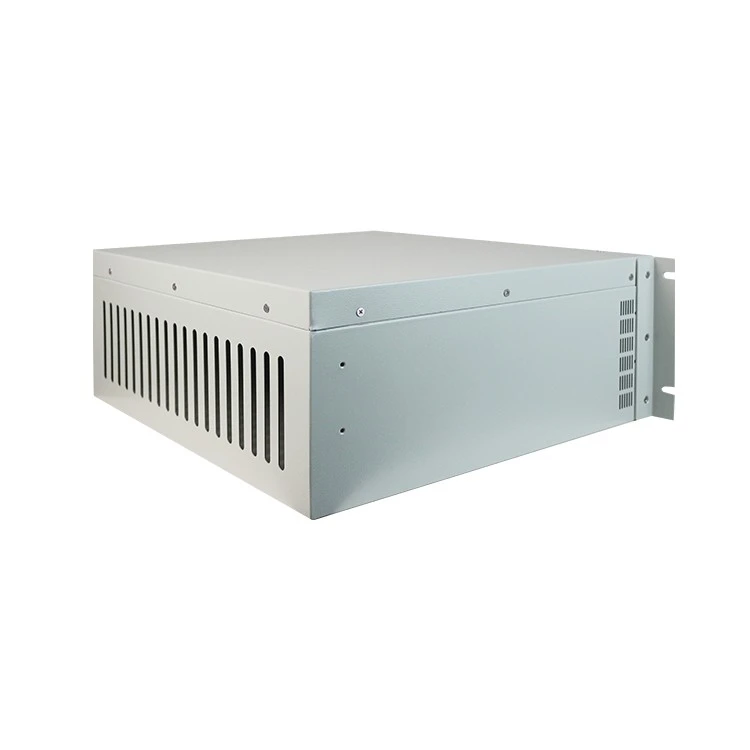
In renewable energy systems like solar or wind power, batteries are used to store excess energy for use when the renewable source isn't producing power. These applications usually require batteries with a moderate discharge rate. The battery needs to be able to discharge steadily over a period of time to supply power to the grid or a local load. Our Commercial Battery Backup Systems are well - suited for these types of applications, providing reliable energy storage and discharge capabilities.

Electric Vehicles
Electric vehicles demand batteries with high discharge rates. When you step on the accelerator, the battery needs to be able to deliver a large amount of power quickly to drive the electric motor. Lithium - ion batteries are the go - to choice for EVs because of their ability to handle high - rate discharges. For example, our 48 Volt 100ah Lithium Battery module is designed to meet the high - power requirements of electric vehicles and other high - performance applications.
Uninterruptible Power Supplies (UPS)
UPS systems are used to provide emergency power in case of a main power failure. They need to be able to switch on quickly and supply power at a high enough rate to keep critical equipment running. The discharge rate of the batteries in a UPS is crucial to ensure that the equipment doesn't experience any downtime. Different UPS systems may require different discharge rates depending on the load they need to support.
Measuring and Specifying Discharge Rate
Battery manufacturers usually specify the discharge rate in their product datasheets. This information is important for customers to determine if the battery is suitable for their application. The datasheet may include the maximum continuous discharge rate, which is the highest rate at which the battery can be discharged continuously without overheating or causing damage. It may also include the peak discharge rate, which is the maximum rate the battery can handle for a short period of time.
When choosing a commercial battery, it's essential to consider both the continuous and peak discharge rates. For applications with a steady load, the continuous discharge rate is the key factor. But for applications with sudden spikes in power demand, the peak discharge rate becomes important.
The Importance of Choosing the Right Discharge Rate
Selecting the right discharge rate for your commercial application is crucial. If you choose a battery with a discharge rate that's too low, the battery may not be able to supply enough power, which can lead to poor performance or even system failure. On the other hand, if you choose a battery with a much higher discharge rate than you need, you'll end up paying more for a battery with capabilities you don't require.
Conclusion
In conclusion, the discharge rate of a commercial battery is a vital characteristic that depends on various factors such as battery chemistry, temperature, and the battery's age and condition. Different commercial applications have different discharge rate requirements, and it's essential to choose the right battery to ensure optimal performance and cost - effectiveness.
If you're in the market for commercial batteries and need help understanding which discharge rate is right for your application, don't hesitate to reach out. We're here to assist you in finding the perfect battery solution for your business needs. Whether it's for energy storage, electric vehicles, or UPS systems, we've got you covered.
References
- Linden, D., & Reddy, T. B. (2002). Handbook of Batteries. McGraw - Hill.
- Newman, J., & Thomas - Alyea, K. E. (2004). Electrochemical Systems. Wiley - Interscience.