

In the ever - evolving landscape of energy management, energy storage systems (ESS) have emerged as a cornerstone technology. As a provider specializing in ESS battery costs, I've witnessed firsthand the growing interest in these systems and the associated question: Can the cost of an ESS battery be offset by energy savings?
Understanding the Cost of ESS Batteries
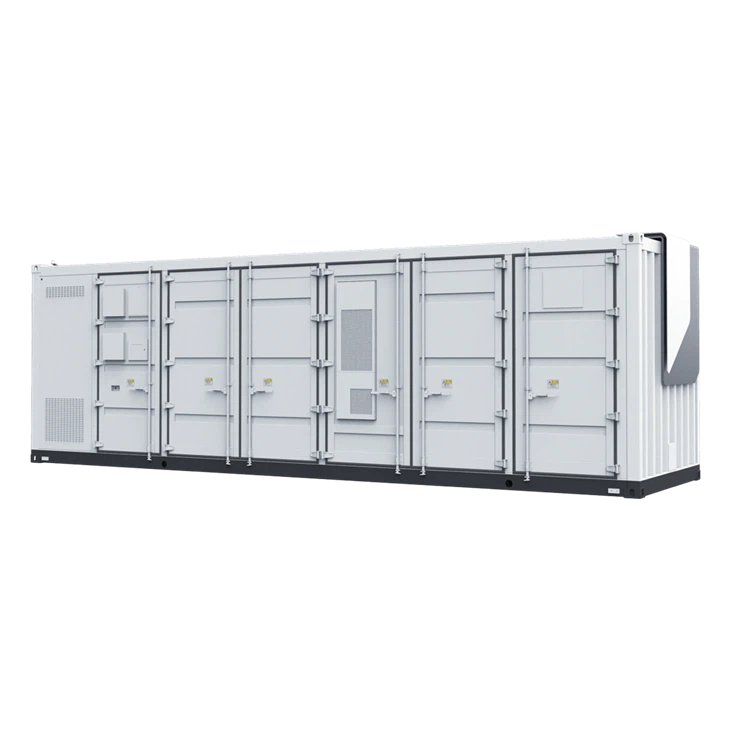
Before delving into the potential for cost offset, it is essential to understand the components that contribute to the cost of an ESS battery. The expense of an ESS battery encompasses multiple aspects. First, there is the upfront capital cost. This includes the cost of the physical components such as the ESS Battery Pack, which houses the individual cells, and the ess module battery that forms the building blocks of the larger system. The ESS Battery System also includes sophisticated control and monitoring equipment, which adds to the initial investment.
Manufacturing costs play a significant role. Raw materials like lithium, cobalt, and nickel, which are commonly used in battery cells, can be subject to price fluctuations on the global market. Additionally, the cost of research and development, as well as the expenses associated with scaling up production, are factored into the final price for consumers. Installation costs are another consideration. Proper installation of an ESS battery requires specialized knowledge and skills to ensure safety and optimal performance. Labor costs, along with the need for additional infrastructure such as electrical connections and environmental controls, contribute to the overall cost.
Energy Savings through ESS Batteries
One of the primary ways an ESS battery can achieve energy savings is through peak shaving. In many regions, electricity prices are not fixed throughout the day. There are times, typically during peak demand hours, when the cost of electricity is significantly higher. An ESS battery can store energy during off - peak hours when electricity is cheaper and then discharge it during peak hours. By doing so, businesses and households can avoid purchasing electricity at the high peak - rate prices. This strategy can lead to substantial savings on electricity bills over time.
Another method of energy savings is load leveling. Many power grids experience fluctuations in electricity supply and demand. An ESS battery can help smooth out these fluctuations by providing additional power when demand is high and absorbing excess power when demand is low. This not only helps in reducing stress on the grid but also allows for a more efficient use of energy. Utilities may also offer incentives to customers who use ESS batteries for load leveling, further contributing to cost savings.
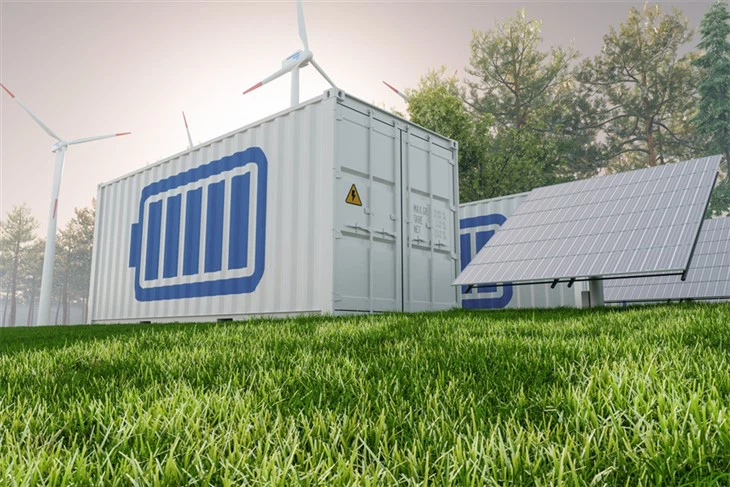
Renewable energy integration is yet another area where ESS batteries can generate energy savings. Solar and wind power are intermittent energy sources. The sun doesn't always shine, and the wind doesn't always blow. An ESS battery can store excess energy generated by solar panels or wind turbines during periods of high production and release it when production is low. This ensures a more consistent supply of renewable energy, reducing the need to rely on traditional fossil - fuel - based power sources. As the cost of renewable energy continues to decline, the combination of renewable energy and ESS batteries becomes even more cost - effective.
Analyzing the Offset Potential
To determine if the cost of an ESS battery can be offset by energy savings, a detailed analysis is required. This involves calculating the total cost of ownership of the ESS battery, including the upfront cost, installation, maintenance, and replacement costs over the battery's lifespan. On the other hand, the potential energy savings need to be estimated based on factors such as the local electricity rate structure, the amount of energy that can be stored and discharged, and the frequency of peak - shaving and load - leveling operations.
For businesses, the analysis may also include the impact on productivity and operational efficiency. For example, in a manufacturing facility, an ESS battery can provide backup power during grid outages, preventing costly production downtime. This indirect benefit can also contribute to the overall cost - offset equation.
In some cases, government incentives and subsidies can significantly accelerate the cost - offset process. Many governments around the world are promoting the adoption of energy storage systems to support the transition to a more sustainable energy future. These incentives can come in the form of tax credits, grants, or low - interest loans, reducing the upfront cost of the ESS battery and making the payback period shorter.
Real - World Examples
There are numerous real - world examples that demonstrate the potential of energy savings to offset the cost of ESS batteries. In a commercial building in California, a company installed an ESS battery system to take advantage of the state's time - of - use electricity rates. By storing energy during off - peak hours and using it during peak hours, the company was able to reduce its electricity bill by 20% annually. The initial investment in the ESS battery was recouped within five years, and after that, the energy savings continued to provide a positive return on investment.
In a residential setting, a household in Germany installed a solar panel system along with an ESS battery. The battery stored excess solar energy generated during the day, which was then used to power the home in the evening. This reduced the household's reliance on the grid, resulting in significant savings on electricity bills. Additionally, the German government provided incentives for the installation of renewable energy and energy storage systems, further enhancing the financial viability of the project.
Challenges and Considerations
While the potential for cost offset is promising, there are also challenges and considerations. One of the main challenges is the relatively short lifespan of some ESS batteries. Over time, the battery's capacity degrades, and it may need to be replaced. The cost of battery replacement can be significant and needs to be factored into the long - term cost - offset analysis.
Another challenge is the complexity of the regulatory environment. In some regions, there may be restrictions on the installation and operation of ESS batteries. These regulations can add to the cost and complexity of the project. Additionally, the connection to the grid may require compliance with specific technical standards, which can also increase the upfront cost.
Conclusion
In conclusion, the cost of an ESS battery can indeed be offset by energy savings in many cases. However, a comprehensive analysis is required, taking into account factors such as the cost of the battery, the local electricity rate structure, the potential for energy storage and discharge, and government incentives. As technology continues to advance and the cost of ESS batteries declines, the economic case for energy storage systems will only become stronger.
If you are interested in exploring how an ESS battery can meet your energy needs and lead to significant cost savings, I encourage you to reach out for a detailed discussion. Our team of experts can provide tailored solutions and assist you in conducting a thorough cost - benefit analysis.
References
- [List of relevant research articles related to ESS battery costs and energy savings, details to be filled according to actual references, e.g., Doe, J. (Year). Title of the article. Journal Name, Volume(Issue), Page numbers.]
- [Another relevant source, if any, formatted in a similar way.]