

Hey there! As a supplier of lithium ion portable batteries, I've seen firsthand how important it is to store these powerhouses properly. Lithium ion batteries are everywhere these days – from our smartphones and laptops to electric vehicles and portable power stations. They're super convenient, but if not stored correctly, they can pose some risks. So, let's dive into the ins and outs of proper lithium ion portable battery storage.
Why Proper Storage Matters
First off, why should you care about storing your lithium ion portable batteries correctly? Well, for starters, it can significantly extend the battery's lifespan. A well - stored battery will last longer and perform better over time. Lithium ion batteries degrade over time, but proper storage can slow down this degradation process.
Secondly, safety is a huge concern. Lithium ion batteries can be volatile if not handled right. Incorrect storage can lead to issues like overheating, swelling, and in extreme cases, even fires or explosions. So, it's not just about getting the most out of your battery; it's also about keeping yourself and your surroundings safe.
Ideal Storage Conditions
Temperature
Temperature plays a crucial role in lithium ion battery storage. The ideal temperature range for storing these batteries is between 20°C and 25°C (68°F and 77°F). At these temperatures, the chemical reactions inside the battery slow down, reducing self - discharge and degradation.
If you store your batteries in a place that's too hot, say above 45°C (113°F), the battery's internal components can start to break down. This can lead to a shorter lifespan and reduced performance. On the other hand, storing batteries in extremely cold conditions, below 0°C (32°F), can also damage them. The electrolyte inside the battery can freeze, which can cause irreversible damage to the battery cells.
Charge Level
The charge level of the battery when you store it is also very important. It's recommended to store lithium ion portable batteries at a charge level of around 40% - 60%. When a battery is fully charged and stored for a long time, it can experience stress, which leads to faster degradation. Similarly, storing a battery completely discharged can also cause damage.
If you're not going to use your battery for an extended period, it's a good idea to charge it to the recommended level before storing. And if you're storing multiple batteries, make sure to check their charge levels periodically.
Humidity
Humidity can also affect lithium ion batteries. High humidity can cause corrosion on the battery terminals, which can lead to poor electrical connections and reduced performance. It's best to store your batteries in a dry environment, with a relative humidity of less than 60%.
Storage Location
Now that we've covered the ideal conditions, let's talk about the best places to store your lithium ion portable batteries.
Indoor Storage
Indoor storage is usually the best option. You can store your batteries in a cool, dry closet or cabinet. Avoid storing them near heat sources like radiators, ovens, or direct sunlight. Also, keep them away from water sources to prevent any accidental spills or exposure to moisture.
If you're storing a large number of batteries, like in a commercial setting, you might want to consider using a battery storage cabinet. These cabinets are designed to provide a stable environment for battery storage and can help prevent any potential safety hazards.
Avoiding Flammable Materials
It's important to keep your lithium ion batteries away from flammable materials. In the unlikely event of a battery malfunction, having flammable materials nearby can increase the risk of a fire. So, don't store your batteries in a garage next to gasoline cans or in a shed with piles of dry leaves.
Storage Containers
Using the right storage container can also make a big difference.
Plastic Containers
Plastic containers are a popular choice for storing lithium ion portable batteries. They're inexpensive, lightweight, and can provide some protection against physical damage. Make sure to choose a container that's large enough to hold the batteries without them being cramped. You can also use dividers in the container to keep the batteries separate and prevent them from touching each other.
Battery Cases
If you're storing individual batteries, battery cases can be a great option. They're designed specifically to hold batteries and can protect them from scratches, dust, and moisture. Some battery cases even have built - in features to prevent short - circuits.
Handling During Storage
Even when you're storing your batteries, there are still some handling tips to keep in mind.
Regular Checks
It's a good idea to check your stored batteries regularly. Look for any signs of damage, like swelling, leaks, or corrosion. If you notice any of these issues, it's best to dispose of the battery properly. You should also check the charge level of the batteries every few months and recharge them if necessary to maintain the recommended 40% - 60% charge level.
Avoiding Physical Damage
Be careful not to drop or damage the batteries while they're in storage. Physical damage can cause internal short - circuits, which can be very dangerous. If you need to move the batteries, handle them gently and make sure they're properly secured in their storage container.
Our Products and Storage
As a supplier of lithium ion portable batteries, we take storage seriously. We offer a range of Portable Lithium Ion Battery System and Portable Lithium Ion Battery Packs that are designed to meet high - quality standards. Our Rack mounted lithium battery packs are also built to be durable and reliable, but proper storage is still essential to get the most out of them.

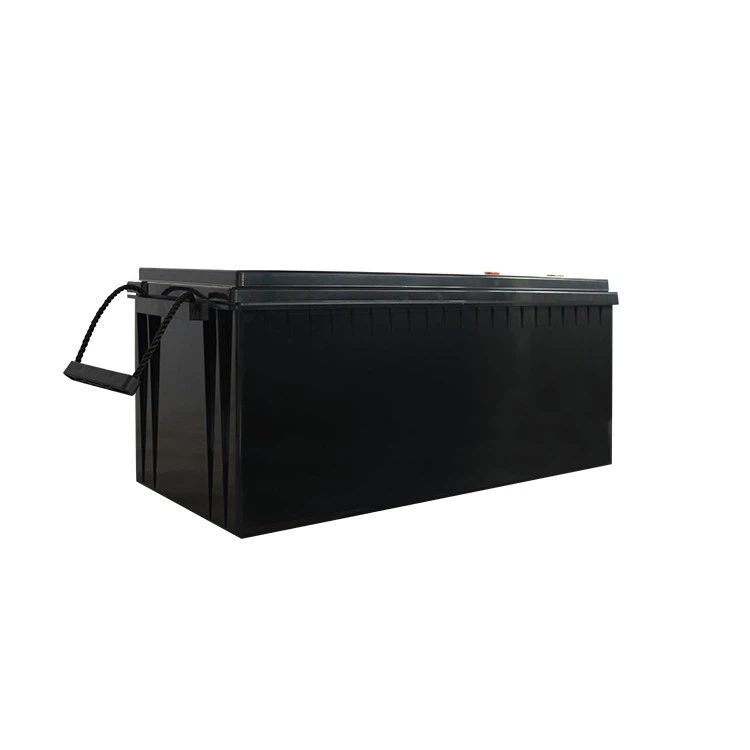
If you're in the market for lithium ion portable batteries, we're here to help. Whether you need batteries for personal use or for a commercial project, we have the right products for you. And we're always happy to provide advice on proper battery storage and maintenance.
Contact Us for Purchase
If you're interested in purchasing our lithium ion portable batteries, we'd love to have a chat with you. We can discuss your specific needs, provide detailed product information, and offer competitive pricing. Don't hesitate to reach out to us for a purchase and let's start a great business partnership.
References
- Battery University: A comprehensive resource on battery technology and storage.
- International Electrotechnical Commission (IEC) standards on lithium ion battery safety and storage.