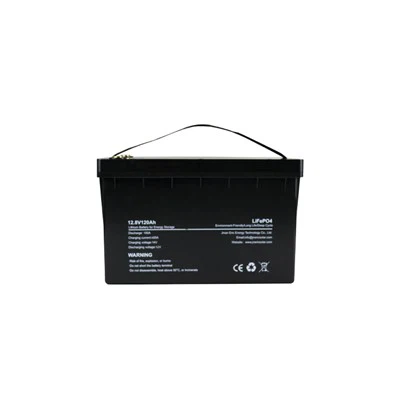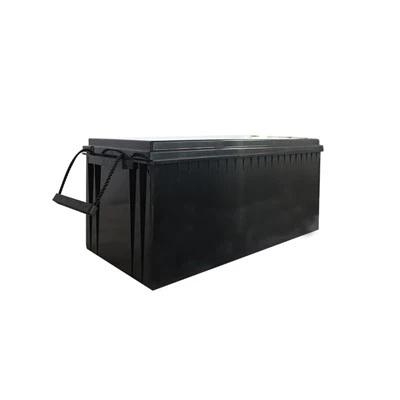
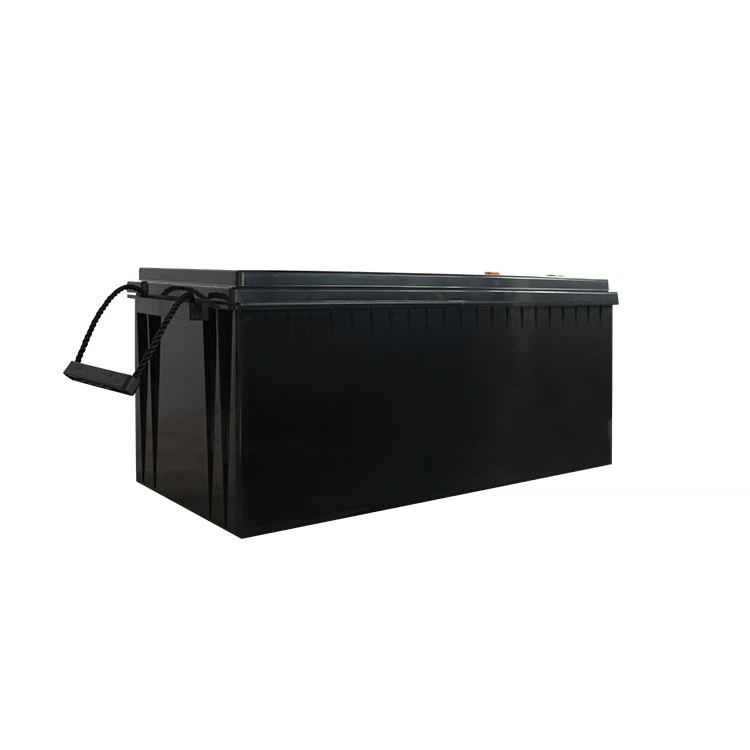


Product Introduction
Rack Mounted Lithium Battery Packs are lithium-ion battery systems designed for standard 19-inch server racks. They feature a modular design for high-density energy storage in limited spaces, ideal for data centers, communication bases, industrial automation, and backup power systems. Integrated with high-performance lithium-ion cells, they offer high energy density and long cycle life. Advanced Battery Management Systems (BMS) ensure safe, efficient operation, real-time monitoring, optimized charging and discharging, and extended overall lifespan.
Parameters of lithium ion battery system
|
Basic Parameters |
Numerical |
|
Nominal Voltage (V) |
12.8 |
|
Nominal Capacity ( AH ) |
200 |
|
Energy Capacity (WH) |
2560 |
|
Usable Capacity (WH) |
2304 |
|
Charge Voltage (V) |
14V |
|
Charge Current (A) |
50A |
|
Max Charge Current (A) |
50A |
|
Charge Cut-off Voltage (V) |
14V |
|
Continuous Current (A) |
50A |
|
Max Pulse Current (A) |
100A |
|
Discharge Cut-off Voltage (V) |
12V |
|
Charge/Discharge Temperature |
0℃-40℃ |
|
Storage Temperature |
-20℃-70℃ |
|
IP Class |
IP65 |
|
Plastic Case |
ABS |
|
Approx Dimension |
532*207*215mm |
|
Approx Weight |
23.5 ± 0.5Kg |
|
Terminal |
M8 |
Intelligent Battery Design
All of our lithium iron phosphate lifepo4 battery are using best A+ Grade prismatic cells to ensure top quality.
The industry leading BMS which make it with high safety, high energy density, long cyclelife, stability and other good characteristics.

1. Battery Monitoring: This system ensures accurate monitoring of battery status, including charge levels, temperature, and health.
2. 20+ Protection Parameters: The BMS includes critical safety features such as overcharge/discharge protection, high/low temperature monitoring, short circuit protection, and auto cell balancing.
3. High Current Resistance: The design is capable of handling high currents, which is crucial for maintaining performance during demanding usage.
4. A+ Grade Prismatic Cells: The use of top-grade prismatic cells ensures the longest lifespan and resistance to high temperatures, making it more durable and efficient.
5. Safety Design: The system is built with robust safety measures, including unparalleled quality control standards and certified cells to meet industry regulations.
Installation Guide of lithium ion portable battery
Preparation
Before installing Rack Mounted Lithium Battery Packs, ensure you have all necessary tools and materials ready, including screwdrivers, wrenches, mounting brackets (if not provided with the battery pack), cables, and connectors. Also, thoroughly read the battery pack's user manual and safety guide to understand all safety regulations and operating procedures. Keep the work area clean and free of debris to prevent accidents during installation.
Inspection and Positioning
Before installation, carefully inspect the battery pack's exterior and connection ports to ensure there is no damage or deformation. Locate the rack position where you plan to install the battery pack, ensuring it meets the battery pack's size and weight requirements. Use mounting brackets (if applicable) to secure the battery pack to the rack, ensuring it is firmly fixed and does not wobble.
Cable Connection
Connect the battery pack's input and output cables correctly according to the user manual. Ensure the cables are tightly connected and use appropriate cable clamps or fixtures to secure them to the rack, preventing movement or damage during operation. If you are using multiple battery packs in parallel or series, ensure correct connections to maintain system stability and safety.
System Check and Startup
After installation, conduct a comprehensive system check to ensure all connections are correct. Use a voltmeter and ammeter to check the battery pack's voltage and current output, ensuring they meet your equipment requirements. Once everything is confirmed to be normal, you can safely start the battery pack and monitor its operating status to ensure it supplies power normally.
Ongoing Maintenance
Although the installation steps are complete, remember to regularly maintain and inspect the battery pack to ensure its long-term stable operation. Check the battery pack's exterior, connection ports, and cables for any signs of damage or wear. Additionally, follow the manufacturer's recommendations for regular charging and discharging of the battery pack to maintain its optimal performance.

FAQs
Q: How do you store battery packs?
Q: Should a power bank be stored fully charged?
Q: Do power banks lose charge when not in use?
Q: How do I know if my lithium battery power pack is bad?
Q: Is it ok to store lithium iron phosphate battery fully charged?
Q: Which is the best way to store a power bank when it is not in use?
Hot Tags: rack mounted lithium battery packs, China rack mounted lithium battery packs manufacturers, suppliers, factory, lithium iron phosphate battery 48v 100ah, lithium battery, lithium ion battery packs, lithium phosphate battery 48v 100ah, ess battery system, rechargeable portable lithium battery