

Hey there! As a supplier of low voltage lithium batteries, I've seen firsthand how various factors can impact the performance of these powerhouses. In this blog, I'll break down the key elements that affect the performance of low voltage lithium batteries, and why it matters for your applications.
1. Temperature
Temperature plays a huge role in how well a low voltage lithium battery performs. Lithium batteries are sensitive to extreme temperatures, both hot and cold.
In high - temperature environments, the chemical reactions inside the battery speed up. This can lead to faster self - discharge, which means the battery loses its charge even when it's not in use. Over time, high temperatures can also cause the battery's electrolyte to break down, reducing its capacity and lifespan. For example, if you leave a low voltage lithium battery in a hot car during summer, you might notice that it doesn't hold a charge as well as it used to.
On the other hand, cold temperatures slow down the chemical reactions in the battery. This results in a decrease in the battery's output voltage and capacity. You might have experienced this when using a battery - powered device in cold weather; the device might shut down earlier than expected because the battery can't deliver enough power.
So, if you're using Low Voltage Lithium Battery in an environment with extreme temperatures, it's crucial to take steps to regulate the temperature. This could involve using thermal management systems or storing the batteries in a temperature - controlled environment.
2. Charging and Discharging Rates
The rate at which you charge and discharge a low voltage lithium battery can significantly affect its performance.
When it comes to charging, fast charging might seem convenient, but it can put a lot of stress on the battery. High - current charging can cause the battery to heat up, which can damage the internal components. Over time, this can lead to a reduced battery capacity and a shorter lifespan. It's generally recommended to charge low voltage lithium batteries at a moderate rate to ensure their long - term health.
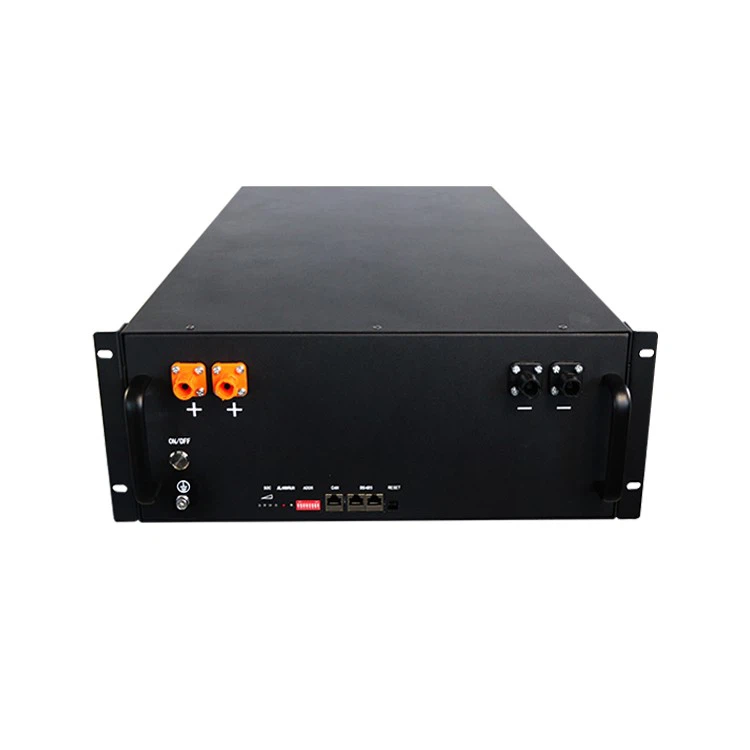

Discharging rates are also important. If you discharge a battery too quickly, it can lead to a phenomenon called voltage sag. This means that the battery's output voltage drops rapidly, and the device might not receive enough power to function properly. Additionally, deep and rapid discharges can cause irreversible damage to the battery's electrodes.
As a supplier, I always advise my customers to follow the recommended charging and discharging rates for Low Voltage Lithium Ion Battery Systems. This will help ensure that the batteries perform optimally and last as long as possible.
3. Battery Chemistry
The chemistry of a low voltage lithium battery is another critical factor. There are different types of lithium - based chemistries, such as lithium - ion (Li - ion), lithium - polymer (Li - Po), and lithium - iron - phosphate (LiFePO4).
Li - ion batteries are the most common type and offer a good balance of energy density, power density, and cost. They're widely used in consumer electronics like smartphones and laptops. However, they can be less stable compared to other chemistries, especially at high temperatures.
Li - Po batteries are known for their flexibility in shape and size. They're often used in applications where space is limited, such as in some wearable devices. But they can be more expensive and have a relatively lower energy density compared to Li - ion batteries.
LiFePO4 batteries are a popular choice for applications that require high safety and long cycle life. They're more stable at high temperatures and can withstand a large number of charge - discharge cycles. However, they have a lower energy density compared to Li - ion batteries.
When choosing a low voltage lithium battery, it's important to consider the specific requirements of your application and select the appropriate battery chemistry. You can find a wide range of industrial lithium ion battery packs with different chemistries on our website.
4. State of Charge (SOC) and Depth of Discharge (DOD)
The state of charge (SOC) and depth of discharge (DOD) of a battery also impact its performance.
SOC refers to the amount of charge remaining in the battery as a percentage of its total capacity. Keeping the battery within a certain SOC range can help extend its lifespan. For example, it's generally recommended to avoid fully charging or fully discharging a lithium battery. High SOC levels can cause the battery to age faster, while deep discharges can lead to irreversible damage to the electrodes.
DOD is the percentage of the battery's capacity that has been discharged. A high DOD means that the battery has been deeply discharged. Repeated deep discharges can reduce the battery's capacity over time. To maintain the performance of your low voltage lithium battery, it's best to keep the DOD relatively low.
5. Storage Conditions
How you store your low voltage lithium batteries can also affect their performance. Batteries should be stored in a cool, dry place. If you're storing them for an extended period, it's recommended to store them at a partial state of charge, typically around 40 - 60%. This helps prevent self - discharge and damage to the battery during storage.
Avoid storing batteries in areas with high humidity, as moisture can cause corrosion of the battery terminals and internal components. Also, make sure to store batteries away from flammable materials, as lithium batteries can be a fire hazard if they're damaged or misused.
6. Battery Management System (BMS)
A Battery Management System (BMS) is an essential component for low voltage lithium batteries. The BMS monitors and controls the charging and discharging processes of the battery. It helps prevent overcharging, over - discharging, and over - current conditions, which can all damage the battery.
A good BMS can also balance the charge among individual cells in a battery pack. This ensures that all cells in the pack are charged and discharged evenly, which helps extend the overall lifespan of the battery pack. Without a proper BMS, the performance and safety of the battery can be severely compromised.
Why These Factors Matter for Your Applications
Understanding these factors is crucial for anyone using low voltage lithium batteries. Whether you're using them in consumer electronics, electric vehicles, or industrial applications, the performance of the battery can directly impact the functionality and reliability of your device.
For example, in an electric vehicle, a battery that performs poorly due to temperature or charging issues can lead to reduced driving range and potentially dangerous situations. In a consumer electronic device, a battery with a short lifespan can be frustrating for the user and lead to frequent replacements.
As a supplier of Low Voltage Lithium Battery, I'm committed to providing high - quality batteries that perform well under various conditions. We take into account all these factors during the manufacturing process to ensure that our batteries meet the highest standards of performance and reliability.
Let's Talk About Your Battery Needs
If you're in the market for low voltage lithium batteries, I'd love to have a chat with you. Whether you're looking for industrial lithium ion battery packs for a large - scale project or Low Voltage Lithium Ion Battery Systems for a specific application, we can find the right solution for you. Reach out to us, and let's discuss how we can meet your battery requirements.
References
- "Lithium - Ion Batteries: Science and Technologies" by Yoshio Nishi, Akihiro Yamada, and Masaki Yoshio
- "Battery Management Systems: Design by Modularization for Electric Vehicles" by Ali Emadi