

In the era of rapid development of renewable energy, energy storage systems (ESS) play a crucial role in ensuring the stability and reliability of power supply. As a professional ess module battery supplier, we are constantly committed to improving the efficiency of ess module batteries to meet the growing market demand. In this blog, I will share some effective ways to enhance the efficiency of ess module batteries based on our experience and industry knowledge.
Understanding the Basics of Ess Module Batteries
Before delving into the methods of improving efficiency, it is essential to have a clear understanding of ess module batteries. An ess module battery is a key component of an energy storage system, which stores electrical energy and releases it when needed. These batteries are usually composed of multiple battery cells connected in series or parallel to achieve the required voltage and capacity. The most common types of ess module batteries include lithium - ion batteries, lead - acid batteries, and flow batteries. Among them, lithium - ion batteries are widely used in ESS due to their high energy density, long cycle life, and low self - discharge rate.
Optimizing Battery Design
One of the fundamental ways to improve the efficiency of ess module batteries is through optimized design. This involves several aspects:
- Cell Selection: Choosing high - quality battery cells is the foundation. High - performance cells have lower internal resistance, which can reduce energy loss during charging and discharging processes. For example, lithium - ion cells with advanced cathode materials such as lithium iron phosphate (LiFePO4) offer better thermal stability and longer cycle life compared to some other lithium - ion chemistries.
- Module Configuration: The way battery cells are connected in a module can significantly affect efficiency. A well - designed module configuration ensures uniform current distribution among cells. Parallel connections can increase the capacity of the module, while series connections can raise the voltage. However, improper configuration may lead to uneven charging and discharging of cells, reducing the overall efficiency of the module.
- Thermal Management Design: Temperature has a great impact on battery performance. Overheating can accelerate battery aging and reduce efficiency, while extremely low temperatures can increase internal resistance. Therefore, an effective thermal management system is necessary. This can include cooling systems such as liquid cooling or air cooling, which help maintain the battery within an optimal temperature range (usually around 20 - 30°C for lithium - ion batteries).
Advanced Battery Management System (BMS)
A sophisticated Battery Management System (BMS) is another critical factor in improving the efficiency of ess module batteries.
- State of Charge (SOC) and State of Health (SOH) Estimation: A BMS can accurately estimate the SOC and SOH of the battery. Precise SOC estimation ensures that the battery is neither over - charged nor over - discharged, which can damage the battery and reduce efficiency. SOH estimation helps in predicting the remaining useful life of the battery, allowing for timely maintenance or replacement.
- Cell Balancing: In a multi - cell battery module, cells may have slight differences in capacity and voltage. The BMS can perform cell balancing to equalize the charge levels of individual cells. This ensures that all cells are operating at their best, improving the overall efficiency and lifespan of the module.
- Fault Detection and Protection: The BMS can detect various faults such as over - current, over - voltage, and short - circuits. Once a fault is detected, it can take immediate protective measures to prevent further damage to the battery, thus maintaining the normal operation and efficiency of the ess module battery.
Charging and Discharging Strategies
Proper charging and discharging strategies can also enhance the efficiency of ess module batteries.
- Optimal Charging Rate: Charging the battery at an appropriate rate is crucial. Fast charging can save time but may generate more heat and cause internal stress in the battery, reducing its efficiency and lifespan. On the other hand, slow charging is more gentle but may not be practical in some applications. Therefore, finding the optimal charging rate based on the battery type and application requirements is necessary.
- Discharging Depth Control: Avoiding deep discharging can improve battery efficiency and lifespan. Most batteries have a recommended depth of discharge (DOD). For example, lithium - ion batteries generally perform better when the DOD is kept below 80%. Limiting the DOD can reduce the stress on the battery and maintain its performance over a longer period.
- Load Matching: Matching the battery discharge profile with the load requirements is important. For example, in a hybrid power system where the load has variable power demands, the ess module battery should be able to adjust its discharge rate accordingly. This can be achieved through intelligent control systems that coordinate the battery and the load.
Maintenance and Monitoring
Regular maintenance and continuous monitoring are essential for ensuring the long - term efficiency of ess module batteries.
- Visual Inspection: Periodic visual inspections can help detect physical damage such as cracks, leaks, or corrosion on the battery module. These issues can affect the performance and safety of the battery, and timely repair or replacement is necessary.
- Performance Testing: Conducting regular performance tests such as capacity tests, internal resistance tests, and charge - discharge efficiency tests can provide valuable information about the battery's condition. Based on the test results, appropriate maintenance measures can be taken.
- Remote Monitoring: With the development of Internet of Things (IoT) technology, remote monitoring of ess module batteries has become more feasible. Remote monitoring systems can collect real - time data on battery parameters such as voltage, current, temperature, and SOC. This data can be analyzed to detect potential problems early and optimize the operation of the battery.
The Role of Energy Storage System Integration
Integrating the ess module battery into a complete energy storage system also has an impact on its efficiency.
- Compatibility with Power Sources and Loads: The ess module battery should be compatible with the power sources (such as solar panels or wind turbines) and loads (such as industrial equipment or residential appliances). This includes matching the voltage, current, and power characteristics. For example, in a solar energy storage system, the battery should be able to efficiently store the energy generated by the solar panels and supply it to the load when needed.
- System - Level Control: A well - designed energy storage system control strategy can optimize the operation of the ess module battery. For example, in a grid - connected energy storage system, the control system can determine when to charge the battery from the grid (usually during off - peak hours when the electricity price is low) and when to discharge it to the grid (during peak hours when the electricity price is high). This can not only improve the economic benefits but also enhance the overall efficiency of the energy storage system.
Conclusion
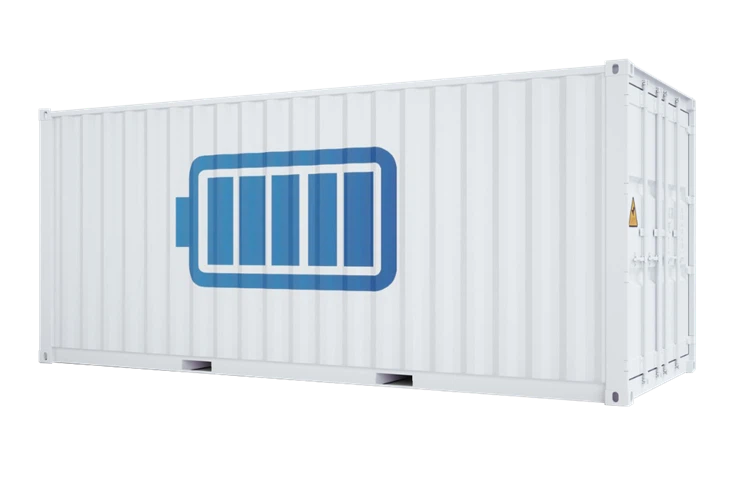
Improving the efficiency of ess module batteries is a comprehensive task that involves multiple aspects from battery design, management, operation, to system integration. As a leading ess module battery supplier, we are dedicated to applying these best practices to our products. Our ESS Battery Pack and lithium ion battery ess container are designed with high - efficiency in mind, using advanced technologies and materials to ensure optimal performance.
If you are interested in our ess module batteries or have any questions about energy storage solutions, we welcome you to contact us for further discussions and procurement negotiations. We are looking forward to collaborating with you to build a more sustainable and efficient energy future.

References
- Kintner - Meyer, M. C. W., & Pratt, R. G. (2012). Energy storage for the electricity grid: benefits and market potential assessment guide. Pacific Northwest National Lab.(PNNL), Richland, WA.
- Tarascon, J. M., & Armand, M. (2001). Issues and challenges facing rechargeable lithium batteries. Nature, 414(6861), 359 - 367.
- Lu, L., Han, X., Li, J., Hua, J., & Ouyang, M. (2013). A review on the key issues for lithium - ion battery management in electric vehicles. Journal of Power Sources, 226, 272 - 288.