

So, you're probably wondering, "How long does a lithium ion battery for solar energy storage last?" Well, I'm here to break it down for you. As a lithium ion battery for solar energy storage supplier, I've seen all sorts of scenarios, and I'm gonna share what I know.
Factors Affecting Lifespan
First off, there are several factors that can influence how long these batteries last. One of the biggies is the depth of discharge (DoD). This refers to how much of the battery's capacity you're using. For example, if you have a battery with a 100Ah capacity and you drain it down to 50Ah, that's a 50% depth of discharge.
In general, the lower the depth of discharge, the longer the battery will last. Lithium ion batteries usually perform best when they're not fully discharged. Most manufacturers recommend keeping the DoD below 80% to maximize the lifespan. If you constantly go for a full 100% discharge, you're going to wear out the battery much quicker.
Another important factor is the charging and discharging rate. If you charge or discharge the battery too quickly, it can cause stress on the battery cells. This stress can lead to a reduction in the battery's overall lifespan. It's like running a marathon at a sprint - you might get to the finish line faster, but you're gonna burn out a lot quicker!
The temperature also plays a huge role. Lithium ion batteries don't like extreme temperatures. If it's too hot, the battery can degrade faster, and if it's too cold, the battery's performance can be severely affected. The ideal temperature range for these batteries is usually between 20°C and 25°C.
Average Lifespan Expectations
On average, a well - maintained lithium ion battery for solar energy storage can last anywhere from 10 to 15 years. However, this is just a ballpark figure, and the actual lifespan can vary depending on the factors we just talked about.
Some high - quality lithium ion batteries can even last up to 20 years if they're used and maintained properly. These batteries are often more expensive upfront, but they can save you money in the long run because you don't have to replace them as often.
Battery Cycles
When we talk about the lifespan of a lithium ion battery, we often refer to the number of charge - discharge cycles. A charge - discharge cycle is one complete charge followed by one complete discharge.
Most lithium ion batteries for solar energy storage are rated for a certain number of cycles. For example, a battery might be rated for 5000 cycles at 80% DoD. This means that if you discharge the battery to 80% of its capacity and then recharge it, you can do this 5000 times before the battery's capacity drops to a certain level (usually around 80% of its original capacity).
It's important to understand that the number of cycles can vary depending on the depth of discharge. If you use a lower DoD, you might get more cycles out of the battery.
Our Products and Lifespan
As a lithium ion battery for solar energy storage supplier, we offer a wide range of products, including lithium ion battery storage packs, Lithium Storage Battery pack, and Lithium Storage Battery Systems.

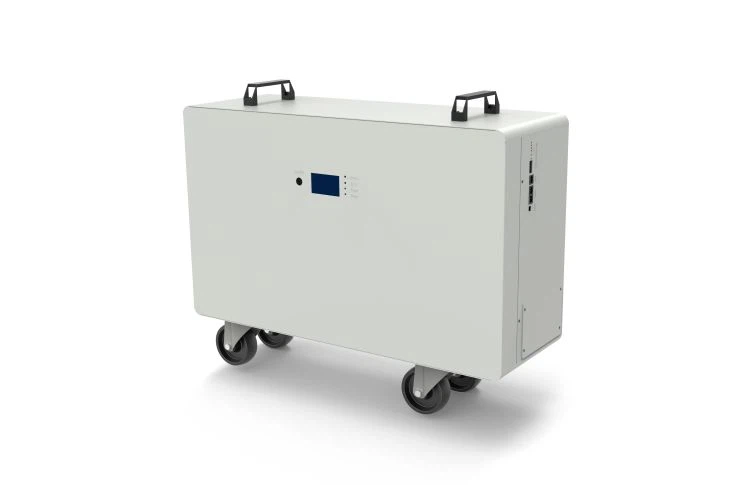
Our batteries are designed with high - quality materials and advanced technology to ensure a long lifespan. We use the latest battery management systems (BMS) to monitor and control the charging and discharging process. This helps to protect the battery from overcharging, over - discharging, and overheating, all of which can reduce the battery's lifespan.
We also offer different battery models with varying capacities and cycle ratings. So, whether you need a small battery for a residential solar system or a large battery for a commercial installation, we've got you covered.
Maintenance Tips
To make sure your lithium ion battery lasts as long as possible, here are some maintenance tips:
- Keep an eye on the temperature: Try to install the battery in a location where the temperature is within the recommended range. If it's too hot, you might need to use a cooling system, and if it's too cold, you might need to use a heating system.
- Follow the charging guidelines: Use a charger that's compatible with your battery and follow the manufacturer's charging instructions. Avoid using cheap or unregulated chargers, as they can damage the battery.
- Regularly check the battery's health: You can use a battery monitoring system to keep track of the battery's state of charge, voltage, and temperature. This can help you detect any potential issues early on.
Why Choose Our Batteries
There are a few reasons why you should consider our lithium ion batteries for your solar energy storage needs. First of all, our batteries are reliable. We've been in the industry for a long time, and we've built a reputation for providing high - quality products.
Secondly, our batteries are cost - effective. While the upfront cost might be a bit higher than some other brands, the long lifespan of our batteries means that you'll save money in the long run. You won't have to replace the battery as often, which can save you a significant amount of money over time.
Finally, we offer excellent customer support. If you have any questions or concerns about our products, our team of experts is always here to help.
Let's Talk
If you're interested in learning more about our lithium ion batteries for solar energy storage or if you're ready to make a purchase, we'd love to hear from you. Contact us today to start a conversation about your specific needs and how our batteries can meet them. We're confident that we can provide you with the perfect solution for your solar energy storage requirements.
References
- Battery University: Understanding Lithium - Ion Batteries
- Solar Power World: Long - Term Performance of Lithium Ion Batteries in Solar Storage
- National Renewable Energy Laboratory: Research on Lithium Ion Battery Lifespan in Solar Applications