

Hey there! I'm a supplier of ESS battery packs, and I know how overwhelming it can be to choose the right one. There are so many factors to consider, from capacity and voltage to safety and cost. But don't worry, I'm here to guide you through the process and help you make an informed decision.
Understanding Your Needs
First things first, you need to figure out what you'll be using the ESS battery pack for. Are you looking to power a small off - grid cabin, or do you need a large - scale solution for a commercial building? The intended use will determine a lot of the key specifications you'll need.
If you're using it for a residential solar energy storage system, you'll want to think about how much energy your household consumes on a daily basis. On average, a typical household in the US uses around 29 kWh per day. So, you'll need a battery pack with enough capacity to store at least a day's worth of energy, preferably more if you want to have a buffer for cloudy days.
For commercial applications, the requirements are usually much higher. A small business might need anywhere from 100 kWh to several MWh of storage, depending on the size of the operation and its energy consumption patterns.
Capacity and Voltage
Let's talk about capacity. Capacity is measured in kilowatt - hours (kWh) and it tells you how much energy the battery pack can store. The higher the capacity, the more energy it can hold. But keep in mind that higher capacity usually means a larger and more expensive battery pack.
When it comes to voltage, it's important to match the battery pack's voltage with your system's requirements. Most residential solar systems use 48V battery packs, while commercial systems can use higher voltages, like 384V or even 768V. Using the wrong voltage can lead to inefficiencies and potential damage to your equipment.
Battery Chemistry
There are several types of battery chemistries available for ESS battery packs, but the most common ones are lithium - ion and lead - acid.
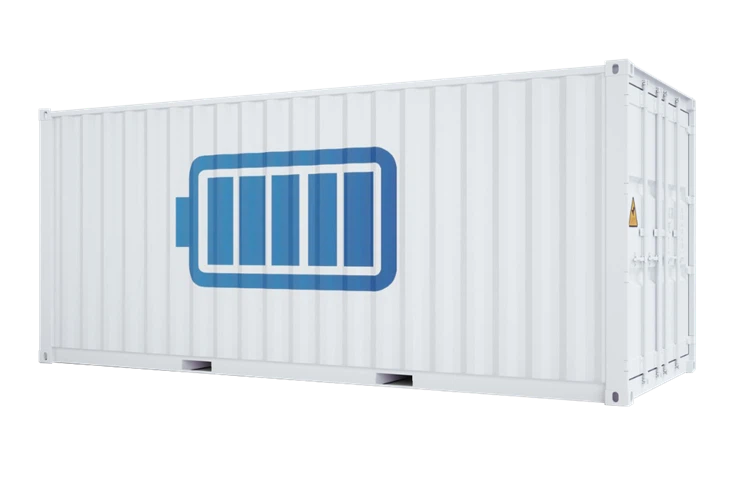
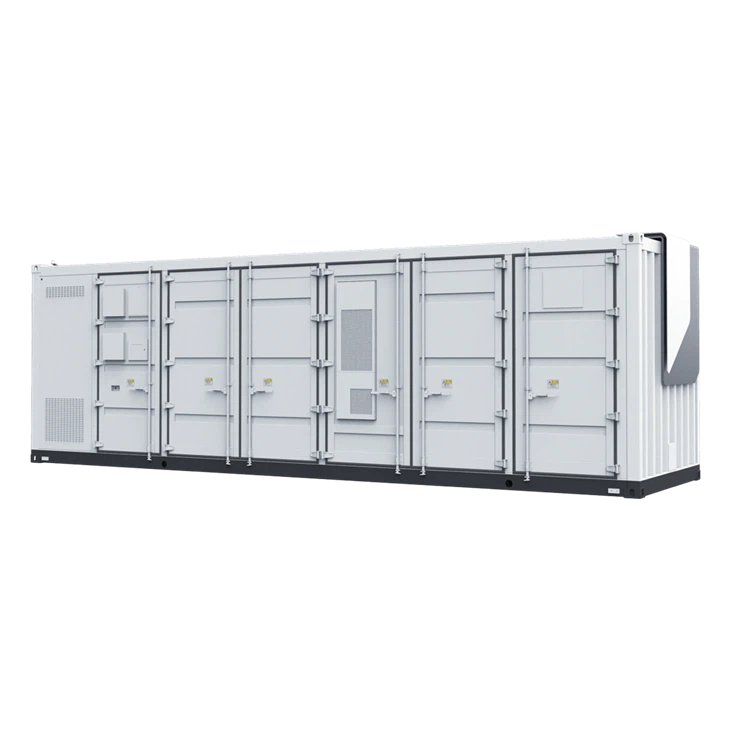
Lithium - ion batteries are the go - to choice for most modern ESS applications. They have a high energy density, which means they can store a lot of energy in a relatively small space. They also have a long cycle life, meaning they can be charged and discharged many times without significant degradation. You can check out our lithium ion battery ess container for more details on lithium - ion solutions.
Lead - acid batteries, on the other hand, are an older technology. They're less expensive upfront, but they have a lower energy density and a shorter cycle life compared to lithium - ion batteries. They also require more maintenance, like regular water topping - up.
Safety
Safety is a top priority when it comes to ESS battery packs. Lithium - ion batteries, in particular, can be prone to thermal runaway if not properly managed. This is a situation where the battery overheats and can potentially catch fire or explode.
That's why it's crucial to choose a battery pack with built - in safety features. Look for packs that have over - charge protection, over - discharge protection, and short - circuit protection. Also, make sure the battery pack has a good thermal management system to keep the temperature in check.
Cost
Cost is always a major factor in any purchasing decision. When comparing ESS battery packs, you need to look at the total cost of ownership, not just the upfront price. This includes the cost of the battery pack itself, installation costs, maintenance costs, and the cost of replacement over the battery's lifetime.
Lithium - ion battery packs are generally more expensive upfront than lead - acid batteries, but they can be more cost - effective in the long run due to their longer cycle life and lower maintenance requirements.
Brand and Reputation
It's important to choose a reputable brand when buying an ESS battery pack. A well - established brand is more likely to have a proven track record of quality and reliability. You can look for customer reviews and industry ratings to get an idea of a brand's reputation.
As a supplier, we've built a reputation for providing high - quality ESS Battery Packs. We stand behind our products and offer excellent customer support.
Compatibility
Your ESS battery pack needs to be compatible with your existing or planned energy system. This includes compatibility with your solar panels, inverters, and charge controllers. Make sure to check the specifications of all your equipment to ensure they'll work together seamlessly.
Warranty
A good warranty is a sign of a quality product. Look for a battery pack that comes with a warranty of at least 5 - 10 years. This will give you peace of mind knowing that you're protected in case something goes wrong with the battery pack.
Scalability
If you think you might need to expand your energy storage system in the future, consider a battery pack that is scalable. Scalable battery packs allow you to add more modules as your energy needs grow, without having to replace the entire system.
Monitoring and Management
Modern ESS battery packs often come with monitoring and management systems. These systems allow you to track the performance of your battery pack, including its state of charge, temperature, and energy usage. They can also help you optimize the charging and discharging cycles to extend the battery's life.
Making the Decision
After considering all these factors, it's time to make a decision. Take your time to compare different battery packs and suppliers. Don't be afraid to ask questions and request quotes.
As a supplier, we're here to help you every step of the way. Whether you need a small residential battery pack or a large - scale commercial solution, we have the expertise and products to meet your needs.
If you're interested in learning more about our ESS Battery System or have any questions about choosing the right ESS battery pack, feel free to reach out. We're ready to discuss your requirements and help you find the perfect solution for your energy storage needs.
References
- International Renewable Energy Agency (IRENA). "Battery Energy Storage for Renewables Integration."
- U.S. Department of Energy. "Energy Storage Technologies and Projects."
- Battery Council International. "Battery Technology Basics."