

Low voltage conditions can have a significant impact on the lifespan of lithium batteries, a topic of utmost importance for users and suppliers alike. As a supplier of Low Voltage Lithium Battery, I have witnessed firsthand the various effects of low voltage on these essential energy storage devices. In this blog, we will delve into the scientific aspects of how low voltage impacts the lifespan of lithium batteries, explore practical implications, and discuss potential solutions.

The Basics of Lithium Batteries and Voltage
Lithium batteries are widely used in a variety of applications, from portable electronics to electric vehicles and renewable energy storage systems. They are favored for their high energy density, long cycle life, and relatively low self - discharge rate. The voltage of a lithium battery is a crucial parameter that reflects its state of charge and health.
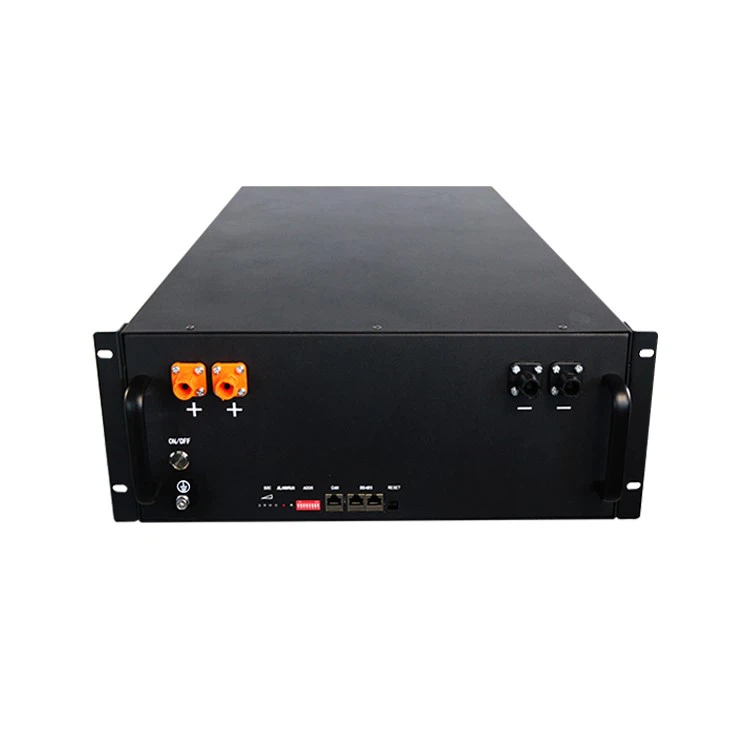
A typical lithium - ion battery has a nominal voltage, which is the average voltage during normal operation. For example, a lithium - ion battery cell usually has a nominal voltage of around 3.7V, while a Lithium Iron Phosphate Battery 48v 100ah is designed to operate at a nominal voltage of 48V. The voltage of a lithium battery changes as it charges and discharges. When charging, the voltage increases, and when discharging, it decreases.
How Low Voltage Affects Lithium Batteries
Chemical Reactions and Electrode Degradation
At low voltages, the chemical reactions inside the lithium battery are altered. Lithium ions move between the anode and the cathode during charge and discharge cycles. When the voltage drops below a certain threshold, the movement of lithium ions becomes less efficient. This can lead to the formation of lithium metal deposits on the anode surface, a phenomenon known as lithium plating.
Lithium plating is a serious issue because it can cause several problems. Firstly, the plated lithium metal can react with the electrolyte, consuming the electrolyte and reducing its effectiveness. Secondly, the lithium metal deposits can grow and form dendrites. These dendrites can penetrate the separator between the anode and the cathode, causing an internal short - circuit. An internal short - circuit can lead to a rapid increase in temperature, potentially resulting in thermal runaway, a dangerous condition where the battery overheats and may even catch fire or explode.
Over time, the repeated formation of lithium plating and the associated chemical reactions can cause significant degradation of the electrodes. The active materials in the electrodes are gradually consumed, reducing the battery's capacity and its ability to store and release energy. This directly impacts the lifespan of the lithium battery, as the battery will no longer be able to provide the same amount of energy as it did when it was new.
Capacity Fade
Low voltage also contributes to capacity fade, which is the gradual loss of a battery's ability to hold a charge over time. When a lithium battery is discharged to a very low voltage, some of the lithium ions may become trapped in the electrode structure and are unable to participate in the normal charge - discharge cycles. This reduces the number of available lithium ions for energy storage, leading to a decrease in the battery's capacity.
In addition, the low - voltage conditions can cause the formation of a solid - electrolyte interphase (SEI) layer on the anode surface. While the SEI layer is necessary for the normal operation of the battery, excessive growth of the SEI layer at low voltages can consume lithium ions and increase the internal resistance of the battery. The increased internal resistance further reduces the battery's efficiency and capacity, accelerating the capacity fade process.
Self - Discharge and Internal Resistance
Low - voltage lithium batteries are more prone to self - discharge. Self - discharge is the process by which a battery loses its charge even when it is not connected to a load. At low voltages, the self - discharge rate can increase significantly, which means that the battery will lose its charge more quickly over time.
Moreover, the internal resistance of a lithium battery increases at low voltages. The increased internal resistance causes more energy to be dissipated as heat during charge and discharge cycles. This not only reduces the battery's efficiency but also generates additional heat, which can further accelerate the degradation of the battery's components. The combination of increased self - discharge and internal resistance shortens the lifespan of the lithium battery.
Practical Implications of Low - Voltage Impact
The impact of low voltage on lithium battery lifespan has several practical implications for users. In portable electronics, such as smartphones and laptops, a battery with a reduced lifespan means that users will need to replace the battery more frequently. This can be costly and inconvenient, especially if the battery is not easily replaceable.
In electric vehicles, a lithium battery with a shortened lifespan can reduce the vehicle's range and performance. The cost of replacing a large - scale lithium battery pack in an electric vehicle is extremely high, and it can also have a significant impact on the overall cost - effectiveness of the vehicle.
For renewable energy storage systems, such as Wall Mounted Lithium Battery pack, the reduced lifespan of the lithium battery can affect the reliability and efficiency of the energy storage system. If the battery fails prematurely, the system may not be able to store and supply energy as needed, which can disrupt the operation of the renewable energy system.
Solutions to Mitigate the Impact of Low Voltage
Battery Management Systems (BMS)
One of the most effective ways to mitigate the impact of low voltage on lithium batteries is to use a battery management system (BMS). A BMS is an electronic system that monitors and controls the charging and discharging of a lithium battery. It can prevent the battery from being discharged to a very low voltage by cutting off the discharge when the voltage reaches a predefined threshold.
The BMS can also balance the cells in a battery pack to ensure that all cells are charged and discharged evenly. This helps to prevent individual cells from experiencing over - discharge or over - charge, which can lead to low - voltage conditions and premature degradation.
Proper Charging and Discharging Practices
Users should follow proper charging and discharging practices to avoid low - voltage conditions. For example, they should avoid fully discharging a lithium battery whenever possible. It is recommended to keep the battery's state of charge between 20% and 80% to maximize its lifespan.
When charging a lithium battery, users should use a charger that is specifically designed for the battery type and voltage. Using an incorrect charger can lead to over - charging or under - charging, both of which can have a negative impact on the battery's lifespan.
Temperature Management
Temperature also plays an important role in the lifespan of lithium batteries. Low - voltage conditions are often exacerbated by extreme temperatures. Therefore, it is important to manage the temperature of the lithium battery. In high - temperature environments, cooling systems can be used to keep the battery at an optimal temperature. In cold environments, heating systems can be employed to prevent the battery from operating at very low temperatures, which can increase the internal resistance and reduce the battery's performance.
Conclusion and Call to Action
In conclusion, low voltage has a profound impact on the lifespan of lithium batteries. The chemical reactions, capacity fade, self - discharge, and increased internal resistance associated with low - voltage conditions all contribute to the premature degradation of the battery. However, by using battery management systems, following proper charging and discharging practices, and managing the temperature, the negative effects of low voltage can be mitigated.
As a supplier of Low Voltage Lithium Battery, we are committed to providing high - quality lithium batteries and solutions to our customers. We understand the importance of battery lifespan and are dedicated to helping our customers optimize the performance and longevity of their lithium batteries.
If you are interested in purchasing our low - voltage lithium batteries or have any questions about how to manage the voltage of your lithium batteries, please feel free to contact us for a detailed discussion. We look forward to working with you to meet your energy storage needs.
References
- Arora, P., Zhang, Z., & White, R. E. (1999). Kinetics of lithium - plating and stripping on graphite anodes. Journal of the Electrochemical Society, 146(8), 2860 - 2867.
- Xu, K. (2004). Nonaqueous liquid electrolytes for lithium - based rechargeable batteries. Chemical Reviews, 104(10), 4303 - 4417.
- Yang, X. - Q., Leng, Y., Zhang, J. - G., & Amine, K. (2017). Challenges in lithium battery safety: A review. Journal of Energy Chemistry, 26(2), 193 - 206.