

Hey there! As a supplier of China's ESS (Energy Storage System) batteries, I've seen firsthand how temperature can have a major impact on these powerhouses. Let's dig into how temperature affects China ESS batteries and why it matters to you.
Temperature Basics for ESS Batteries
First off, it's important to understand that batteries are like living things in a way - they have an optimal "comfort zone" when it comes to temperature. For most ESS batteries, this sweet spot is usually between 20°C and 25°C. When the temperature strays from this range, things can start to get a little dicey.
The Impact of High Temperatures
1. Accelerated Aging
High temperatures are like a fast - forward button for battery aging. When the mercury rises, the chemical reactions inside the lithium ion battery ess container speed up. This might sound like a good thing at first, but it actually causes the battery components to break down more quickly. The electrodes can degrade, and the electrolyte can start to evaporate or react with other substances in the battery. Over time, this leads to a significant reduction in the battery's capacity. So, if you're expecting your ESS battery to last for a long time, high temperatures are definitely not your friend.
2. Safety Risks
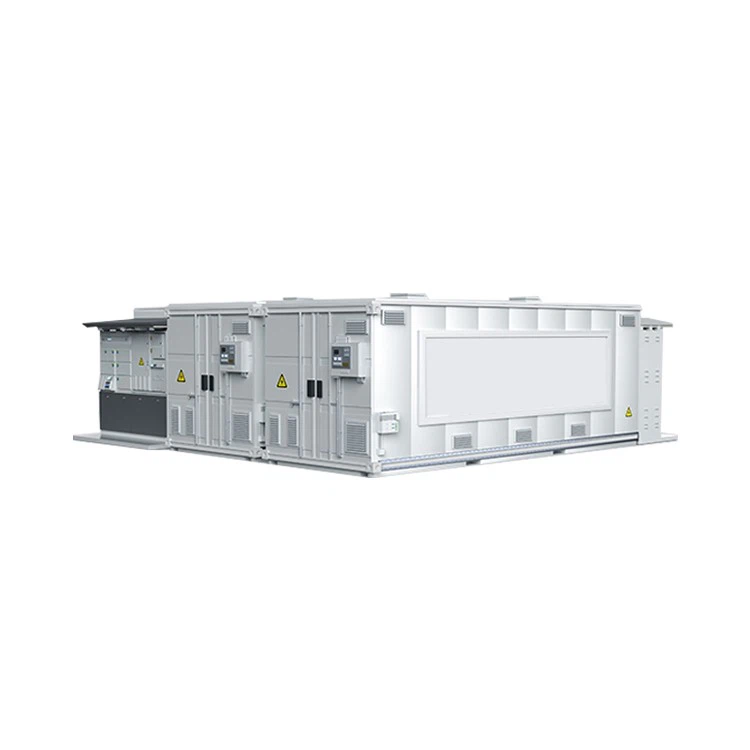
Another big concern with high temperatures is safety. Batteries can overheat, which increases the risk of thermal runaway. Thermal runaway is a chain reaction where the heat generated by the battery causes more heat, leading to a rapid increase in temperature. In extreme cases, this can result in fires or explosions. This is a huge deal, especially when you're dealing with large - scale ESS Battery System installations. We've all seen the news stories about battery fires, and it's not something anyone wants to experience.

3. Reduced Efficiency
High temperatures also take a toll on battery efficiency. As the battery works harder to deal with the heat, it loses more energy in the form of heat. This means that less of the stored energy can be used effectively. So, you're not getting the most bang for your buck when it comes to energy storage. It's like filling up your gas tank, but a lot of the gas leaks out before you can use it.
The Impact of Low Temperatures
1. Decreased Capacity
Just as high temperatures can be bad, low temperatures are also a challenge. When it gets cold, the chemical reactions inside the battery slow down. This means that the battery isn't able to deliver as much power as it can at normal temperatures. For example, an ess module battery that can provide a certain amount of energy at 20°C might only be able to provide a fraction of that energy at - 10°C. This can be a real problem, especially in regions with cold winters, where you might need your ESS battery to keep your lights on and your heaters running.
2. Increased Internal Resistance
Low temperatures also increase the internal resistance of the battery. This means that it's harder for the battery to release its stored energy. You can think of it like trying to push water through a narrow pipe. The more resistance there is, the more energy is wasted in the process. As a result, the battery's performance drops, and it might not be able to charge or discharge as quickly as it should.
3. Potential for Damage
In extremely cold conditions, there's also a risk of physical damage to the battery. The electrolyte inside the battery can freeze, which can cause the battery casing to crack or break. Once the battery is damaged, it's not going to work properly, and you'll likely need to replace it.
Temperature Management Solutions
So, what can we do to deal with these temperature issues? Well, there are a few strategies.
1. Thermal Management Systems
One of the most common solutions is to use thermal management systems. These systems can help regulate the temperature inside the battery container. For example, they can use cooling systems to keep the battery cool in hot weather or heating systems to warm it up in cold weather. There are different types of thermal management systems, including air - cooled and liquid - cooled systems. Each has its own advantages and disadvantages, but the goal is the same: to keep the battery within its optimal temperature range.
2. Location and Installation
Another important factor is where you install your ESS battery. Choosing a location that's protected from extreme temperatures can make a big difference. For example, you might want to install the battery in a shaded area or in a building with climate control. This can help reduce the impact of external temperature changes on the battery.
3. Battery Design
Battery manufacturers are also constantly working on improving battery design to make them more resistant to temperature changes. For example, they might use materials that can better withstand high or low temperatures or design the battery in a way that helps with heat dissipation.
Why Temperature Matters for You
As a customer, understanding how temperature affects ESS batteries is crucial. If you're planning to invest in an ESS battery system, you need to consider the temperature conditions in your area. You want to make sure that the battery you choose can handle the temperatures you'll be facing. Otherwise, you might end up with a battery that doesn't last as long, doesn't perform as well, or even poses a safety risk.
At our company, we take temperature management very seriously. We offer a range of ESS batteries that are designed to perform well in different temperature conditions. Our lithium ion battery ess container and ESS Battery System come with advanced thermal management features to ensure that your battery stays in top shape, no matter what the weather is like.
If you're in the market for an ESS battery, we'd love to talk to you. Whether you're a small business looking to store energy or a large - scale utility company, we have the solutions to meet your needs. Don't let temperature issues hold you back from getting the most out of your energy storage system. Contact us today to start a conversation about how our ESS batteries can work for you.
References
- "Battery Management Systems: Design by Modeling and Identification" by Ali Emadi
- "Lithium - Ion Batteries: Science and Technologies" by Yoshio Nishi, Ralph J. Brodd, and Akiya Kozawa