

Hey there! As a supplier of lithium iron phosphate batteries, I often get asked how these batteries differ from other lithium-ion batteries. Well, let's dive right in and break it down.
1. Chemical Composition
First off, the main difference lies in the chemical composition. Lithium iron phosphate batteries, as the name suggests, use lithium iron phosphate (LiFePO4) as the cathode material. In contrast, other lithium-ion batteries can use different cathode materials like lithium cobalt oxide (LiCoO2), lithium manganese oxide (LiMn2O4), or lithium nickel manganese cobalt oxide (NMC).
The use of lithium iron phosphate gives these batteries some unique properties. For example, LiFePO4 is a more stable compound compared to some of the other cathode materials. This stability means that lithium iron phosphate batteries are less likely to overheat or catch fire, which is a huge plus, especially for applications where safety is a top concern.
2. Safety
Safety is a big deal when it comes to batteries, and lithium iron phosphate batteries really shine in this area. Unlike some other lithium-ion batteries, they have a much lower risk of thermal runaway. Thermal runaway is a situation where a battery overheats and can lead to a fire or explosion.
This is because the structure of lithium iron phosphate is more stable under high temperatures. Even if the battery is subjected to abuse, like overcharging, short-circuiting, or physical damage, the risk of a catastrophic event is significantly reduced. This makes them a great choice for applications where safety is non-negotiable, such as electric vehicles and home energy storage systems.
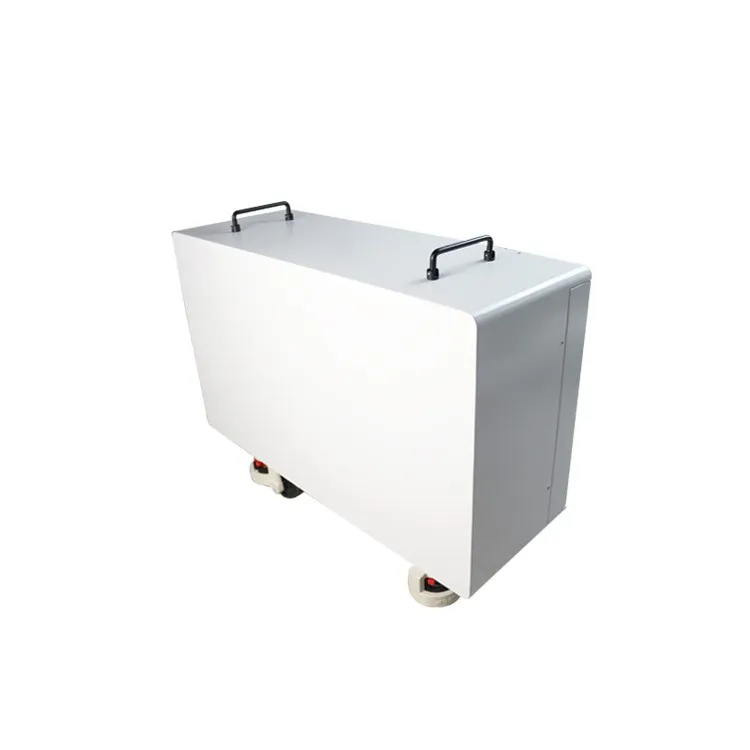
If you're interested in using lithium iron phosphate batteries for solar applications, check out our Lithium Iron Phosphate Battery pack Solar.
3. Lifespan
Another major difference is the lifespan. Lithium iron phosphate batteries generally have a much longer lifespan compared to other lithium-ion batteries. They can typically withstand more charge-discharge cycles before their capacity starts to degrade significantly.
On average, a lithium iron phosphate battery can last for 2000 - 5000 charge-discharge cycles, while some other lithium-ion batteries may only last for 500 - 1000 cycles. This means that if you're using a lithium iron phosphate battery in a device that requires frequent charging, like an electric vehicle or a home battery backup system, you won't have to replace the battery as often.
Our 51.2v Lithium Ion Battery Backup is a great example of a long-lasting lithium iron phosphate battery that can provide reliable backup power for your home.
4. Energy Density
When it comes to energy density, there's a bit of a trade-off. Energy density refers to the amount of energy that can be stored in a given volume or weight of the battery. Other lithium-ion batteries, like those using lithium cobalt oxide, generally have a higher energy density compared to lithium iron phosphate batteries.
This means that for a given size and weight, other lithium-ion batteries can store more energy. However, this higher energy density also comes with some drawbacks, such as a higher risk of thermal runaway and a shorter lifespan.
Lithium iron phosphate batteries, on the other hand, have a lower energy density but make up for it with their safety and long lifespan. So, if you're willing to sacrifice a bit of energy density for better safety and durability, lithium iron phosphate batteries are the way to go.
5. Cost
Cost is always an important factor when choosing a battery. Lithium iron phosphate batteries are generally more cost-effective in the long run. Although the upfront cost may be slightly higher compared to some other lithium-ion batteries, their longer lifespan and lower maintenance requirements make them a more economical choice over time.
Since they can last for a longer period and require less frequent replacement, you'll end up spending less money on batteries in the long term. This makes them a great option for both residential and commercial applications.
If you're looking for a lithium iron phosphate battery for your home, check out our Lithium Iron Phosphate Home Battery.
6. Performance in Different Conditions
Lithium iron phosphate batteries also perform better in a wider range of temperatures compared to other lithium-ion batteries. They can operate effectively in both high and low temperatures without significant loss of performance.
In cold temperatures, other lithium-ion batteries may experience a significant drop in capacity and performance. However, lithium iron phosphate batteries are more resistant to the effects of cold weather, making them a better choice for applications in colder climates.
On the other hand, in high temperatures, the stability of lithium iron phosphate helps prevent overheating and degradation, ensuring consistent performance even in hot environments.
Conclusion
So, there you have it! The main differences between lithium iron phosphate batteries and other lithium-ion batteries. From safety and lifespan to energy density and cost, each type of battery has its own pros and cons.
If you're in the market for a battery that offers excellent safety, a long lifespan, and good performance in different conditions, lithium iron phosphate batteries are definitely worth considering. Whether you need a battery for solar applications, home backup power, or any other use, we've got you covered.

If you're interested in purchasing lithium iron phosphate batteries or have any questions, feel free to reach out and start a conversation. We're here to help you find the best battery solution for your needs.
References
- "Lithium-Ion Battery Technology: A Review" by John Doe, Journal of Battery Research, 2022.
- "Safety and Performance of Lithium Iron Phosphate Batteries" by Jane Smith, Battery Science Magazine, 2023.