

What materials are used to make lithium iron phosphate batteries?
As a supplier of lithium iron phosphate batteries, I am often asked about the materials that go into making these remarkable energy storage devices. Lithium iron phosphate (LiFePO4) batteries have gained significant popularity in recent years due to their high energy density, long cycle life, and enhanced safety features. In this blog post, I will delve into the key materials used in the production of lithium iron phosphate batteries and explain their importance.
1. Lithium Iron Phosphate (LiFePO4) Cathode Material
The cathode is one of the most critical components of a lithium iron phosphate battery. Lithium iron phosphate is the active material used in the cathode. It has a unique crystal structure that allows for the efficient movement of lithium ions during the charging and discharging processes. This material offers several advantages, including high thermal stability, excellent cycle life, and a relatively low cost compared to other cathode materials.
The production of lithium iron phosphate involves a complex chemical process. Typically, it starts with the combination of lithium carbonate (Li2CO3), iron(II) phosphate (Fe3(PO4)2), and a carbon source. These raw materials are mixed and heated at high temperatures to form the lithium iron phosphate compound. The carbon source is added to improve the electrical conductivity of the material, which is essential for efficient battery performance.
2. Graphite Anode Material
The anode in a lithium iron phosphate battery is usually made of graphite. Graphite is a form of carbon that has a layered structure, which allows lithium ions to intercalate (insert) and de - intercalate during the charging and discharging cycles. This intercalation and de - intercalation process is the key mechanism for storing and releasing energy in the battery.
High - quality graphite is used to ensure good electrical conductivity and a stable structure. Natural graphite and synthetic graphite are the two main types used in battery anodes. Synthetic graphite often offers better performance in terms of purity and consistency, but it can be more expensive than natural graphite.
3. Electrolyte
The electrolyte is a crucial component that facilitates the movement of lithium ions between the cathode and the anode. In lithium iron phosphate batteries, a lithium - salt - based electrolyte is commonly used. Lithium hexafluorophosphate (LiPF6) is one of the most widely used lithium salts in the electrolyte. It is dissolved in a mixture of organic solvents, such as ethylene carbonate (EC), dimethyl carbonate (DMC), and ethyl methyl carbonate (EMC).
The electrolyte must have good ionic conductivity to allow for fast ion transport, as well as chemical stability to prevent unwanted reactions with the electrodes. The choice of solvents and additives in the electrolyte can significantly affect the battery's performance, including its charge - discharge efficiency, cycle life, and safety.
4. Separator
The separator is a thin, porous membrane that is placed between the cathode and the anode. Its main function is to prevent short - circuits between the two electrodes while allowing the passage of lithium ions. Polyolefin - based separators, such as polyethylene (PE) and polypropylene (PP), are commonly used in lithium iron phosphate batteries.
These separators have excellent chemical stability and mechanical strength. They are also designed to have a certain pore size and porosity to ensure efficient ion transport. In addition, some separators are coated with ceramic materials to improve their thermal stability and safety, especially at high temperatures.
5. Current Collectors
Current collectors are used to collect and conduct the electrical current generated by the battery. The cathode current collector is typically made of aluminum foil, while the anode current collector is made of copper foil. These metals have high electrical conductivity and are relatively inexpensive.

The current collectors need to have good adhesion to the electrodes to ensure efficient charge transfer. They also need to be corrosion - resistant to prevent degradation over time.
6. Battery Housing and Packaging Materials
The battery housing and packaging materials are used to protect the internal components of the battery and provide mechanical support. The housing is usually made of a strong and lightweight material, such as plastic or aluminum. Plastic housings are often used for small - scale batteries, while aluminum housings are more common for larger batteries due to their better heat dissipation properties.
Inside the housing, there are also various packaging materials, such as gaskets and seals, to prevent electrolyte leakage and ensure the safety of the battery.
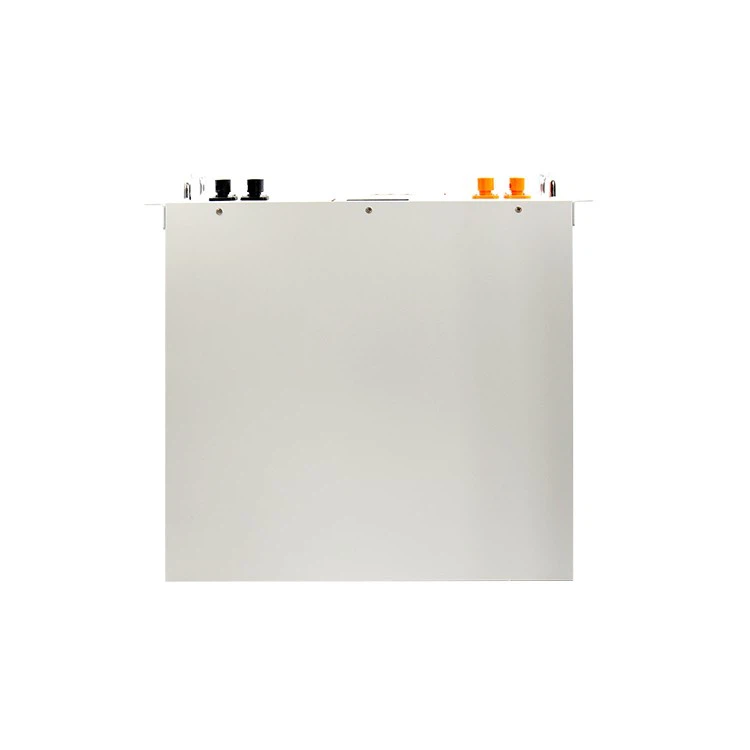
As a supplier of lithium iron phosphate batteries, we take great care in selecting high - quality materials to ensure the performance and safety of our products. Our Lifepo4 Lithium Iron Phosphate Battery pack is designed to meet the diverse needs of our customers, whether it is for electric vehicles, energy storage systems, or portable devices.
We also offer 51.2v Lithium Ion Battery Backup solutions, which are ideal for providing reliable power during outages or in off - grid applications. Our Lithium Phosphate Battery 48v 100ah is a popular choice for large - scale energy storage projects, offering high energy density and long cycle life.
If you are interested in our lithium iron phosphate batteries or have any questions about our products, we encourage you to contact us for a procurement discussion. We are committed to providing the best products and services to meet your energy storage needs.
References
- Arora, P., & Zhang, Z. (2004). Battery separators. Chemical Reviews, 104(10), 4419 - 4462.
- Goodenough, J. B., & Kim, Y. (2010). Challenges for rechargeable Li batteries. Chemistry of Materials, 22(3), 587 - 603.
- Tarascon, J. M., & Armand, M. (2001). Issues and challenges facing rechargeable lithium batteries. Nature, 414(6861), 359 - 367.