

When considering the deployment of an Energy Storage System (ESS) battery pack, one of the critical questions that often arises is whether it can be used in a high-altitude area. As a supplier of ESS battery packs, I've encountered this query numerous times from clients looking to install energy storage solutions in mountainous regions, high plateaus, or other elevated terrains. In this blog post, I'll delve into the technical aspects, challenges, and considerations related to using ESS battery packs in high-altitude areas.
Technical Fundamentals of ESS Battery Packs
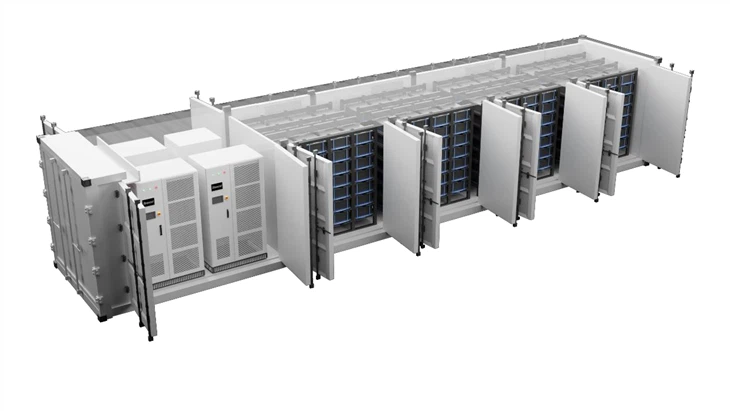
Before we discuss high-altitude usage, let's briefly understand the basic components of an ESS battery pack. An ESS Battery System typically consists of multiple ess module battery connected in series and parallel configurations to achieve the desired voltage and capacity. These modules are often housed in a lithium ion battery ess container for protection and ease of installation.
The most common type of battery used in ESS applications is the lithium-ion battery due to its high energy density, long cycle life, and relatively low self-discharge rate. Lithium-ion batteries operate based on the movement of lithium ions between the positive and negative electrodes during charging and discharging processes.
Challenges of Using ESS Battery Packs in High-Altitude Areas
Temperature Variations
High-altitude areas are characterized by significant temperature variations, with cold nights and potentially warm days. Lithium-ion batteries are sensitive to temperature, and extreme cold can reduce their performance and capacity. At low temperatures, the chemical reactions within the battery slow down, leading to a decrease in the battery's ability to deliver power. On the other hand, high temperatures can accelerate the aging process of the battery and increase the risk of thermal runaway.
To mitigate these temperature-related challenges, our ESS battery packs are equipped with advanced thermal management systems. These systems use heaters to warm the battery during cold periods and cooling mechanisms such as fans or liquid cooling to dissipate heat during high-temperature conditions.
Low Air Pressure
As altitude increases, the air pressure decreases. Low air pressure can have several effects on ESS battery packs. Firstly, it can affect the performance of cooling fans and other ventilation systems. In a low-pressure environment, the air density is lower, which means that fans may not be able to move as much air as they do at sea level. This can lead to reduced heat dissipation and potentially higher operating temperatures for the battery.
Secondly, low air pressure can also affect the sealing of the battery container. If the container is not properly sealed, it can allow moisture and dust to enter, which can damage the battery cells over time. Our lithium ion battery ess container is designed with high-quality seals and gaskets to prevent the ingress of moisture and dust, even in low-pressure environments.
UV Radiation
High-altitude areas are often exposed to higher levels of ultraviolet (UV) radiation due to the thinner atmosphere. UV radiation can cause degradation of the battery's external components, such as the outer casing and wiring insulation. This can lead to reduced mechanical strength and electrical insulation properties, increasing the risk of short circuits and other electrical failures.
To protect against UV radiation, our ESS battery packs are coated with UV-resistant materials. These coatings provide a protective barrier that helps to prevent the degradation of the external components and extends the lifespan of the battery pack.
Electrical Insulation
The low air density at high altitudes can also affect the electrical insulation properties of the ESS battery pack. In a low-pressure environment, the breakdown voltage of air is lower, which means that there is a higher risk of electrical arcing between conductive parts. This can cause damage to the battery cells and other electrical components.
To ensure proper electrical insulation, our ESS battery packs are designed with enhanced insulation materials and increased clearances between conductive parts. These design features help to prevent electrical arcing and ensure the safe and reliable operation of the battery pack at high altitudes.
Considerations for High-Altitude Deployments
Site Selection
When planning to deploy an ESS battery pack in a high-altitude area, careful site selection is crucial. The site should be located in an area that is protected from strong winds, extreme temperature variations, and direct sunlight as much as possible. It should also have good drainage to prevent waterlogging, which can damage the battery pack.
Installation and Maintenance
Proper installation and maintenance are essential for the long-term performance and reliability of an ESS battery pack in a high-altitude area. During installation, it is important to follow the manufacturer's guidelines carefully to ensure that the battery pack is installed correctly and securely. Regular maintenance should also be carried out to check for any signs of damage, wear, or malfunction.
System Sizing
The sizing of the ESS battery pack should be carefully considered based on the specific requirements of the application and the environmental conditions of the high-altitude area. Factors such as the load demand, discharge rate, and expected temperature variations should be taken into account to ensure that the battery pack can provide sufficient power and energy storage capacity.
Conclusion
In conclusion, while using an ESS battery pack in a high-altitude area presents several challenges, with proper design, engineering, and installation, it is definitely possible. Our company, as a professional supplier of ESS battery packs, has extensive experience in developing and deploying energy storage solutions in various harsh environments, including high-altitude areas.
We are committed to providing our customers with high-quality, reliable, and efficient ESS battery packs that can meet the specific requirements of their projects. If you are considering a high-altitude ESS deployment or have any questions about our products and services, please feel free to contact us for a consultation and to discuss the potential for a procurement collaboration. We look forward to working with you to achieve your energy storage goals.

References
- Smith, J. (2020). Energy Storage Systems: Principles and Applications. Publisher A.
- Johnson, R. (2019). Lithium-Ion Batteries: Technology and Future Prospects. Publisher B.
- International Electrotechnical Commission (IEC). (2018). Standards for Energy Storage Systems. IEC Publications.