

Can a lithium iron phosphate battery backup be used for home appliances? That's a question I get asked a lot as a supplier of lithium iron phosphate battery backups. In this blog, I'll share my insights on whether these batteries are a good fit for powering your home appliances.
First off, let's talk a bit about lithium iron phosphate (LiFePO4) batteries. They're a type of rechargeable battery that has gained a lot of popularity in recent years, especially in the renewable energy and backup power sectors. One of the main reasons for their popularity is their safety. Unlike some other lithium - ion batteries, LiFePO4 batteries are much less prone to overheating and catching fire, which is a huge plus when it comes to using them in a home environment.
Another great thing about LiFePO4 batteries is their long lifespan. They can typically handle a large number of charge - discharge cycles, often up to 2000 - 5000 cycles depending on the quality and usage conditions. This means you won't have to replace them as often as some other types of batteries, which can save you money in the long run.
Now, let's get to the main question: can they be used for home appliances? The short answer is yes, they can. But there are a few things you need to consider.

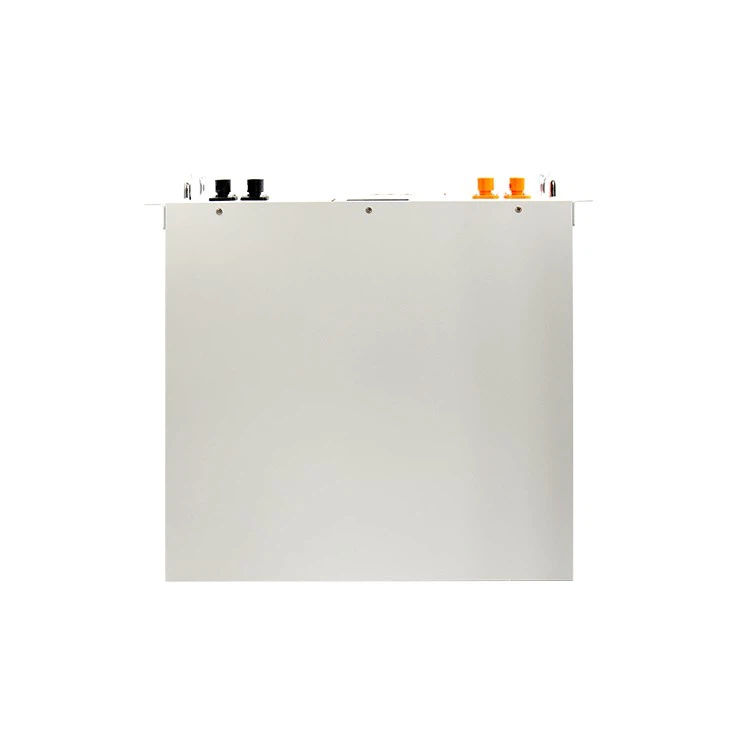
Compatibility with Home Appliances
Most home appliances operate on alternating current (AC), while LiFePO4 batteries store direct current (DC). So, you'll need an inverter to convert the DC power from the battery into AC power that your appliances can use. There are plenty of inverters on the market that are designed to work well with LiFePO4 batteries. Just make sure to choose an inverter with the right power rating for your needs.
For example, if you want to power small appliances like LED lights, a laptop, or a small fan, a relatively low - power inverter might be sufficient. But if you're planning to run larger appliances such as a refrigerator, a washing machine, or an air conditioner, you'll need a more powerful inverter.
Power Capacity
The power capacity of your lithium iron phosphate battery backup is crucial. It's usually measured in amp - hours (Ah) and voltage (V). For instance, the Lithium Phosphate Battery 48v 100ah is a popular option. You need to calculate the total power consumption of the appliances you want to run.
Let's say you have a refrigerator that consumes about 150 watts, a few LED lights that use around 20 watts in total, and a laptop that uses about 60 watts. The total power consumption is 150 + 20+60 = 230 watts. You need to make sure your battery has enough capacity to supply this power for the desired amount of time.
The energy stored in a battery can be calculated using the formula: Energy (Wh) = Voltage (V) x Amp - hours (Ah). So, a 48V 100Ah battery can store 48 x 100 = 4800 watt - hours (Wh) of energy. However, you also need to account for the efficiency of the inverter, which is usually around 85 - 95%.
Advantages of Using LiFePO4 Battery Backup for Home Appliances
- Uninterrupted Power Supply: One of the biggest advantages is that you'll have a backup power source in case of a power outage. This can be especially important if you live in an area with frequent power cuts. For example, if the power goes out during a storm, your refrigerator can keep running, preventing your food from spoiling.
- Renewable Energy Integration: If you have solar panels or other renewable energy sources at home, a LiFePO4 battery backup can store the excess energy generated during the day. Then, you can use this stored energy to power your appliances at night or when the renewable energy source isn't producing enough power.
- Cost - Savings: Over time, using a LiFePO4 battery backup can save you money. You can take advantage of off - peak electricity rates to charge the battery and then use the stored power during peak hours when electricity is more expensive.
Limitations
- Initial Cost: The upfront cost of a LiFePO4 battery backup system can be relatively high. You need to buy the battery, the inverter, and any other necessary components. However, as the technology becomes more widespread, the prices are gradually coming down.
- Space Requirements: These batteries can take up a fair amount of space, especially if you need a large - capacity battery to power multiple appliances. You'll need to find a suitable place in your home to store the battery safely.
Popular LiFePO4 Battery Options
If you're considering a LiFePO4 battery backup for your home appliances, here are some popular options:
- Lifepo4 Lithium Iron Phosphate Battery pack: This battery pack comes in different sizes and capacities, so you can choose the one that best suits your needs. It's known for its high performance and reliability.
- 51.2v Lithium Ion Battery Backup: With a 51.2V output, this battery backup is suitable for powering a wide range of home appliances. It offers a good balance between power capacity and cost.
In conclusion, a lithium iron phosphate battery backup can definitely be used for home appliances. It offers many advantages such as safety, long lifespan, and the ability to provide uninterrupted power. However, you need to carefully consider factors like compatibility, power capacity, and cost before making a decision.
If you're interested in learning more about our lithium iron phosphate battery backups or are looking to make a purchase, I'd love to have a chat with you. Feel free to reach out, and we can discuss the best options for your specific needs.
References
- Battery University. "Lithium - Iron - Phosphate (LiFePO4)".
- Energy.gov. "Home Energy Storage".