

Hey there! As a supplier of lithium batteries for home use, I often get asked about ventilation requirements. It's a crucial topic, and I'm here to break it down for you in a simple and easy - to - understand way.
First off, let's talk about why ventilation might matter when it comes to home lithium batteries. Lithium batteries are pretty amazing. They're efficient, have a long lifespan, and are great for storing energy at home, whether it's from solar panels or the grid. But like any energy - storage device, they generate heat during charging and discharging.
When a lithium battery is working, chemical reactions are taking place inside. These reactions can produce heat, and if the heat isn't managed properly, it can lead to some serious problems. Overheating can reduce the battery's performance, shorten its lifespan, and in extreme cases, it can even pose a safety risk. That's where ventilation comes in.
A well - ventilated environment helps to dissipate the heat generated by the battery. It allows fresh air to circulate around the battery, carrying away the excess heat. Think of it like a breath of fresh air for your battery. Without proper ventilation, the heat can build up, creating a hot and stuffy environment for the battery, which is definitely not ideal.

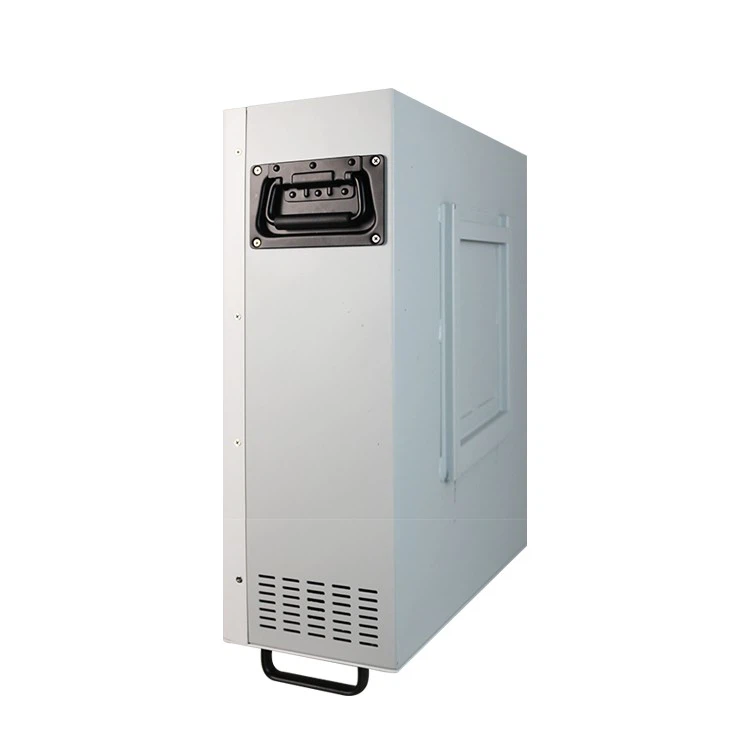
Now, let's get into the nitty - gritty of what the ventilation requirements actually are. There isn't a one - size - fits - all answer, as it depends on several factors.
One of the most important factors is the size and capacity of the battery. Larger batteries with higher capacities generally generate more heat. For example, a Lithium Battery Bank for Home that's designed to store a large amount of energy for a whole - house setup will need better ventilation than a smaller battery used for a small - scale backup power system.
The charging and discharging rates also play a role. If you're charging or discharging the battery at a high rate, more heat will be produced. For instance, if you have a Lithium Ion Battery for Solar Energy Storage that's quickly charging during peak sunlight hours or discharging rapidly during a power outage, it'll generate more heat compared to a battery that's being charged or discharged at a slower, more leisurely pace.
The ambient temperature of the location where the battery is installed is another key factor. If you live in a hot climate, the battery will already be starting in a warm environment, so it'll need even better ventilation to keep it cool. On the other hand, in a cooler climate, the ventilation requirements might be a bit less strict.
So, what does good ventilation look like? Well, ideally, the battery should be installed in a well - ventilated room or enclosure. There should be enough space around the battery for air to flow freely. You can also use fans or ventilation systems to help with the air circulation. Some Lithium Storage Battery Systems come with built - in ventilation features, which is a great option as it takes care of the ventilation right out of the box.
If you're installing the battery in an enclosed space, make sure there are vents or openings that allow air to enter and exit. The vents should be placed in a way that creates a natural air flow. For example, having intake vents at the bottom and exhaust vents at the top can create a "chimney effect," where hot air rises and escapes through the top vents, while fresh air is drawn in from the bottom.
It's also important to keep the area around the battery clean. Dust and debris can block the vents and reduce the effectiveness of the ventilation. Regularly check the vents and clean them if necessary.
Now, I know all this talk about ventilation might seem a bit overwhelming, but don't worry. We're here to help. As a supplier of home lithium batteries, we have a lot of experience in this area. We can provide you with all the information you need about the ventilation requirements for our specific battery products.
We understand that every home is different, and we'll work with you to find the best solution for your situation. Whether you're looking for a small battery for a weekend getaway cabin or a large - scale battery system for your family home, we've got you covered.
If you're interested in learning more about our lithium batteries for home use or have any questions about ventilation requirements, don't hesitate to reach out. We're always happy to have a chat and discuss your needs. You can inquire about our products and get all the details you need to make an informed decision.
In conclusion, ventilation is a crucial aspect of using lithium batteries for home use. It helps to keep the battery cool, extends its lifespan, and ensures its safe operation. By following the right ventilation guidelines and working with a reliable supplier, you can enjoy the benefits of a high - performance home battery system without any worries.
So, if you're ready to take the next step and invest in a home lithium battery, give us a shout. We're excited to help you power your home with clean, efficient energy!
References:
- Industry standards and guidelines for lithium battery installation and safety
- Technical documentation from lithium battery manufacturers