

As a supplier of lithium batteries for home use, I often encounter concerns from customers about the safety of these products. It's a valid concern, considering the high - energy nature of lithium batteries and the potential risks associated with them. In this blog, I'll delve into the safety aspects of home - use lithium batteries, exploring the factors that contribute to their safety as well as the situations where risks might arise.
The Basics of Lithium Batteries for Home Use
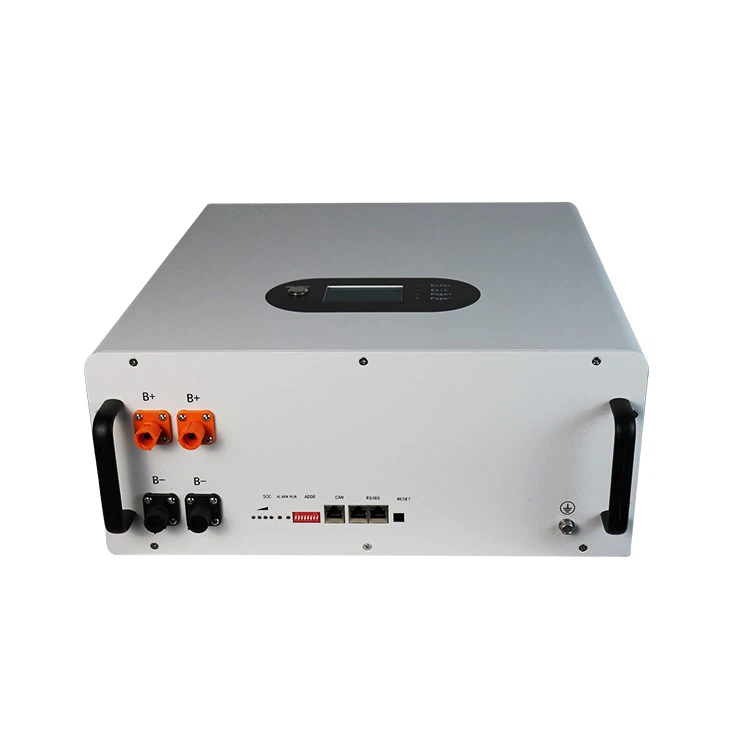
Lithium batteries have become increasingly popular for home applications due to their high energy density, long cycle life, and relatively low self - discharge rate. These characteristics make them ideal for various home uses, such as Lithium Battery Bank for Home, which can store large amounts of energy for use during power outages or peak demand periods, and Lithium Ion Battery for Solar Energy Storage, which can efficiently store the electricity generated by solar panels.
The fundamental working principle of lithium batteries is based on the movement of lithium ions between the anode and the cathode during charge and discharge cycles. When the battery is charged, lithium ions move from the cathode to the anode, and during discharge, they move in the opposite direction, generating an electric current. The chemical reactions involved in this process are carefully engineered to be efficient and stable.
Safety Features Built into Home - Use Lithium Batteries
Modern home - use lithium batteries are equipped with a variety of safety features to prevent potential hazards. One of the most important safety components is the Battery Management System (BMS). The BMS monitors and controls the battery's voltage, temperature, and current. It ensures that each cell in the battery pack operates within a safe range. If the voltage of a cell gets too high or too low, or if the temperature exceeds a certain threshold, the BMS can take corrective actions, such as disconnecting the battery from the circuit to prevent overcharging, over - discharging, or overheating.
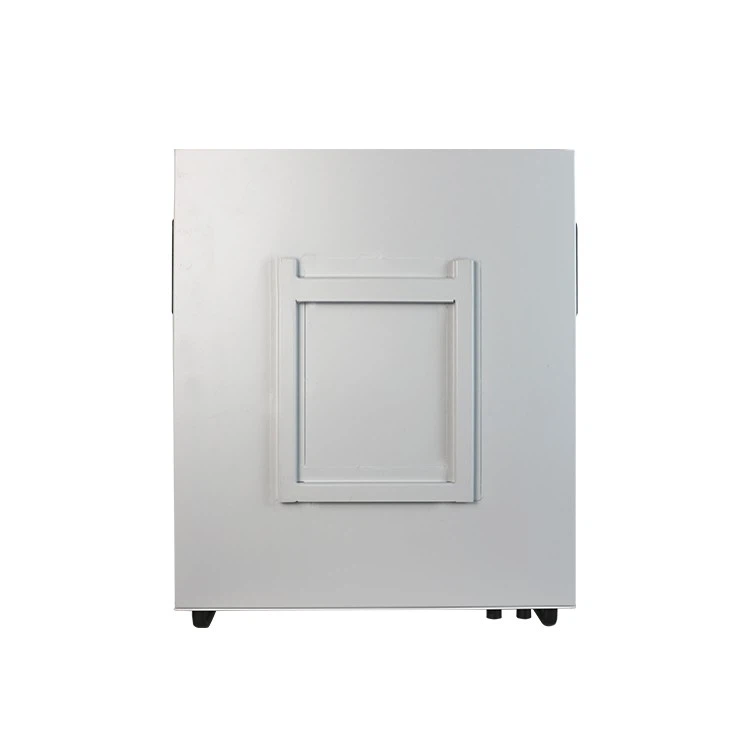
In addition to the BMS, many lithium batteries also have physical safety features. For example, they are often enclosed in a robust and fire - resistant casing. This casing not only protects the battery from physical damage but also acts as a barrier in case of a thermal runaway event. Thermal runaway is a situation where the battery's temperature rises uncontrollably, which can lead to a fire or explosion. The fire - resistant casing helps to contain the fire and prevent it from spreading to the surrounding environment.
Factors Affecting the Safety of Home - Use Lithium Batteries
While lithium batteries are generally safe when used and maintained properly, several factors can affect their safety. One of the main factors is the quality of the battery itself. Batteries from reputable manufacturers are more likely to have high - quality components and strict quality control measures during the manufacturing process. Cheaper, low - quality batteries may use substandard materials or have manufacturing defects, which can increase the risk of safety issues.
Another factor is the operating environment. Lithium batteries are sensitive to temperature. Extreme temperatures, either too hot or too cold, can affect the battery's performance and safety. High temperatures can accelerate the chemical reactions inside the battery, leading to increased self - discharge and potentially causing thermal runaway. On the other hand, low temperatures can reduce the battery's capacity and increase its internal resistance, which may lead to over - discharging if the battery is not properly managed.
Proper installation and maintenance are also crucial for the safety of home - use lithium batteries. Incorrect installation, such as improper wiring or grounding, can create electrical hazards. Regular maintenance, including checking the battery's voltage, temperature, and overall condition, can help detect potential problems early and prevent safety issues.
Real - World Safety Records
In the real world, the safety record of home - use lithium batteries is generally good. With the continuous improvement of battery technology and safety features, the number of safety incidents has been decreasing over the years. However, it's important to note that there have still been some isolated cases of battery fires or explosions. These incidents are often the result of misuse, such as using damaged batteries, overcharging, or exposing the batteries to extreme conditions.
It's also worth mentioning that compared to other types of energy storage systems, lithium batteries have some advantages in terms of safety. For example, lead - acid batteries, which were commonly used for home energy storage in the past, can release toxic gases and have a shorter lifespan. Lithium batteries, when properly designed and used, are more environmentally friendly and less likely to cause long - term health risks.
How to Ensure the Safety of Home - Use Lithium Batteries
As a supplier, I always recommend the following steps to ensure the safety of home - use lithium batteries. First, choose a high - quality battery from a reputable manufacturer. Look for batteries that have been tested and certified by relevant safety standards organizations. Second, follow the manufacturer's installation and usage instructions carefully. If you're not sure how to install the battery properly, it's advisable to hire a professional electrician.
Third, monitor the battery's performance regularly. This can be done through the BMS or by using external monitoring devices. If you notice any abnormal behavior, such as a sudden drop in capacity or an increase in temperature, stop using the battery immediately and contact the manufacturer or a professional for assistance.
Finally, store the batteries in a cool, dry, and well - ventilated place. Avoid storing them in direct sunlight or near heat sources. If you need to transport the batteries, make sure they are properly packaged and protected to prevent physical damage.
Conclusion
In conclusion, lithium batteries for home use can be safe when they are of high quality, used and maintained properly. The built - in safety features, such as the BMS and fire - resistant casings, play a crucial role in preventing potential hazards. However, it's important for users to be aware of the factors that can affect the battery's safety and take appropriate measures to ensure its safe operation.
If you're considering purchasing a lithium battery for home use, such as a Lithium Battery for Home Backup, we are here to provide you with high - quality products and professional advice. We understand the importance of safety and are committed to delivering reliable energy storage solutions for your home. If you have any questions or would like to discuss your specific needs, please feel free to contact us for a procurement negotiation.
References
- "Lithium - Ion Batteries: Science and Technologies" by Yoshio Nishi, Asaoka Zeljko, and Wang Jiulin
- Safety standards and guidelines from relevant organizations such as the International Electrotechnical Commission (IEC) and Underwriters Laboratories (UL)