

The cost of an Energy Storage System (ESS) battery with a built - in battery management system (BMS) is a multifaceted topic that involves various factors. As a supplier of ESS battery cost analysis, I've witnessed firsthand how different elements can significantly influence the final price.
Components Affecting the Cost
Battery Chemistry
One of the primary determinants of ESS battery cost is the type of battery chemistry used. Lithium - ion batteries are currently the most popular choice for ESS applications due to their high energy density, long cycle life, and relatively low self - discharge rate. However, different lithium - ion chemistries, such as lithium iron phosphate (LiFePO4), lithium nickel manganese cobalt oxide (NMC), and lithium cobalt oxide (LCO), have different costs.
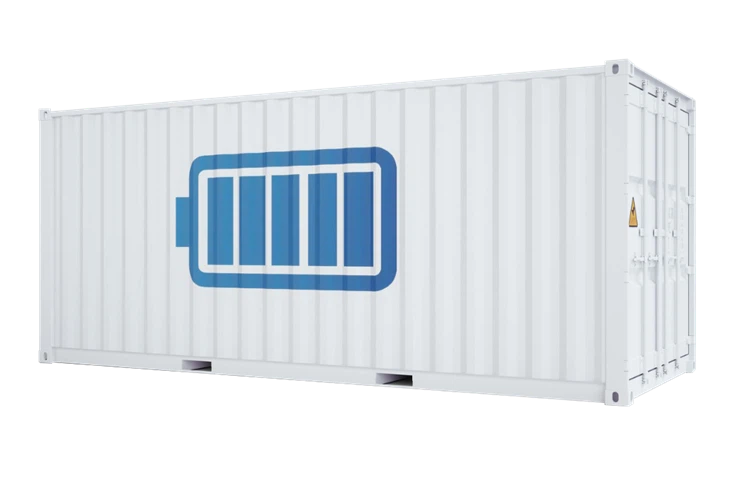
LiFePO4 batteries are known for their safety, long cycle life, and thermal stability. They are often used in applications where safety is a top priority, such as in lithium ion battery ess container. Although they may have a slightly lower energy density compared to some other lithium - ion chemistries, their long - term cost - effectiveness can be quite high. On the other hand, NMC batteries offer a good balance between energy density and cost, making them a common choice for many ESS projects. LCO batteries, while having high energy density, are more expensive and less stable, which limits their use in large - scale ESS applications.
Battery Capacity
The capacity of the ESS battery, measured in kilowatt - hours (kWh), is another crucial factor in determining the cost. Generally, larger capacity batteries cost more. A small - scale ESS with a capacity of a few kWh may be suitable for residential use, while large - scale commercial or utility - scale ESS can have capacities in the hundreds or even thousands of kWh. As the capacity increases, the amount of raw materials required, such as lithium, cobalt, and graphite, also increases, leading to a higher cost.
Battery Management System (BMS)
A built - in BMS is essential for the safe and efficient operation of an ESS battery. The BMS monitors and controls the charging and discharging processes, balances the cells, and protects the battery from overcharging, over - discharging, and overheating. The complexity and functionality of the BMS can vary significantly, which in turn affects its cost.
A basic BMS may only provide basic monitoring and protection functions, while a more advanced BMS can offer features such as cell balancing algorithms, state - of - charge (SOC) and state - of - health (SOH) estimation, and communication interfaces for remote monitoring and control. The cost of a high - end BMS can be a significant portion of the total ESS battery cost, especially for large - scale systems where precise control and monitoring are critical.
System Integration and Installation
The cost of integrating the ESS battery into an existing power system and installing it on - site also adds to the overall cost. This includes the cost of electrical components such as inverters, transformers, and switchgear, as well as the labor cost for installation and commissioning. In addition, site - specific factors such as the location, accessibility, and environmental conditions can also affect the installation cost. For example, installing an ESS in a remote or harsh environment may require additional equipment and labor, increasing the overall cost.

Market Trends and Cost Drivers
Economies of Scale
As the demand for ESS batteries continues to grow, economies of scale are playing an increasingly important role in reducing the cost. Large - scale production of ESS batteries can lead to lower manufacturing costs per unit due to bulk purchasing of raw materials, more efficient production processes, and better utilization of production facilities. This has been evident in the lithium - ion battery market, where the cost of lithium - ion batteries has decreased significantly over the past decade as production volumes have increased.
Technological Advancements
Ongoing technological advancements in battery chemistry, BMS technology, and system integration are also driving down the cost of ESS batteries. For example, new battery chemistries with higher energy density and longer cycle life are being developed, which can reduce the amount of raw materials required and increase the overall lifespan of the battery. Similarly, improvements in BMS technology are making it possible to achieve more precise control and monitoring with lower - cost components.
Government Policies and Incentives
Government policies and incentives can have a significant impact on the cost of ESS batteries. Many countries have implemented policies to promote the use of renewable energy and energy storage, such as feed - in tariffs, tax credits, and subsidies. These policies can help offset the initial cost of installing an ESS battery, making it more economically viable for consumers and businesses. In addition, regulations related to energy storage safety and performance can also influence the cost by requiring certain standards to be met.
Cost Estimation and Comparison
Cost per kWh
One common way to compare the cost of different ESS batteries is to calculate the cost per kWh. This metric allows for a more direct comparison between batteries of different capacities. To calculate the cost per kWh, divide the total cost of the ESS battery (including the BMS, system integration, and installation) by its capacity in kWh.
For example, if an ESS battery with a capacity of 100 kWh costs $50,000 in total, the cost per kWh is $500. However, it's important to note that the cost per kWh can vary depending on the factors mentioned above, such as battery chemistry, BMS complexity, and system integration requirements.
Total Cost of Ownership
In addition to the initial purchase cost, it's also important to consider the total cost of ownership (TCO) of an ESS battery over its lifetime. The TCO includes factors such as the cost of maintenance, replacement of components, and the cost of electricity during the charging and discharging processes. A battery with a lower initial cost may have a higher TCO if it requires frequent maintenance or has a shorter lifespan.
Case Studies
Let's take a look at a few case studies to illustrate how different factors can affect the cost of an ESS battery.
Residential ESS
A residential ESS with a capacity of 10 kWh, using LiFePO4 battery chemistry and a basic BMS, may cost around $5,000 - $7,000. The cost of system integration and installation may add an additional $1,000 - $2,000, bringing the total cost to around $6,000 - $9,000. This type of ESS is suitable for homeowners who want to store excess solar energy generated during the day for use at night or during power outages.
Commercial ESS
A commercial ESS with a capacity of 100 kWh, using NMC battery chemistry and an advanced BMS, may cost around $30,000 - $50,000. The cost of system integration and installation, which may include more complex electrical components and site - specific requirements, can add another $10,000 - $20,000. The total cost of the commercial ESS can range from $40,000 - $70,000. This type of ESS can be used by businesses to reduce their peak electricity demand, improve power quality, and increase energy independence.
Utility - Scale ESS
A utility - scale ESS with a capacity of 1 MWh or more can cost several million dollars. The cost of the battery itself, depending on the battery chemistry and capacity, can range from $500,000 - $1 million or more. The cost of system integration, installation, and associated electrical infrastructure can also be substantial. In addition, utility - scale ESS often require more advanced BMS and monitoring systems to ensure reliable and efficient operation.
Conclusion
The cost of an ESS battery with a built - in BMS is influenced by a variety of factors, including battery chemistry, capacity, BMS complexity, system integration, and installation. While the initial cost of an ESS battery can be significant, ongoing technological advancements, economies of scale, and government incentives are helping to reduce the cost and make ESS more accessible.
As a supplier of ESS battery cost analysis, we understand the importance of providing accurate and comprehensive cost information to our customers. Whether you are a homeowner looking for a residential ESS, a business owner considering a commercial ESS, or a utility company planning a large - scale ESS project, we can help you evaluate the cost and benefits of different ESS solutions.
If you are interested in learning more about the cost of ESS batteries or are considering purchasing an ESS Battery System or ESS Battery Pack, please feel free to contact us for a detailed cost analysis and procurement discussion. We look forward to working with you to find the most cost - effective ESS solution for your needs.
References
- "Energy Storage Systems: Technologies and Applications" by X. Lu, J. Li, and Y. Chen
- "Lithium - Ion Batteries: Science and Technologies" by Y. Wang and J. Zhang
- Industry reports from market research firms such as BloombergNEF and Wood Mackenzie