

In the dynamic landscape of energy solutions, commercial batteries play a pivotal role in powering a wide array of applications, from industrial machinery to renewable energy storage systems. As a leading commercial battery supplier, we understand the significance of optimizing battery performance to meet the diverse needs of our customers. In this blog post, we will explore various strategies and best practices to enhance the performance of commercial batteries, ensuring reliability, efficiency, and longevity.
Understanding Battery Chemistry and Design
The first step in optimizing battery performance is to have a thorough understanding of the battery chemistry and design. Different battery chemistries, such as lithium-ion, lead-acid, and nickel-cadmium, offer unique characteristics in terms of energy density, power output, cycle life, and cost. For example, lithium-ion batteries are known for their high energy density, long cycle life, and low self-discharge rate, making them ideal for applications that require high power and long-term reliability. On the other hand, lead-acid batteries are more cost-effective and suitable for applications that require high surge currents, such as starting engines or powering backup systems.
In addition to battery chemistry, the design of the battery also plays a crucial role in its performance. Factors such as cell configuration, electrode material, electrolyte composition, and thermal management can significantly impact the battery's energy density, power output, and cycle life. For instance, a well-designed battery pack with proper cell balancing and thermal management can prevent overcharging, over-discharging, and overheating, which are common causes of battery degradation and failure.
Selecting the Right Battery for the Application
Once you have a clear understanding of the battery chemistry and design, the next step is to select the right battery for your specific application. Consider factors such as the required energy capacity, power output, cycle life, operating temperature range, and cost when choosing a battery. It is also important to ensure that the battery is compatible with the charging system and the load requirements of the application.
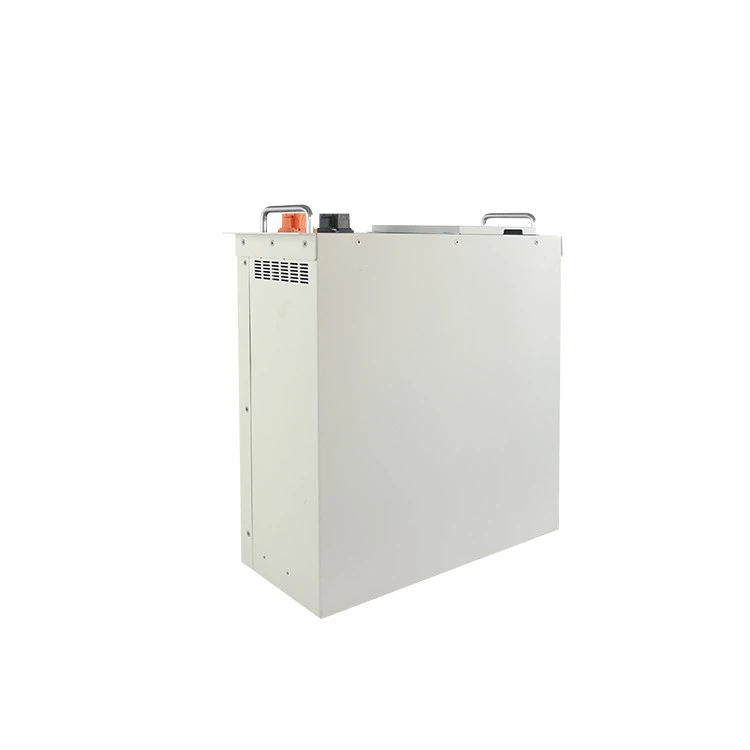
For example, if you are looking for a battery to power a solar energy storage system, you may want to consider a lithium-ion battery with high energy density and long cycle life, such as the 51.2v 100ah Lithium Battery module. This battery module offers a high energy capacity of 5120 Wh and is designed for use in renewable energy storage applications, providing reliable and efficient power storage for solar panels.
On the other hand, if you need a battery for a backup power system, you may opt for a lead-acid battery with high surge current capability and low cost, such as the 48 Volt 100ah Lithium Battery module. This battery module is suitable for use in backup power applications, providing a reliable source of power during power outages or emergencies.
Optimizing Charging and Discharging Practices
Proper charging and discharging practices are essential for optimizing battery performance and extending its service life. Overcharging, over-discharging, and rapid charging can all cause damage to the battery, leading to reduced capacity, shorter cycle life, and even safety hazards. Therefore, it is important to follow the manufacturer's recommendations for charging and discharging the battery.
One of the key factors in optimizing charging practices is to use a compatible charger that is designed for the specific battery chemistry and voltage. A charger that is not designed for the battery can cause overcharging, which can lead to overheating, electrolyte decomposition, and cell damage. It is also important to avoid charging the battery at high temperatures, as this can accelerate battery degradation.
In addition to using a compatible charger, it is also recommended to use a charging algorithm that is optimized for the battery chemistry. For example, lithium-ion batteries require a constant current-constant voltage (CC-CV) charging algorithm to ensure that the battery is charged safely and efficiently. This algorithm involves charging the battery at a constant current until it reaches a certain voltage, and then switching to a constant voltage mode to complete the charging process.
Similarly, proper discharging practices are also important for optimizing battery performance. Over-discharging a battery can cause irreversible damage to the battery cells, leading to reduced capacity and shorter cycle life. Therefore, it is important to avoid discharging the battery below its recommended minimum voltage. Most batteries have a built-in protection circuit that prevents over-discharging, but it is still important to monitor the battery voltage during use to ensure that it does not drop below the minimum level.
Implementing Thermal Management Systems
Thermal management is another critical factor in optimizing battery performance. Batteries generate heat during charging and discharging, and excessive heat can cause damage to the battery cells, leading to reduced capacity, shorter cycle life, and even safety hazards. Therefore, it is important to implement a thermal management system to regulate the temperature of the battery and prevent overheating.
There are several different types of thermal management systems available, including air cooling, liquid cooling, and phase change materials. Air cooling is the simplest and most common type of thermal management system, which involves using fans or vents to circulate air around the battery to dissipate heat. Liquid cooling, on the other hand, is more efficient and can provide better temperature control, but it is also more complex and expensive. Phase change materials are a type of passive thermal management system that can absorb and release heat as they change phase, providing a stable temperature environment for the battery.
The choice of thermal management system depends on several factors, such as the size and type of the battery, the operating environment, and the cost. For example, air cooling may be sufficient for small batteries or applications that operate in a cool environment, while liquid cooling may be required for larger batteries or applications that generate a lot of heat.
Regular Maintenance and Monitoring
Regular maintenance and monitoring are essential for ensuring the long-term performance and reliability of commercial batteries. Regular maintenance can help to identify and address potential issues before they become serious problems, while monitoring can provide real-time information about the battery's state of charge, state of health, and temperature.
One of the key maintenance tasks for commercial batteries is to perform regular inspections and cleaning. This involves checking the battery for any signs of damage, such as cracks, leaks, or corrosion, and cleaning the battery terminals to ensure good electrical contact. It is also important to check the electrolyte level in lead-acid batteries and add distilled water as needed to maintain the proper level.
In addition to regular inspections and cleaning, it is also recommended to perform regular battery testing to evaluate the battery's performance and state of health. This can involve measuring the battery's voltage, capacity, and internal resistance, as well as performing a load test to simulate real-world operating conditions. Battery testing can help to identify any potential issues with the battery, such as a reduced capacity or a high internal resistance, and allow for timely replacement or repair.
Monitoring is another important aspect of battery maintenance. By monitoring the battery's state of charge, state of health, and temperature in real-time, you can detect any potential issues early and take appropriate action to prevent damage to the battery. There are several different types of battery monitoring systems available, including wired and wireless systems, which can provide real-time data about the battery's performance and status.
Conclusion
Optimizing the performance of commercial batteries is essential for ensuring reliability, efficiency, and longevity. By understanding battery chemistry and design, selecting the right battery for the application, optimizing charging and discharging practices, implementing thermal management systems, and performing regular maintenance and monitoring, you can maximize the performance and service life of your commercial batteries.
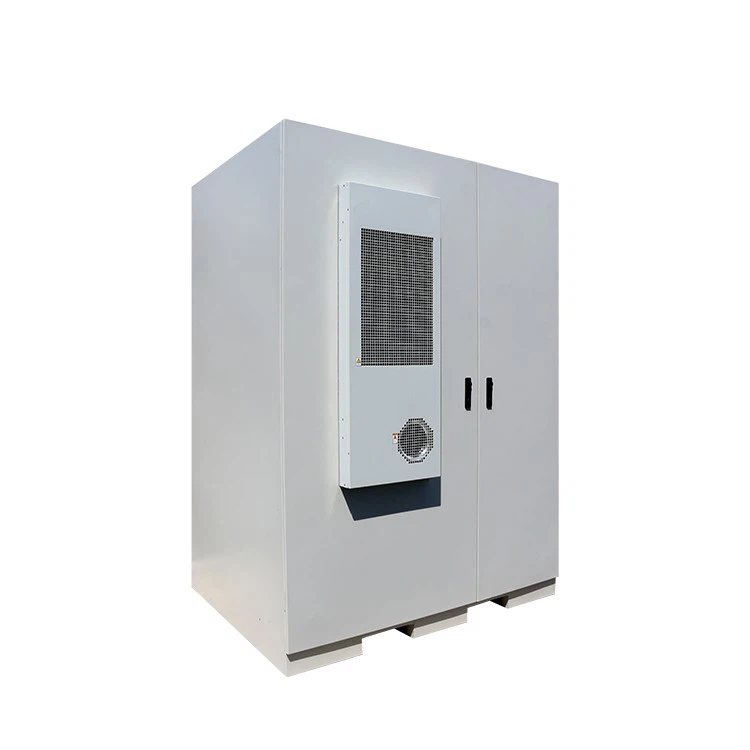
At [Our Company], we are committed to providing our customers with high-quality commercial batteries and innovative energy solutions. Our Commercial Industrial Battery Storage Systems are designed to meet the diverse needs of our customers, providing reliable and efficient power storage for a wide range of applications. If you have any questions about our products or services, or if you are interested in exploring how we can help you optimize the performance of your commercial batteries, please do not hesitate to contact us for a consultation. We look forward to working with you to achieve your energy goals.
References
- Linden, D., & Reddy, T. B. (2002). Handbook of batteries. McGraw-Hill.
- Tarascon, J.-M., & Armand, M. (2001). Issues and challenges facing rechargeable lithium batteries. Nature, 414(6861), 359-367.
- Gregory, D. H., Offer, G. J., & Howey, D. A. (2017). Lithium-ion battery cell degradation resulting from realistic vehicle and vehicle-to-grid utilization. Journal of Power Sources, 348, 80-92.