

The memory effect, also known as the battery memory effect or lazy battery effect, has long been a topic of concern in the battery industry. As a commercial battery supplier, understanding this phenomenon is crucial for providing high - quality products and ensuring customer satisfaction. In this blog, we'll delve into what the memory effect is, how it impacts commercial batteries, and what steps can be taken to mitigate its effects.
What is the Memory Effect?
The memory effect is a phenomenon that occurs in certain types of rechargeable batteries, where the battery "remembers" the point at which it was repeatedly recharged. This results in a reduced capacity and a shorter runtime. When a battery is not fully discharged before recharging, a crystalline structure can form on the electrodes inside the battery. Over time, these crystals can build up and prevent the battery from being fully charged or discharged, effectively reducing its overall capacity.

The classic example of a battery type prone to the memory effect is the nickel - cadmium (NiCd) battery. In the past, NiCd batteries were widely used in many commercial applications such as portable electronics, power tools, and emergency lighting. If a NiCd battery was regularly recharged after only partial discharge, say, from 80% charge to full, it would gradually "forget" how to utilize the remaining 20% of its capacity. This would lead to a situation where the battery would seem to run out of power much earlier than its rated capacity, even though it was still physically intact.
Impact on Commercial Batteries
In the commercial battery market, the memory effect can have several significant impacts. First and foremost, it can lead to a decrease in the performance of battery - powered equipment. For example, in a commercial setting where power tools are used, a battery with a memory effect may cause the tool to lose power prematurely during operation. This not only disrupts the workflow but also reduces productivity.
Secondly, it can increase the cost of ownership for businesses. Since batteries with a severe memory effect need to be replaced more frequently, companies have to spend more money on new batteries. This can be a substantial expense, especially for industries that rely heavily on battery - powered equipment, such as the logistics and telecommunications sectors.
Moreover, the memory effect can also have an environmental impact. Frequent battery replacements mean more waste, which can contribute to environmental pollution. As a commercial battery supplier, it is our responsibility to provide solutions that minimize these negative impacts.
Different Battery Chemistries and the Memory Effect
Not all battery chemistries are equally susceptible to the memory effect. As mentioned earlier, NiCd batteries are highly prone to it. However, with the advancement of battery technology, other chemistries have emerged that are less affected.
Nickel - metal hydride (NiMH) batteries are an improvement over NiCd batteries in terms of the memory effect. While they can still experience a form of the memory effect, it is generally less severe. NiMH batteries have a higher energy density and are more environmentally friendly compared to NiCd batteries. They are commonly used in applications such as digital cameras, cordless phones, and some hybrid vehicles.
Lithium - ion (Li - ion) batteries, on the other hand, are known for their low susceptibility to the memory effect. Li - ion batteries are widely used in modern commercial applications, including smartphones, laptops, and electric vehicles. Their ability to be recharged at any state of charge without significant loss of capacity makes them a popular choice for many businesses.
As a commercial battery supplier, we offer a range of battery chemistries to meet different customer needs. Our 48 Volt 100ah Lithium Battery module is a prime example of a high - performance Li - ion battery product. It provides a reliable and long - lasting power source, with minimal concerns about the memory effect.
Mitigating the Memory Effect
If you are using batteries that are prone to the memory effect, there are several steps you can take to mitigate its impact. For NiCd and NiMH batteries, regular deep - cycling is recommended. Deep - cycling involves fully discharging the battery and then fully recharging it. This helps to break down the crystalline structures on the electrodes and restore the battery's full capacity.
However, it's important to note that deep - cycling should be done carefully, as over - discharging can also damage the battery. Many modern battery chargers are equipped with features that can help with deep - cycling, such as automatic discharge before recharging.
For Li - ion batteries, although they are less affected by the memory effect, proper charging practices are still important. It is recommended to avoid overcharging and over - discharging Li - ion batteries. Most Li - ion battery - powered devices are designed with built - in protection circuits to prevent these issues, but it's still good practice to follow the manufacturer's charging instructions.
Our Commercial Battery Solutions
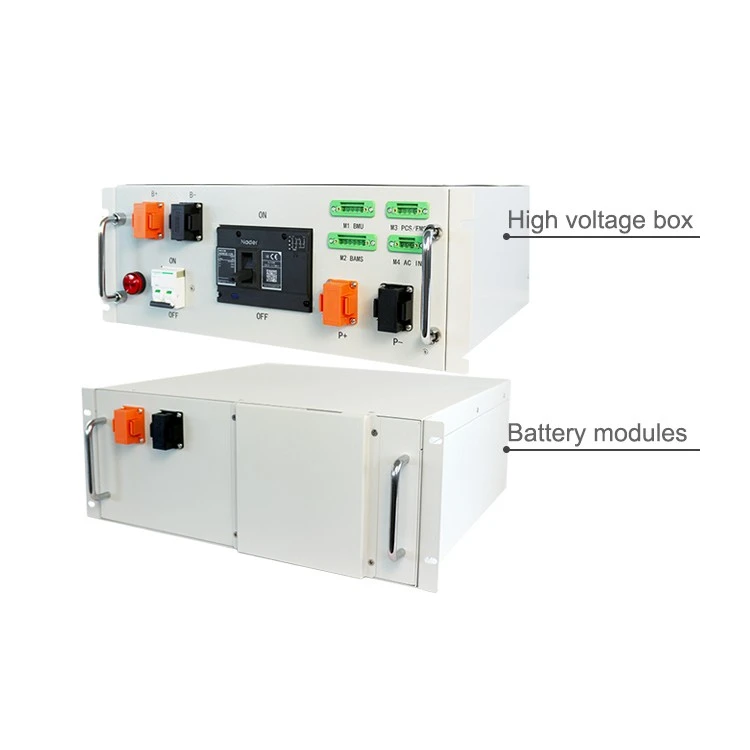
At our company, we understand the importance of providing batteries that are reliable and free from the negative effects of the memory effect. That's why we offer a wide range of Commercial Lithium Batteries System. These lithium - based batteries are designed to provide long - lasting performance with minimal maintenance.
Our Lithium Battery Module for home is another great option for both residential and small - scale commercial applications. It offers a high - energy density and a long cycle life, making it an ideal choice for those looking for a reliable and efficient power source.
Conclusion
The memory effect is a phenomenon that has had a long - standing impact on the battery industry. While it was a significant concern with older battery chemistries like NiCd, modern battery technologies, especially lithium - ion, have greatly reduced its influence. As a commercial battery supplier, we are committed to providing our customers with the best battery solutions that are not only free from the memory effect but also offer high performance, long - term reliability, and environmental friendliness.
If you are interested in our commercial battery products or have any questions about battery performance and the memory effect, we encourage you to contact us. Our team of experts is ready to assist you in finding the perfect battery solution for your specific needs. Whether you are a small business or a large corporation, we have the products and knowledge to support your battery requirements. Let's work together to power your business efficiently and sustainably.
References
- Linden, D., & Reddy, T. B. (Eds.). (2002). Handbook of Batteries. McGraw - Hill.
- Koksbang, R., & Christensen, P. A. (2014). Battery Management Systems: Design by Modelling. John Wiley & Sons.
- Tarascon, J. M., & Armand, M. (2001). Issues and challenges facing rechargeable lithium batteries. Nature, 414(6861), 359 - 367.