

What is the maximum discharging current of an ESS battery pack?
As a supplier of ESS battery packs, I often encounter inquiries from customers regarding the maximum discharging current of our products. Understanding this parameter is crucial for various applications, from small - scale residential energy storage to large - scale industrial and grid - connected systems. In this blog, I will delve into the concept of the maximum discharging current of an ESS battery pack, the factors that influence it, and its significance in real - world scenarios.
Understanding the Maximum Discharging Current
The maximum discharging current of an ESS battery pack refers to the highest amount of electrical current that the battery pack can safely and effectively deliver over a specified period. It is typically measured in amperes (A). This parameter is a key specification as it determines the battery pack's ability to power high - demand electrical loads. For instance, in a residential energy storage system, if you have multiple high - power appliances running simultaneously, the battery pack needs to be able to supply the necessary current without overheating or suffering damage.
Let's take a closer look at how this concept applies to different types of ESS battery packs. Our ESS Battery Pack comes in various configurations, each designed to meet specific power requirements. Smaller packs may have a lower maximum discharging current, suitable for powering basic household electronics, while larger packs can handle much higher currents, making them ideal for industrial applications.
Factors Influencing the Maximum Discharging Current
Several factors play a role in determining the maximum discharging current of an ESS battery pack.
Battery Chemistry
The type of battery chemistry used in the pack is one of the most significant factors. Different chemistries have different internal resistances and electrochemical properties, which directly affect the current - carrying capacity. For example, lithium - ion batteries, which are commonly used in our ess module battery, generally have a relatively low internal resistance. This allows them to deliver high currents more efficiently compared to other battery chemistries such as lead - acid batteries. Lithium - ion batteries can handle rapid charging and discharging, making them well - suited for applications where high - power output is required.
Battery Temperature
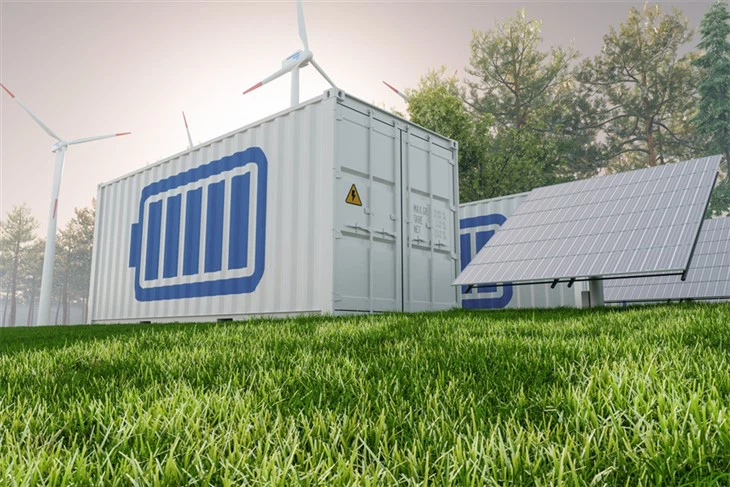
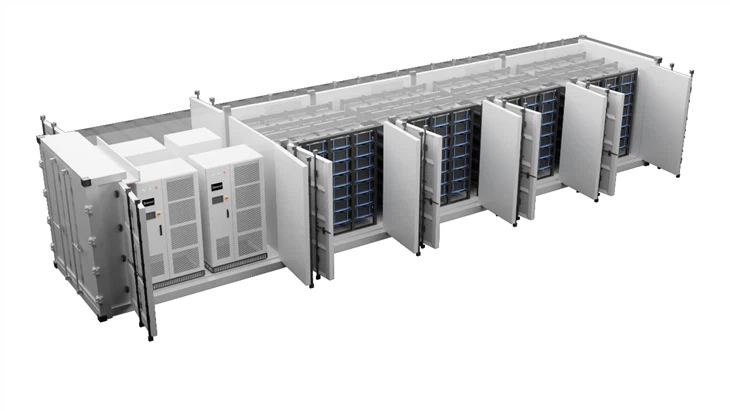
Temperature has a profound impact on the battery's performance and its maximum discharging current. At lower temperatures, the chemical reactions within the battery slow down, increasing the internal resistance. This results in a reduced ability to deliver high currents. On the other hand, high temperatures can cause the battery to overheat, which may lead to thermal runaway and permanent damage. Our lithium ion battery ess container is equipped with advanced thermal management systems to maintain the optimal temperature range for the battery pack, ensuring consistent performance and a stable maximum discharging current.
Battery State of Charge (SOC)
The state of charge of the battery also affects the maximum discharging current. When the battery is fully charged, it can typically deliver a higher current compared to when it is near the end of its discharge cycle. As the SOC decreases, the internal resistance of the battery increases, limiting the amount of current that can be safely drawn. It is important to monitor the SOC closely to ensure that the battery pack is not over - discharged, which can lead to reduced battery life and performance.
Battery Design and Construction
The physical design and construction of the battery pack, including the number of cells, their arrangement, and the quality of the electrical connections, can influence the maximum discharging current. A well - designed battery pack with low - resistance connections and a balanced cell configuration can handle higher currents more effectively. Our engineers pay close attention to these details during the manufacturing process to ensure that each ESS Battery Pack meets the highest standards of performance and safety.
Significance in Real - World Applications
The maximum discharging current of an ESS battery pack is of utmost importance in various real - world applications.
Residential Energy Storage
In a residential setting, the battery pack needs to be able to power essential appliances during a power outage. For example, if you have a refrigerator, a few lights, and a small heater running, the battery pack must be able to supply the combined current requirements of these devices. A battery pack with a higher maximum discharging current can handle these high - demand situations more effectively, providing peace of mind to homeowners.
Industrial Applications
Industrial facilities often have high - power equipment that requires a large amount of current to operate. Our ESS Battery Pack can be used to provide backup power or to store excess energy generated during off - peak hours. For example, in a manufacturing plant, the battery pack can supply power to heavy machinery during a power interruption, preventing costly downtime.
Grid - Connected Systems
In grid - connected energy storage systems, the maximum discharging current is crucial for stabilizing the grid. When there is a sudden increase in demand or a drop in power generation, the battery pack can quickly inject power into the grid. A battery pack with a high maximum discharging current can respond more rapidly to these grid fluctuations, helping to maintain a stable and reliable power supply.
Determining the Right Maximum Discharging Current for Your Needs
When selecting an ESS battery pack, it is essential to determine the appropriate maximum discharging current based on your specific requirements. Consider the following steps:
- Load Analysis: Calculate the total power requirements of the electrical loads that the battery pack will need to support. This includes both the continuous power consumption and any peak power demands.
- Safety Margin: It is advisable to choose a battery pack with a maximum discharging current that is slightly higher than your calculated load requirements. This provides a safety margin to account for any unexpected power surges or changes in the load.
- Application - Specific Considerations: Different applications may have unique requirements. For example, if you are using the battery pack for a critical application such as a data center, you may need a higher maximum discharging current and a more reliable battery system.
Conclusion
The maximum discharging current of an ESS battery pack is a critical parameter that determines its performance and suitability for various applications. As a supplier, we are committed to providing high - quality ESS Battery Pack solutions that meet the diverse needs of our customers. By understanding the factors that influence the maximum discharging current and carefully selecting the right battery pack for your requirements, you can ensure a reliable and efficient energy storage system.
If you are interested in learning more about our ESS battery packs or have specific requirements for your energy storage project, we invite you to contact us for a detailed discussion. Our team of experts is ready to assist you in finding the perfect solution for your needs.
References
- Linden, D., & Reddy, T. B. (2002). Handbook of Batteries. McGraw - Hill.
- Tarascon, J. M., & Armand, M. (2001). Issues and challenges facing rechargeable lithium batteries. Nature, 414(6861), 359 - 367.