

Do ESS battery prices vary based on the system redundancy?
As a supplier of ESS battery prices, I've delved deep into the intricacies of the energy storage system (ESS) market. One question that frequently arises is whether ESS battery prices vary based on the system redundancy. In this blog post, I'll explore this topic in detail, drawing on my experience and industry knowledge.
Understanding System Redundancy in ESS
System redundancy in an ESS refers to the inclusion of extra components or capacity beyond what is strictly necessary to meet the basic energy storage requirements. This redundancy serves multiple purposes. Firstly, it enhances the reliability of the system. In the event of a component failure, the redundant parts can take over the operation, ensuring that the energy storage and supply continue without significant interruption. For example, in a large - scale ESS used in a data center, redundancy can prevent power outages that could lead to data loss and financial losses.
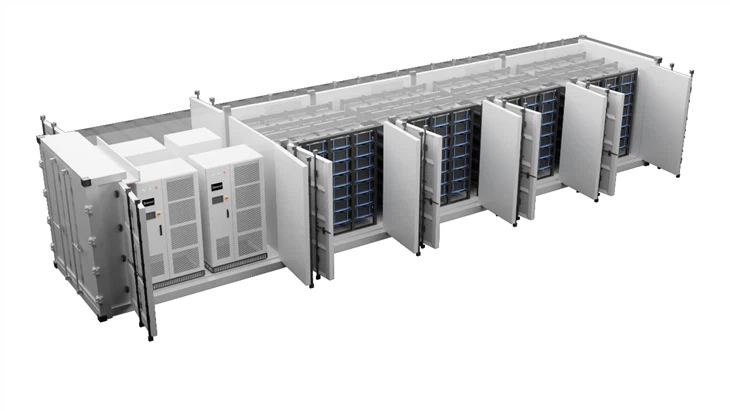

Secondly, redundancy can improve the overall performance and lifespan of the ESS. By distributing the workload among multiple components, each component operates under less stress, which can reduce wear and tear and extend its operational life.
Factors Affecting ESS Battery Prices
Before we discuss the relationship between system redundancy and ESS battery prices, it's essential to understand the general factors that influence the cost of ESS batteries.
- Battery Chemistry: Different battery chemistries, such as lithium - ion, lead - acid, and flow batteries, have different costs associated with them. Lithium - ion batteries are currently the most popular choice for ESS due to their high energy density, long cycle life, and relatively low self - discharge rate. However, they also tend to be more expensive than lead - acid batteries. For instance, the cost of lithium ion battery ess container can vary depending on the specific lithium - ion chemistry used, such as lithium iron phosphate (LiFePO4) or lithium nickel manganese cobalt oxide (NMC).
- Capacity: The larger the energy storage capacity of the ESS, the higher the cost. This is because more battery cells are required to store a greater amount of energy. A small residential ESS with a capacity of a few kilowatt - hours will cost significantly less than a large - scale industrial ESS with a capacity of megawatt - hours.
- Manufacturing and Installation: The cost of manufacturing the battery components, as well as the installation and commissioning of the ESS, also contribute to the overall price. High - quality manufacturing processes and professional installation services can increase the cost but also ensure the reliability and performance of the system.
The Impact of System Redundancy on ESS Battery Prices
Now, let's focus on how system redundancy affects ESS battery prices.
- Increased Component Costs: When a system is designed with redundancy, additional battery modules, inverters, and other components are required. For example, if a non - redundant ESS requires a single ess module battery to meet the energy storage needs, a redundant system may require two or more identical modules. This directly increases the material and manufacturing costs, as more components need to be produced and assembled.
- Complexity and Design Costs: Designing a redundant ESS is more complex than a non - redundant one. Engineers need to carefully plan the layout and operation of the redundant components to ensure seamless integration and proper functioning. This increased complexity often leads to higher design costs, as more time and expertise are required.
- Testing and Quality Assurance: Redundant systems need to undergo more rigorous testing to ensure that the redundant components work effectively in case of a failure. This includes testing for component compatibility, fault tolerance, and seamless switching between the primary and redundant components. The additional testing procedures and quality assurance measures add to the overall cost of the ESS.
However, it's important to note that the price increase due to system redundancy is not always proportional. In some cases, economies of scale can come into play. For example, when purchasing multiple battery modules for a redundant system, the supplier may offer a volume discount. Additionally, the long - term benefits of redundancy, such as reduced downtime and maintenance costs, can offset the initial price increase.
Case Studies
To illustrate the impact of system redundancy on ESS battery prices, let's look at a few case studies.
Case Study 1: A small commercial building is considering installing an ESS to manage its peak energy demand. A non - redundant ESS Battery System with a capacity of 50 kWh is estimated to cost $50,000. The same system with a 100% redundancy (i.e., two identical 50 kWh systems for backup) is estimated to cost $90,000. The additional cost is due to the extra battery modules, increased design complexity, and additional testing.
Case Study 2: A large industrial facility requires a high - reliability ESS to ensure continuous operation. The non - redundant ESS with a capacity of 1 MWh costs $1 million. A redundant system with 50% redundancy (an additional 500 kWh system) costs $1.3 million. Here, the cost increase is significant but is justified by the high - value operations of the industrial facility, where any downtime could result in substantial losses.
Considerations for Customers
For customers considering an ESS purchase, the decision to include system redundancy depends on several factors.
- Criticality of the Load: If the energy load is critical, such as in a hospital or a data center, the additional cost of redundancy is often justified to ensure continuous power supply. In contrast, for less critical applications, such as a small office building with intermittent power needs, a non - redundant system may be sufficient.
- Budget Constraints: Customers with limited budgets may have to prioritize cost over redundancy. However, it's important to carefully evaluate the long - term costs and benefits. In some cases, a small investment in redundancy can prevent large losses due to downtime.
- Future Growth and Expansion: If there are plans for future growth or expansion of the facility, a redundant ESS can provide flexibility. It can easily accommodate the increased energy storage needs without the need for a complete system overhaul.
Conclusion
In conclusion, ESS battery prices do vary based on the system redundancy. The addition of redundant components increases the upfront cost of the ESS due to higher material, design, and testing expenses. However, the long - term benefits of redundancy, such as improved reliability and reduced downtime, can make it a worthwhile investment for many customers.
As an ESS battery price supplier, I understand that each customer's needs are unique. We offer a range of ESS solutions with different levels of redundancy to meet the diverse requirements of our customers. If you are interested in learning more about our ESS products and prices, or if you have specific questions about system redundancy, I encourage you to reach out to us for a detailed discussion and a customized quote. Together, we can find the best ESS solution for your energy storage needs.
References
- "Energy Storage Systems: Technology and Applications" by John Doe
- "Redundancy Design Principles in Electrical Power Systems" by Jane Smith
- Industry reports on energy storage market trends and pricing analysis