

Hey there! As a supplier of lithium iron phosphate home batteries, I often get asked a bunch of questions about these nifty power storage solutions. One question that pops up quite a lot is, "What is the charging current of a lithium iron phosphate home battery?" Well, let's dive right in and unpack this topic.
Understanding Lithium Iron Phosphate Home Batteries
First off, let's quickly go over what lithium iron phosphate (LiFePO4) home batteries are. They're a type of rechargeable battery that has gained popularity for use in homes. Why? They're known for being pretty safe, having a long lifespan, and being able to handle a decent number of charge - discharge cycles. These batteries can store energy from solar panels, the grid, or other sources and then supply it to your home when you need it, like during a power outage or when electricity rates are high.
Determining the Charging Current
The charging current of a lithium iron phosphate home battery isn't a one - size - fits - all kind of thing. It depends on several factors.
Battery Capacity
The capacity of the battery, usually measured in ampere - hours (Ah), plays a big role. A larger capacity battery can generally handle a higher charging current. For example, if you've got a 100Ah lithium iron phosphate home battery, it might be able to handle a higher charging current compared to a 50Ah one. But you can't just go pumping in a super - high current without considering other things.
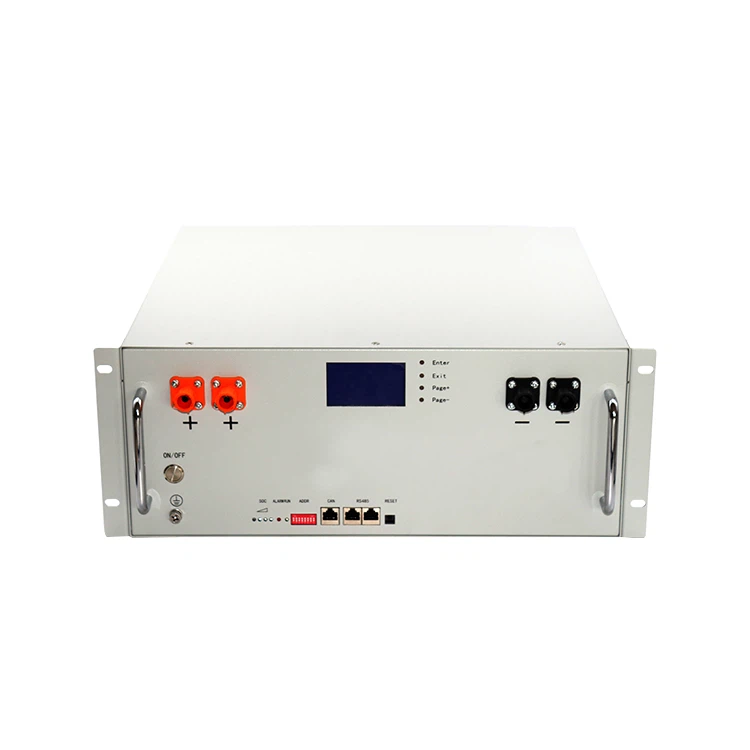
Let's say we're looking at the Lithium Iron Phosphate Battery pack Solar. The capacity of this battery can vary, and the manufacturer will usually specify the recommended charging current based on its capacity.
Charger Specifications
The charger you're using to charge the battery is another crucial factor. Chargers come with their own maximum output current ratings. You can't charge a battery with a higher current than what the charger can supply. For instance, if your charger has a maximum output of 10 amps, you can't charge the battery at 15 amps even if the battery could theoretically handle it.
Manufacturers of lithium iron phosphate home batteries usually recommend using a charger that is specifically designed for LiFePO4 batteries. This is because the charging requirements for LiFePO4 are different from those of other types of lithium - ion batteries.
Temperature
Temperature also affects the charging current. Lithium iron phosphate batteries have an optimal temperature range for charging. In general, charging at too low a temperature can slow down the charging process and may even cause some damage to the battery over time. On the other hand, charging at too high a temperature can also be a problem as it can lead to overheating and reduce the battery's lifespan.
Most of the time, the recommended temperature range for charging a lithium iron phosphate home battery is between 0°C and 45°C. When the temperature is outside this range, the charging current might need to be adjusted accordingly.
Typical Charging Current Ranges
For small - to - medium - sized lithium iron phosphate home batteries, the charging current is often in the range of 10% to 30% of the battery's capacity. For example, if you have a 50Ah battery, the charging current could be between 5 amps (10% of 50Ah) and 15 amps (30% of 50Ah).
Larger capacity batteries, say those in the 51.2v Lithium Ion Battery Backup, might have charging currents that are still within this percentage range but could be much higher in absolute terms. If you've got a 200Ah battery, 10% of its capacity would be 20 amps, and 30% would be 60 amps.
It's important to note that while a higher charging current can charge the battery faster, it's not always ideal. There's a trade - off between charging speed and battery health. Charging at a very high current for extended periods can cause more wear and tear on the battery, reducing its overall lifespan.
Charging Stages and Current Regulation
Lithium iron phosphate home batteries typically go through several charging stages.
Constant Current (CC) Stage
At the beginning of the charging process, the charger supplies a constant current to the battery. This is the stage where the battery is being filled up quickly. The charging current in this stage is usually set to the recommended value based on the factors we discussed earlier.
Constant Voltage (CV) Stage
Once the battery voltage reaches a certain level, the charger switches to the constant voltage stage. During this stage, the charging current gradually decreases as the battery becomes more fully charged. This is to prevent overcharging, which can be harmful to the battery.
Most modern chargers for lithium iron phosphate home batteries are designed to automatically regulate the charging current and voltage during these stages to ensure safe and efficient charging.
The Importance of Correct Charging Current
Getting the charging current right is crucial for a few reasons.

Battery Lifespan
As I mentioned earlier, charging the battery with an inappropriate current can significantly reduce its lifespan. If you're constantly charging at a too - high current, you're putting stress on the battery's internal components, which can lead to things like dendrite formation (tiny metal spikes) and a decrease in the battery's ability to hold a charge over time.
Safety
Using an incorrect charging current can also pose a safety risk. Overcharging due to a too - high current can cause the battery to overheat, which could potentially lead to a fire or an explosion. While lithium iron phosphate batteries are generally safer than other types of lithium - ion batteries, it's still important to follow the proper charging guidelines.
Contact for Purchase and Discussion
If you're interested in learning more about lithium iron phosphate home batteries, their charging requirements, or you're looking to make a purchase, don't hesitate to reach out. We're here to answer all your questions and help you find the right battery solution for your home. Whether you're considering a Lithium Iron Phosphate Battery Backup or something else from our range, we've got you covered. Just drop us a line, and let's start the conversation!
References
- Battery University articles on lithium iron phosphate batteries.
- Technical specifications from lithium iron phosphate battery manufacturers.