

Hey there! As a supplier of commercial battery backup systems, I've seen firsthand how crucial these systems are for businesses. Whether it's to keep the lights on during a power outage or to support critical operations, a reliable battery backup can be a game - changer. So, let's dive into the best practices for using commercial battery backup systems.
1. Proper Sizing and Selection
First things first, you gotta get the sizing right. A battery backup system that's too small won't be able to meet your power needs during an outage, while an oversized one is just a waste of money. To figure out the right size, you need to assess your power requirements. Make a list of all the equipment that needs to be powered during an outage. This includes things like computers, servers, security systems, and refrigeration units.
Check the power ratings (usually in watts) of each device. You can find this information on the device itself or in the user manual. Add up the power ratings of all the devices you want to keep running. This will give you an idea of the total power load.
Also, consider the runtime you need. How long do you want your battery backup to keep your equipment running? This depends on how often power outages occur in your area and how long they typically last.
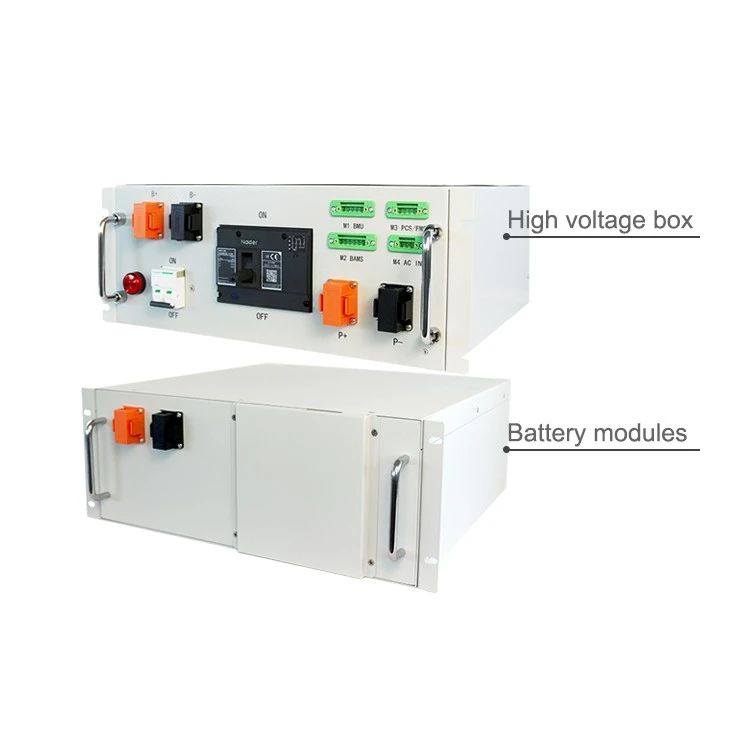
When it comes to selection, we offer a great range of options. For instance, our Commercial Lithium Batteries System is a top - notch choice. Lithium batteries have a high energy density, which means they can store a lot of power in a relatively small space. They also have a longer lifespan compared to other types of batteries, so you won't have to replace them as often.
2. Installation and Placement
Once you've selected the right battery backup system, proper installation is key. It's always a good idea to have a professional handle the installation. They have the knowledge and experience to ensure that everything is connected correctly and safely.
When it comes to placement, make sure the battery backup system is installed in a well - ventilated area. Batteries generate heat during charging and discharging, and proper ventilation helps to dissipate this heat. This can prevent overheating, which can damage the batteries and reduce their lifespan.
Also, keep the system away from sources of moisture and direct sunlight. Moisture can cause corrosion, and excessive heat from sunlight can also affect the performance of the batteries.

3. Regular Maintenance
Maintenance is an ongoing process that can't be ignored. Regularly check the battery backup system for any signs of damage or wear. Look for things like cracked cases, loose connections, or leaking batteries. If you notice any issues, address them immediately.
Keep the batteries clean. Dust and dirt can accumulate on the batteries over time, which can affect their performance. Use a dry cloth to wipe the batteries and remove any debris.
It's also important to test the battery backup system regularly. Most systems have a test button that you can press to check if the system is working properly. This should be done at least once a month. If the system fails the test, it might be time to have it serviced or replaced.
4. Charging and Discharging
Proper charging and discharging are essential for the longevity of your battery backup system. Follow the manufacturer's instructions for charging. Overcharging can damage the batteries, while undercharging can reduce their capacity.
Most modern battery backup systems have built - in charging controllers that help to regulate the charging process. However, it's still a good idea to monitor the charging process, especially during the initial setup.
When it comes to discharging, try to avoid deep discharges. Deep discharges can shorten the lifespan of the batteries. Instead, aim to keep the battery level above a certain percentage, usually around 20 - 30%.
5. Monitoring and Upgrades
Invest in a monitoring system for your battery backup. This can help you keep track of the battery's performance, such as its charge level, temperature, and voltage. There are many monitoring systems available on the market, and some can even send you alerts if there are any issues with the battery.
As technology advances, consider upgrading your battery backup system. Newer models may offer better performance, longer runtimes, or more advanced features. Upgrading can also help you stay compliant with any new regulations or standards.
6. Training for Staff
If your business has multiple employees, make sure they are trained on how to use the battery backup system. They should know how to start and stop the system, how to check the battery status, and what to do in case of an emergency.
Training can also help prevent accidental damage to the system. For example, employees should know not to overload the system by plugging in too many devices.
7. Emergency Preparedness
Have an emergency plan in place for power outages. This should include steps on how to activate the battery backup system, how to prioritize which equipment to keep running, and how to communicate with employees and customers during an outage.
Test your emergency plan regularly to make sure it works. This can help you identify any issues and make necessary adjustments.
Conclusion
Using a commercial battery backup system effectively requires a combination of proper sizing, installation, maintenance, and emergency preparedness. By following these best practices, you can ensure that your battery backup system provides reliable power when you need it most.
If you're interested in learning more about our commercial battery backup systems or have any questions about the best practices, feel free to reach out. We're here to help you find the perfect solution for your business needs. Whether you're looking for a 51.2v 100ah Lithium Battery module or a 48 Volt 100ah Lithium Battery module, we've got you covered. Let's talk and see how we can power up your business!
References
- Various industry reports on battery technology and commercial power backup systems
- Manufacturer's manuals for commercial battery backup systems