

Hey there! As a supplier of lithium iron phosphate home batteries, I've seen firsthand how crucial the thermal management system is for these batteries. In this blog, I'll break down how the thermal management system impacts the performance of a lithium iron phosphate home battery.
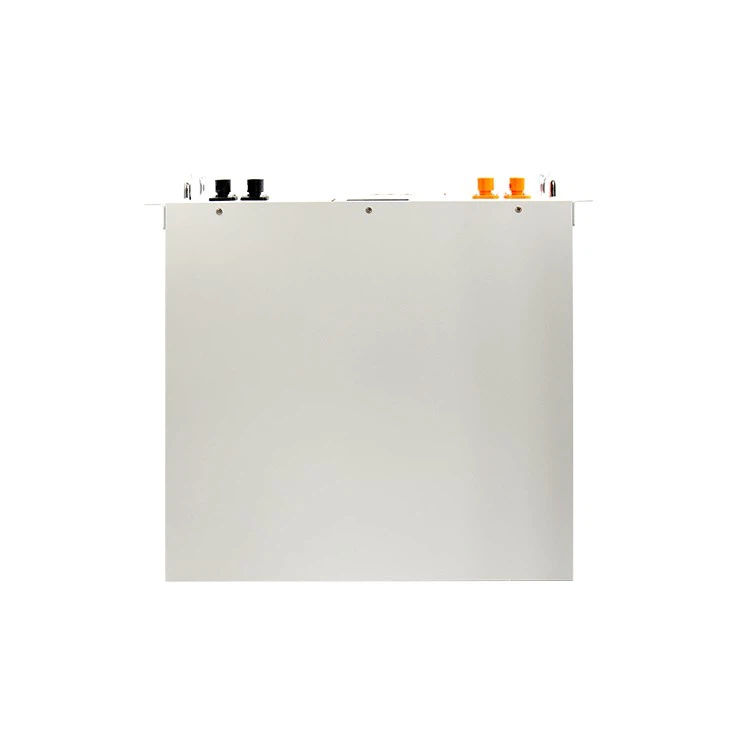
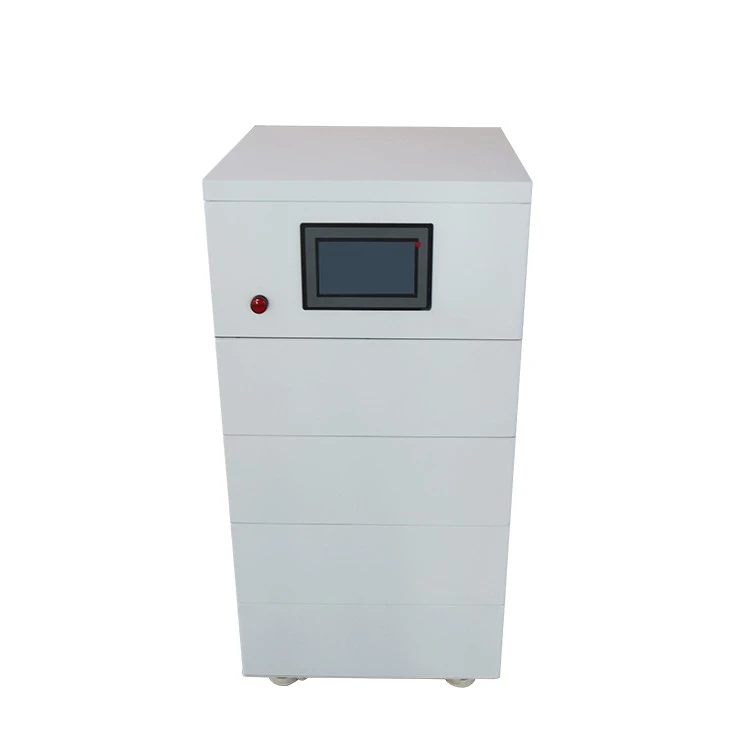
First off, let's talk about what a lithium iron phosphate home battery is. These batteries are becoming super popular for home energy storage. They're known for their long lifespan, high safety, and good performance. You can check out our Lithium Iron Phosphate Battery Backup and Lifepo4 Lithium Iron Phosphate Battery pack on our website to get a better idea of what we offer.
Now, let's dive into the thermal management system. Lithium iron phosphate batteries generate heat during charging and discharging. If this heat isn't managed properly, it can lead to a bunch of problems.
One of the main issues is the impact on battery capacity. When a battery gets too hot, the chemical reactions inside it speed up. This might seem like a good thing at first, but over time, it can cause the battery to degrade faster. The active materials in the battery can break down, reducing the battery's ability to store and release energy. So, a well - functioning thermal management system helps keep the battery at an optimal temperature, which preserves its capacity over the long run.
Another important aspect is safety. Lithium iron phosphate batteries are generally safer than other lithium - based batteries, but excessive heat can still pose risks. High temperatures can cause the electrolyte in the battery to break down, leading to the formation of gases. If the pressure builds up too much, it can cause the battery to swell or even rupture. A good thermal management system dissipates heat effectively, preventing these dangerous situations from occurring. You can also take a look at our 51.2v Lithium Ion Battery Backup which comes with a reliable thermal management system to ensure safety.
The thermal management system also affects the battery's efficiency. When a battery is at the right temperature, the internal resistance is lower. This means that more of the energy stored in the battery can be used effectively, rather than being wasted as heat. So, by maintaining an optimal temperature, the thermal management system helps the battery operate more efficiently.
There are different types of thermal management systems. One common type is air - cooling. This involves using fans to blow air over the battery cells to remove heat. It's a relatively simple and cost - effective solution, but it might not be as efficient in high - heat situations.
Another option is liquid - cooling. In a liquid - cooling system, a coolant is circulated around the battery cells. This method is more efficient at removing heat compared to air - cooling, but it's also more complex and expensive.
Thermal management also plays a role in the battery's charging and discharging speed. If a battery is too hot, it might not be able to handle high - current charging or discharging. The thermal management system helps regulate the temperature so that the battery can charge and discharge at higher rates when needed.
Let's talk about how the thermal management system affects the battery's lifespan. A battery that's constantly exposed to high temperatures will age faster. The components inside the battery will wear out more quickly, and its performance will decline over time. With a proper thermal management system, the battery can operate within a safe temperature range, which extends its lifespan. This is great for homeowners because they won't have to replace their batteries as often.
In addition to all these technical aspects, the thermal management system can also impact the overall user experience. A battery with a good thermal management system is more reliable. You don't have to worry about sudden failures or reduced performance due to overheating. This means you can rely on your home battery to power your appliances and devices when you need them.
Now, you might be wondering how to choose a lithium iron phosphate home battery with a good thermal management system. When you're looking at different products, ask the supplier about the type of thermal management system they use. Find out how efficient it is at removing heat and how well it can maintain a stable temperature.
As a supplier, we take the thermal management of our lithium iron phosphate home batteries very seriously. We've invested a lot of time and resources in developing and testing our thermal management systems to ensure that our batteries perform at their best. Our team of experts is constantly working on improving these systems to make our batteries even more reliable and efficient.
If you're in the market for a lithium iron phosphate home battery, I encourage you to reach out to us. We can provide you with all the information you need about our products, including the details of our thermal management systems. Whether you're looking for a small battery for a backup power supply or a larger system for full - scale home energy storage, we've got you covered.
In conclusion, the thermal management system has a huge impact on the performance of a lithium iron phosphate home battery. It affects capacity, safety, efficiency, lifespan, and the overall user experience. By choosing a battery with a reliable thermal management system, you can ensure that you're getting the most out of your investment. So, don't hesitate to contact us if you have any questions or if you're interested in purchasing one of our batteries. We're here to help you make the right choice for your home energy needs.
References:
- "Lithium - Ion Batteries: Science and Technologies" by Y. - K. Sun, S. - T. Myung, and B. Scrosati
- "Handbook of Batteries" by David Linden and Thomas B. Reddy