

In the dynamic landscape of energy storage, the integration of various energy storage devices is becoming increasingly crucial. As a prominent supplier of ESS Battery System, I have witnessed firsthand the significance of how an ESS battery system interacts with other energy storage devices. This interaction not only enhances the overall efficiency and reliability of the energy storage infrastructure but also plays a vital role in meeting the diverse energy needs of modern society.
Understanding the Basics of ESS Battery Systems
Before delving into the interaction between ESS battery systems and other energy storage devices, it is essential to understand the fundamentals of ESS battery systems. An ESS battery system consists of multiple components, including ESS module battery and ESS Battery Pack, which work together to store and release electrical energy. These systems are designed to provide a stable and reliable source of power, especially in situations where the demand for electricity fluctuates.
The core of an ESS battery system is the battery module, which is composed of multiple battery cells connected in series or parallel. These modules are then assembled into battery packs, which are further integrated into the overall ESS battery system. The ESS battery system is typically equipped with a battery management system (BMS) that monitors and controls the charging and discharging processes of the batteries, ensuring their safety and optimal performance.
Interaction with Other Energy Storage Devices
1. Complementary Energy Storage Technologies
ESS battery systems can interact with other energy storage technologies in a complementary manner. For example, they can be combined with pumped hydro storage, which is a well - established large - scale energy storage technology. Pumped hydro storage uses excess electricity to pump water from a lower reservoir to a higher one. When electricity is needed, the water is released to flow through turbines and generate electricity.
ESS battery systems can provide rapid response to short - term fluctuations in electricity demand, while pumped hydro storage can handle large - scale, long - term energy storage. During periods of low electricity demand, the ESS battery system can store excess electricity and then discharge it when the demand suddenly spikes. If the demand remains high for an extended period, the pumped hydro storage system can be activated to meet the long - term energy needs.
2. Hybrid Energy Storage Systems
Hybrid energy storage systems that combine ESS battery systems with other types of batteries, such as flow batteries or supercapacitors, are also gaining popularity. Flow batteries have a high energy density and can store large amounts of energy for a relatively long time. Supercapacitors, on the other hand, can charge and discharge very quickly, providing high - power output for short periods.
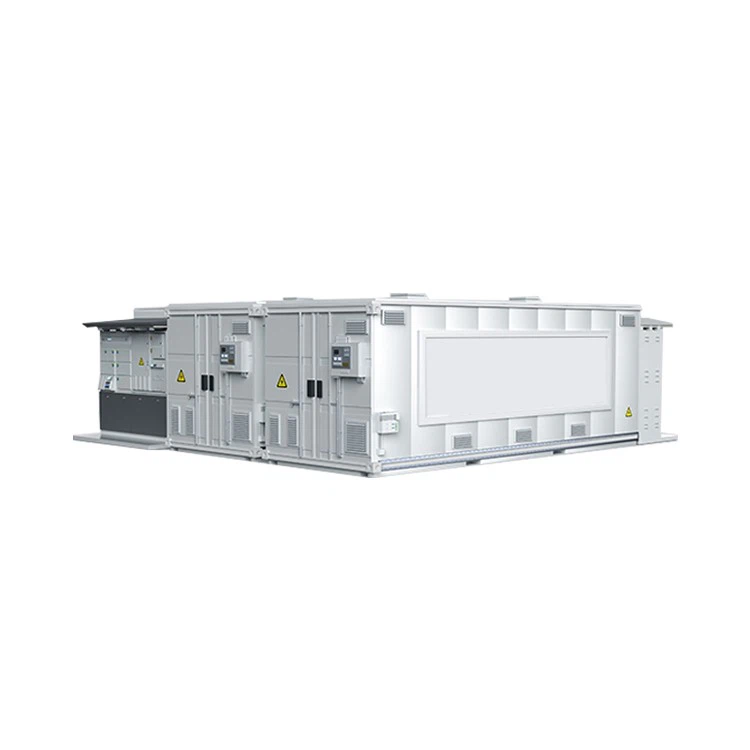

In a hybrid energy storage system, the ESS battery system can work in tandem with flow batteries and supercapacitors. For instance, when there is a sudden surge in power demand, the supercapacitor can quickly release its stored energy to meet the immediate need. The ESS battery system can then take over to provide a more sustained power supply. If the energy storage needs are for a long - term, the flow battery can be used to store and release energy over an extended period.
3. Integration with Renewable Energy Sources
ESS battery systems play a crucial role in integrating renewable energy sources, such as solar and wind, into the power grid. Renewable energy sources are intermittent, meaning that their power output fluctuates depending on weather conditions. ESS battery systems can store the excess electricity generated by solar panels or wind turbines during periods of high production and release it when the production is low.
In addition to storing energy, ESS battery systems can also interact with other energy storage devices used in renewable energy systems. For example, some solar power plants use thermal energy storage systems to store heat energy, which can be converted into electricity later. The ESS battery system can work with the thermal energy storage system to ensure a continuous and stable power supply. When the solar power output is high, the excess electricity can be used to charge the ESS battery system and also to store heat in the thermal energy storage system. When the solar power output drops, the ESS battery system can provide immediate power, and the thermal energy storage system can gradually release its stored energy to generate electricity.
Technical Considerations for Interaction
1. Compatibility and Communication
One of the key technical considerations for the interaction between an ESS battery system and other energy storage devices is compatibility. The different energy storage devices must be able to communicate with each other effectively. This requires the use of standardized communication protocols and interfaces. For example, the ESS battery system and other energy storage devices should be able to exchange information about their state of charge, power output, and operating conditions.
The battery management system (BMS) in the ESS battery system plays a crucial role in this communication process. It can be programmed to interact with the control systems of other energy storage devices, ensuring that they work together in a coordinated manner. For example, if the ESS battery system detects that the state of charge of another energy storage device is low, it can adjust its own charging and discharging processes to support the overall energy storage system.
2. Power Electronics
Power electronics are another important aspect of the interaction between ESS battery systems and other energy storage devices. Power electronics are used to convert and control the electrical energy flowing between different energy storage devices. For example, in a hybrid energy storage system, power electronics are needed to convert the DC power from the ESS battery system and other batteries into AC power that can be fed into the power grid.
The power electronics should be designed to handle the different voltage and current levels of the various energy storage devices. They should also be able to regulate the power flow between the devices to ensure efficient and stable operation. For instance, when the ESS battery system is charging from another energy storage device, the power electronics can control the charging current to prevent overcharging and ensure the safety of the batteries.
Benefits of Interaction
1. Enhanced Energy Efficiency
The interaction between ESS battery systems and other energy storage devices can significantly enhance the overall energy efficiency of the energy storage infrastructure. By combining different energy storage technologies, the system can make better use of the available energy resources. For example, in a hybrid energy storage system, each device can operate at its optimal efficiency point. The ESS battery system can be used for short - term energy storage and high - frequency power regulation, while other devices can handle long - term energy storage and large - scale power output.
2. Improved Reliability and Resilience
Integrating ESS battery systems with other energy storage devices improves the reliability and resilience of the power supply. In the event of a failure or disruption in one energy storage device, the other devices can continue to provide power. For example, if the ESS battery system experiences a temporary malfunction, the pumped hydro storage system or the flow battery can still supply electricity to meet the demand. This redundancy helps to ensure a continuous and stable power supply, especially in critical applications such as hospitals and data centers.
3. Cost - Effectiveness
In some cases, the interaction between ESS battery systems and other energy storage devices can lead to cost - savings. Instead of relying solely on a single energy storage technology, which may be expensive to scale up, a combination of different devices can be more cost - effective. For example, using a smaller ESS battery system in combination with a pumped hydro storage system can reduce the overall investment cost while still meeting the energy storage requirements.
Conclusion
The interaction between an ESS battery system and other energy storage devices is a complex but highly beneficial process. As a supplier of ESS Battery System, we are committed to providing high - quality products that can effectively interact with various energy storage technologies. Our ESS battery systems are designed with advanced features and technologies to ensure seamless integration with other energy storage devices.
If you are interested in exploring the potential of integrating our ESS battery systems with your existing or planned energy storage infrastructure, we invite you to contact us for a detailed discussion. Our team of experts is ready to assist you in finding the most suitable solutions for your specific energy storage needs. Whether you are looking to enhance the efficiency of your renewable energy system, improve the reliability of your power supply, or reduce your energy costs, our ESS battery systems can play a crucial role in achieving your goals.
References
- "Energy Storage Handbook", edited by the Electric Power Research Institute (EPRI).
- "Battery Energy Storage Systems: Design and Optimization", by M. A. Rahman.
- Research papers on energy storage integration from IEEE Transactions on Power Systems.