

As a supplier of lithium batteries for home use, I often encounter homeowners who are unsure whether their homes need a lithium battery. In this blog post, I'll share some key indicators to help you determine if a lithium battery is a good fit for your home.
Understanding the Basics of Home Lithium Batteries
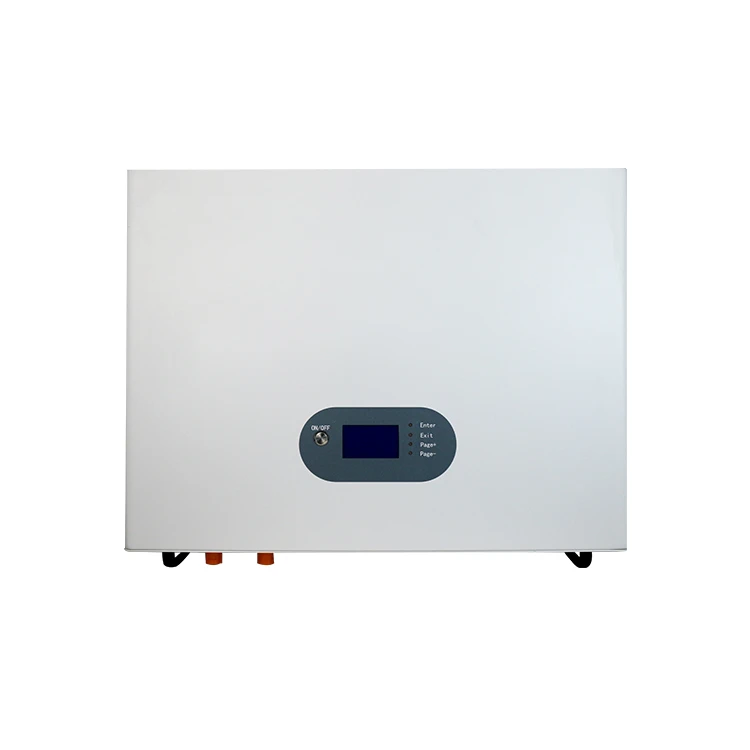
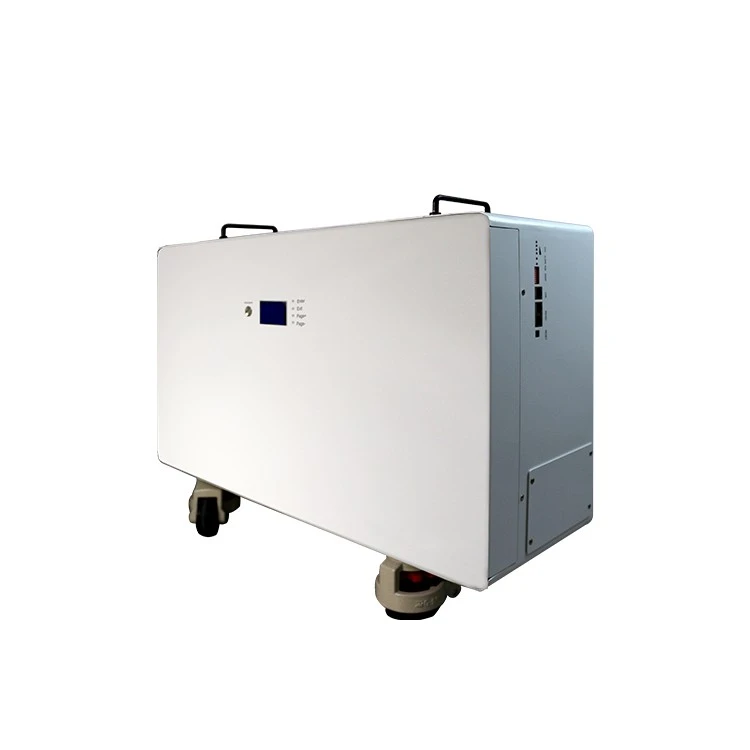
Before diving into the signs that your home might need a lithium battery, let's briefly understand what these batteries are. Lithium batteries, specifically Lithium Storage Battery Systems, are energy storage solutions that can store electricity generated from various sources, such as solar panels or the grid. They are known for their high energy density, long lifespan, and relatively low maintenance requirements compared to other battery types.
High Electricity Bills
One of the most obvious signs that your home could benefit from a lithium battery is high electricity bills. If you find yourself paying a significant amount each month for electricity, a lithium battery can help you reduce these costs. For instance, if you have solar panels installed on your roof, a lithium battery can store the excess energy generated during the day. This stored energy can then be used during peak hours when electricity rates are typically higher. By using the stored energy instead of drawing power from the grid, you can significantly lower your electricity bills.
Moreover, some utility companies offer time - of - use rates, where electricity is cheaper during off - peak hours. With a Lithium Battery for Home Use, you can charge the battery during these off - peak hours and use the stored energy when rates are high. This strategy, known as load shifting, can lead to substantial savings over time.
Frequent Power Outages
If you live in an area prone to power outages, a lithium battery can provide a reliable backup power source. Traditional generators can be noisy, require regular maintenance, and emit harmful fumes. In contrast, lithium batteries are silent, low - maintenance, and environmentally friendly. They can automatically kick in when the power goes out, ensuring that your essential appliances, such as refrigerators, lights, and medical equipment, continue to function.
A lithium ion battery storage packs can be sized according to your specific needs. For example, if you only need to power a few essential devices during an outage, a smaller battery pack may be sufficient. However, if you want to keep your entire home running, you'll need a larger and more powerful battery system.
Inconsistent Renewable Energy Supply
If you rely on renewable energy sources like solar or wind power, you may experience inconsistent energy supply. Solar panels only generate electricity during the day, and wind turbines depend on the availability of wind. A lithium battery can act as a buffer, storing the energy generated during periods of high production and releasing it when production is low.
This ensures a more stable and reliable energy supply for your home. For example, on a cloudy day, your solar panels may not produce enough electricity to meet your needs. But if you have a lithium battery that has been charged on sunny days, you can use the stored energy to power your home until the sun comes out again.
Desire for Energy Independence
Many homeowners are looking to reduce their reliance on the grid and achieve energy independence. A lithium battery can play a crucial role in this process. By storing energy from renewable sources, you can become less dependent on the electricity provided by utility companies. This not only gives you more control over your energy usage but also reduces your carbon footprint.
With a lithium battery system, you can generate, store, and use your own electricity, making your home more self - sufficient. This is especially appealing for those who are environmentally conscious and want to contribute to a more sustainable future.
Evaluating Your Home's Energy Needs
To determine if a lithium battery is right for your home, you need to evaluate your energy consumption. Start by looking at your past electricity bills to understand your average daily and monthly energy usage. Consider the types of appliances you use and their power requirements. For example, large appliances like air conditioners and electric heaters consume a significant amount of energy.
You also need to consider your future energy plans. If you're planning to install more energy - consuming appliances or if you expect your family size to increase, you'll need a larger battery system to meet the additional energy demand.
Cost - Benefit Analysis
While lithium batteries can offer many benefits, they also come with a cost. When considering whether to invest in a lithium battery for your home, it's important to conduct a cost - benefit analysis. Calculate the upfront cost of purchasing and installing the battery system, as well as the potential savings on your electricity bills over its lifespan.
Some governments and utility companies offer incentives, such as tax credits or rebates, for installing energy storage systems. These incentives can significantly reduce the upfront cost and make the investment more attractive.
Installation and Maintenance
Installing a lithium battery system requires professional expertise. It's important to work with a qualified installer who can ensure that the system is installed safely and correctly. Additionally, while lithium batteries are generally low - maintenance, they still require some level of care.
Regularly monitoring the battery's performance and following the manufacturer's recommended maintenance procedures will help ensure its longevity and optimal performance.
Making the Decision
If you've determined that your home meets one or more of the criteria mentioned above, then a lithium battery could be a great addition to your home. As a supplier of Lithium Battery for Home Use, I'm here to help you make an informed decision. We offer a wide range of lithium battery systems to suit different energy needs and budgets.
If you're interested in learning more about our products or would like to discuss your home's specific requirements, I encourage you to reach out to us. We can provide you with detailed information, answer your questions, and help you choose the right lithium battery system for your home.
Conclusion
In conclusion, there are several signs that indicate your home may need a lithium battery, including high electricity bills, frequent power outages, inconsistent renewable energy supply, and a desire for energy independence. By evaluating your home's energy needs, conducting a cost - benefit analysis, and considering the installation and maintenance aspects, you can make an informed decision about whether a lithium battery is the right choice for you.
If you think your home could benefit from a lithium battery, don't hesitate to contact us. We're here to assist you in your journey towards a more energy - efficient and sustainable home.
References
- "Energy Storage Systems: A Guide for Homeowners", U.S. Department of Energy
- "The Economics of Residential Energy Storage", National Renewable Energy Laboratory
- "Lithium - Ion Batteries for Home Energy Storage: A Review", Journal of Power Sources