

When considering the installation of commercial battery backup systems, one of the most frequently asked questions is whether these systems require a dedicated room. As a supplier of commercial battery backup systems, I've encountered this query numerous times from our clients, ranging from small - scale businesses to large industrial complexes. In this blog, I'll delve into the factors that determine if a dedicated room is necessary for the installation of these systems.
Safety Considerations
Safety is the primary concern when it comes to installing commercial battery backup systems. Batteries, especially large - scale ones used in commercial settings, can pose risks such as fire, explosion, and the release of toxic gases. For instance, lead - acid batteries can emit hydrogen gas during charging, which is highly flammable. Lithium - ion batteries, on the other hand, have the potential to overheat and cause thermal runaway, a condition where the battery self - heats uncontrollably and can lead to a fire.
A dedicated room can provide a controlled environment that minimizes these risks. It can be equipped with proper ventilation systems to disperse any potentially hazardous gases. For example, a ventilation system can be designed to maintain a certain air exchange rate, ensuring that the concentration of flammable or toxic gases remains below the dangerous level. Additionally, a dedicated room can be separated from other areas of the building by fire - resistant walls, which can prevent the spread of fire in case of a battery malfunction.
Temperature and Humidity Control
Commercial battery backup systems are sensitive to temperature and humidity. Extreme temperatures can affect the performance and lifespan of the batteries. High temperatures can accelerate the chemical reactions inside the batteries, leading to faster degradation and reduced capacity. Low temperatures, on the other hand, can increase the internal resistance of the batteries, reducing their ability to deliver power.
A dedicated room allows for better temperature and humidity control. HVAC (Heating, Ventilation, and Air Conditioning) systems can be installed to maintain an optimal temperature range for the batteries. For lithium - ion batteries, the ideal operating temperature is typically between 20°C and 25°C. By controlling the temperature and humidity, we can ensure that the batteries operate at their best, maximizing their efficiency and lifespan. You can learn more about our Lithium Battery Module for home, which also benefits from proper temperature and humidity control.
Maintenance and Accessibility
Regular maintenance is essential for the proper functioning of commercial battery backup systems. A dedicated room provides easy access for maintenance personnel. They can perform tasks such as battery inspections, testing, and replacement without disturbing the normal operations of the business. In a shared or open - access area, it may be difficult to carry out these tasks safely and efficiently.
Moreover, a dedicated room can be designed with proper storage for spare parts and maintenance tools. This ensures that everything needed for maintenance is readily available, reducing downtime in case of a battery issue.
Noise and Vibration
Some commercial battery backup systems, especially those with large inverters or cooling fans, can generate noise and vibration. In a business environment, excessive noise can be a distraction to employees and customers. Vibration can also cause damage to nearby equipment or structures over time.
A dedicated room can act as a sound - proof and vibration - isolating enclosure. Special insulation materials can be used to reduce the transmission of noise and vibration to other parts of the building. This creates a more comfortable and safe working environment.
Space Requirements
The size of the commercial battery backup system is another factor to consider. Larger systems with a high capacity require more space. If the system is too large to be installed in a regular utility closet or an existing room, a dedicated room may be the only option.
It's important to note that the space should not only accommodate the batteries but also allow for proper clearance around the equipment for ventilation and maintenance. For example, there should be a certain distance between the batteries and the walls to ensure adequate air circulation.
Cost - Benefit Analysis
Installing a dedicated room for a commercial battery backup system incurs additional costs. These costs include the construction or renovation of the room, the installation of HVAC and ventilation systems, and the cost of fire - resistant materials. However, when considering the long - term benefits, such as improved safety, extended battery lifespan, and reduced maintenance costs, the investment in a dedicated room may be justified.
On the other hand, for smaller commercial battery backup systems or businesses with limited budgets, it may be possible to install the system in an existing room with proper modifications. For example, a well - ventilated utility closet can be used if it meets the safety and environmental requirements.
When a Dedicated Room May Not Be Necessary
In some cases, a dedicated room may not be required. For small - scale commercial battery backup systems with low power requirements, such as those used in small offices or retail stores, an existing utility room or a corner of a storage area may be sufficient. These systems are usually less prone to generating excessive heat, noise, or hazardous gases.
Additionally, if the battery technology used is inherently safe, such as some new - generation lithium - ion batteries with advanced safety features, the need for a dedicated room may be reduced. However, it's still important to ensure that the installation location meets the basic safety and environmental requirements.
Our Commercial Battery Backup Solutions
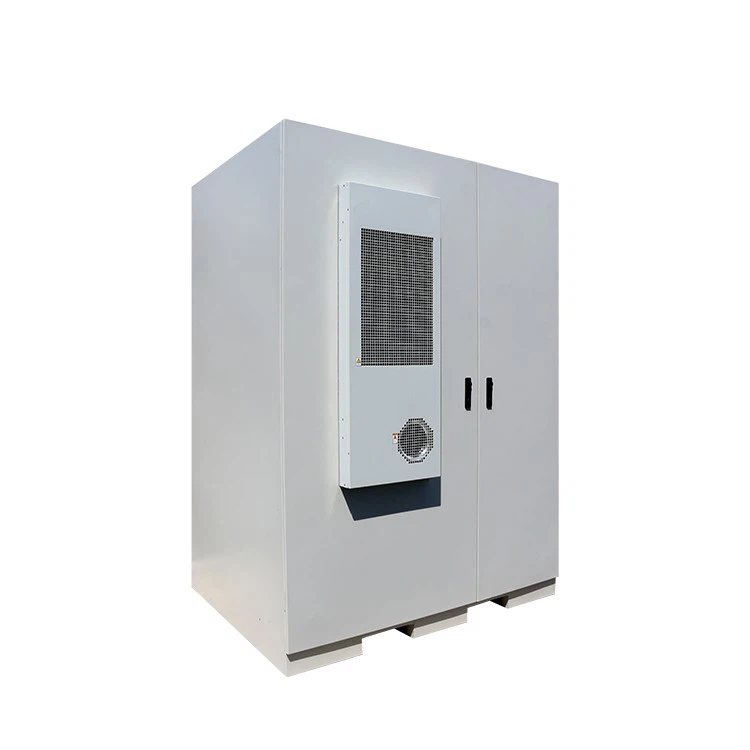
At our company, we offer a wide range of Commercial Battery Backup Systems to meet the diverse needs of our clients. Our Commercial Industrial Battery Storage Systems are designed with safety, efficiency, and reliability in mind.
Whether you need a system for a small business or a large industrial facility, our team of experts can help you determine if a dedicated room is necessary for the installation. We'll conduct a detailed assessment of your requirements, including the power capacity, safety regulations, and environmental conditions.

Conclusion
In conclusion, while commercial battery backup systems do not always require a dedicated room for installation, there are many factors that make a dedicated room a preferable option. Safety, temperature and humidity control, maintenance accessibility, noise and vibration reduction, and space requirements are all important considerations.
If you're in the market for a commercial battery backup system, we encourage you to reach out to us for a consultation. Our experienced team can provide you with the best solutions tailored to your specific needs. Contact us today to start the conversation about your commercial battery backup requirements.
References
- "Battery Safety Guidelines for Commercial Applications", Battery Manufacturers Association
- "Temperature and Humidity Effects on Battery Performance", Journal of Energy Storage
- "Noise and Vibration Control in Electrical Equipment", Institute of Electrical and Electronics Engineers