

Hey there! As a supplier of ESS (Energy Storage System) battery systems, I often get asked if an ESS battery system can be used for load leveling. Well, the short answer is yes, and in this blog, I'll dive deep into how and why it works.
What is Load Leveling?
First things first, let's understand what load leveling is. In simple terms, load leveling is the process of balancing the electricity demand on the power grid. Electricity consumption isn't constant throughout the day. There are peak hours when everyone's using a lot of power, like in the evenings when people get home from work, turn on their lights, TVs, and start cooking. And then there are off - peak hours when the demand drops significantly, like in the middle of the night.
This uneven demand can be a headache for power grid operators. Generating too much electricity during off - peak hours is wasteful, and not having enough during peak hours can lead to blackouts or brownouts. That's where load leveling comes in. The goal is to smooth out the demand curve, making it more predictable and efficient for power generation and distribution.
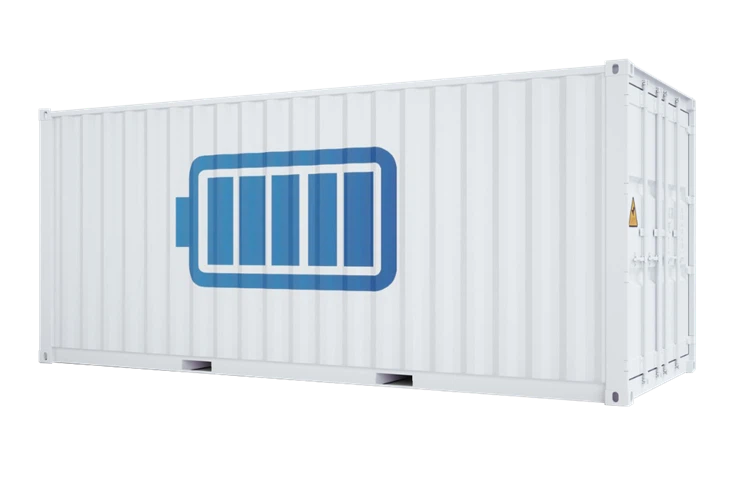
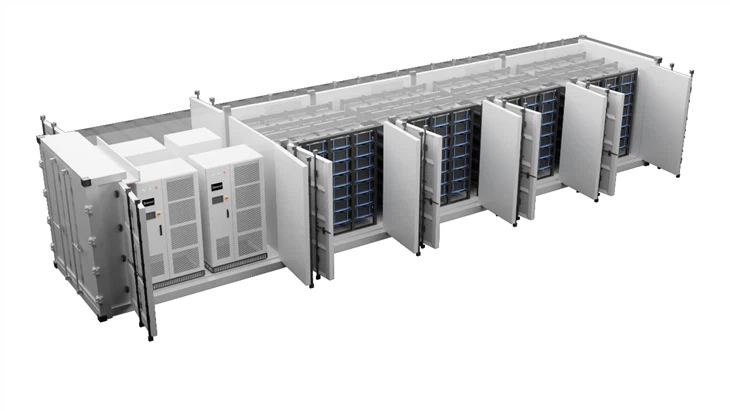
How ESS Battery Systems Can Help with Load Leveling
Now, let's talk about how our ESS battery systems fit into the load - leveling picture. Our ESS Battery Pack is designed to store excess electricity during off - peak hours. When the demand is low, and there's more power being generated than needed, the battery system charges up. It's like filling up a water tank when the water supply is abundant.
During peak hours, when the demand for electricity spikes, the ESS battery system discharges the stored energy back into the grid. This additional power helps meet the increased demand without having to fire up extra power plants. It's a win - win situation. Power grid operators can avoid the high costs associated with starting and stopping additional power generation units, and consumers get a more reliable power supply.
The Advantages of Using ESS Battery Systems for Load Leveling
Cost - Efficiency
One of the biggest advantages is cost - efficiency. Building new power plants to meet peak demand is extremely expensive. Not only do you have to invest in the construction of the plant, but there are also ongoing maintenance and operational costs. Our lithium ion battery ess container offers a more cost - effective solution. Once installed, the battery system can be charged and discharged multiple times, providing a long - term solution for load leveling at a fraction of the cost of building new power generation facilities.
Environmental Benefits
Another major plus is the environmental impact. Many traditional power plants rely on fossil fuels, which release harmful greenhouse gases into the atmosphere. By using ESS battery systems for load leveling, we can reduce the need for these fossil - fuel - based power plants. The stored energy in our ess module battery can come from renewable sources like solar or wind. This means we're not only balancing the load but also promoting a cleaner and greener energy future.
Improved Grid Stability
ESS battery systems also contribute to improved grid stability. Sudden changes in electricity demand can cause voltage fluctuations and frequency variations in the power grid. These fluctuations can damage electrical equipment and disrupt the normal operation of the grid. Our ESS battery systems can quickly respond to these changes, injecting or absorbing power as needed to maintain a stable voltage and frequency. This makes the power grid more reliable and less prone to outages.
Real - World Examples
There are already many real - world examples of ESS battery systems being used for load leveling. In some regions with a high penetration of renewable energy sources, like solar and wind, the power output can be quite variable. During sunny or windy days, there may be an oversupply of electricity, while at night or on calm days, the supply may drop. ESS battery systems are being used to store the excess energy generated during peak production times and release it when the renewable energy sources are not producing enough.
For instance, in some large industrial complexes, our ESS battery systems have been installed to manage the internal power demand. These complexes often have high - power equipment that can cause significant fluctuations in electricity consumption. By using our battery systems for load leveling, they can avoid peak demand charges from the utility company and ensure a more stable power supply for their operations.
Challenges and Solutions
Of course, like any technology, there are some challenges associated with using ESS battery systems for load leveling. One of the main challenges is the high upfront cost of installation. However, as the technology continues to develop and economies of scale come into play, the cost of ESS battery systems is gradually decreasing.
Another challenge is the limited lifespan of batteries. Over time, the battery's capacity to store and discharge energy will degrade. But our R & D team is constantly working on improving battery technology to increase the lifespan and performance of our ESS Battery Pack. We also offer comprehensive maintenance and replacement services to ensure that our customers get the most out of their battery systems.
Conclusion
In conclusion, an ESS battery system can definitely be used for load leveling. It offers a cost - effective, environmentally friendly, and reliable solution for balancing the electricity demand on the power grid. Whether you're a power grid operator looking to improve grid stability, a large industrial complex aiming to reduce energy costs, or a region with a high share of renewable energy, our ESS battery systems can meet your needs.
If you're interested in learning more about how our ESS battery systems can help with load leveling or if you're considering a purchase, don't hesitate to reach out. We're here to answer all your questions and help you find the best solution for your specific situation. Let's work together to create a more efficient and sustainable energy future.
References
- "Energy Storage for Power Systems: An Overview of Technologies, Modeling, and Applications" by X. Fang, S. Misra, G. Xue, and D. S. Kirschen.
- "Battery Energy Storage Technology for Power Systems - An Overview" by J. E. H. Willems, B. G. P. van der Schaft, and J. L. Scherer.