

As a leading supplier of ESS battery packs, I often encounter questions from customers about the upgradeability of these essential energy storage solutions. In this blog post, I will delve into the topic of whether an ESS battery pack can be upgraded, exploring the technical, economic, and practical aspects of such an endeavor.
Understanding ESS Battery Packs
Before discussing the upgradeability of ESS battery packs, it's important to understand what they are and how they function. An ESS, or Energy Storage System, is designed to store electrical energy for later use. These systems are crucial for balancing the grid, integrating renewable energy sources, and providing backup power. ESS battery packs are the core component of these systems, storing energy in chemical form and releasing it as electricity when needed.
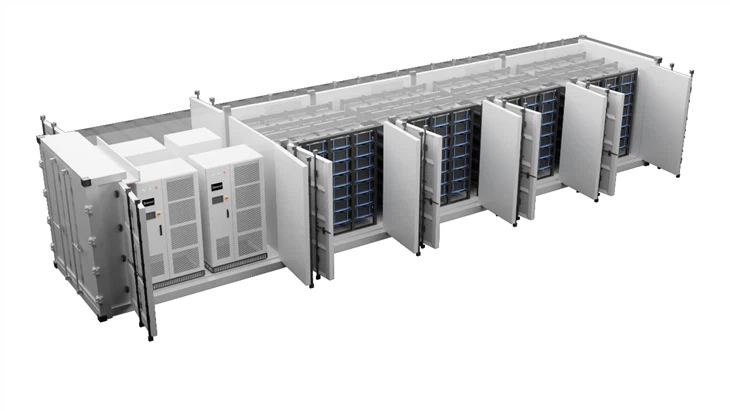
The ESS Battery System typically consists of multiple ess module battery connected in series or parallel to achieve the desired voltage and capacity. These modules are often housed in lithium ion battery ess container for protection and ease of installation.
Technical Feasibility of Upgrading ESS Battery Packs
The technical feasibility of upgrading an ESS battery pack depends on several factors, including the battery chemistry, the design of the battery management system (BMS), and the overall system architecture.
Battery Chemistry
Different battery chemistries have different characteristics in terms of energy density, cycle life, and safety. For example, lithium-ion batteries are widely used in ESS applications due to their high energy density and long cycle life. However, as technology advances, new battery chemistries may offer even better performance. Upgrading the battery chemistry of an ESS battery pack can potentially increase its energy storage capacity and improve its overall efficiency.
Battery Management System (BMS)
The BMS is responsible for monitoring and controlling the charging and discharging of the battery pack. It ensures the safety and optimal performance of the battery by regulating the voltage, current, and temperature. When considering an upgrade, the BMS must be compatible with the new battery configuration. In some cases, the BMS may need to be upgraded or replaced to support the new battery chemistry or increased capacity.

System Architecture
The overall system architecture of the ESS also plays a crucial role in the upgradeability of the battery pack. If the system is designed with modularity in mind, it may be easier to upgrade individual components or add additional battery modules. However, if the system is a custom design with limited flexibility, upgrading the battery pack may be more challenging.
Economic Considerations
In addition to the technical feasibility, the economic viability of upgrading an ESS battery pack is an important factor to consider. Upgrading a battery pack can involve significant costs, including the cost of the new batteries, installation, and any necessary modifications to the BMS or other system components.
Cost-Benefit Analysis
Before deciding to upgrade an ESS battery pack, it's important to conduct a cost-benefit analysis. This analysis should consider the potential benefits of the upgrade, such as increased energy storage capacity, improved efficiency, and extended lifespan, against the costs of the upgrade. In some cases, the cost of upgrading may be justified by the long-term savings in energy costs or the increased value of the system.
Return on Investment (ROI)
The ROI of upgrading an ESS battery pack is another important consideration. A higher ROI indicates that the upgrade is more likely to be economically viable. Factors that can affect the ROI include the cost of the upgrade, the expected increase in energy storage capacity, and the market price of electricity.
Practical Considerations
In addition to the technical and economic factors, there are several practical considerations to keep in mind when upgrading an ESS battery pack.
Compatibility with Existing Infrastructure
When upgrading an ESS battery pack, it's important to ensure that the new batteries are compatible with the existing infrastructure, including the inverter, charger, and other system components. In some cases, modifications may be required to ensure proper operation.
Regulatory Requirements
Upgrading an ESS battery pack may also be subject to regulatory requirements. Depending on the location and the type of system, there may be specific regulations regarding the installation, operation, and disposal of battery systems. It's important to consult with local authorities and regulatory agencies to ensure compliance.
Maintenance and Support
After upgrading an ESS battery pack, it's important to have a plan in place for maintenance and support. This includes regular inspections, testing, and replacement of components as needed. Having a reliable maintenance and support team can help ensure the long-term performance and reliability of the system.
Conclusion
In conclusion, the upgradeability of an ESS battery pack depends on several factors, including the technical feasibility, economic viability, and practical considerations. While upgrading a battery pack can potentially offer significant benefits, it's important to carefully evaluate the costs and benefits before making a decision.
As a supplier of ESS battery packs, we are committed to providing our customers with the best solutions for their energy storage needs. If you are considering upgrading your ESS battery pack, we encourage you to contact us to discuss your options. Our team of experts can help you evaluate the feasibility of an upgrade and provide you with a customized solution that meets your specific requirements.
References
- Battery University. (n.d.). Lithium-ion Battery Basics. Retrieved from https://batteryuniversity.com/learn/article/lithium_ion_basics
- U.S. Department of Energy. (n.d.). Energy Storage Technologies. Retrieved from https://www.energy.gov/eere/energystorage/energy-storage-technologies