

As a supplier of ESS battery packs, I often encounter customers who are eager to understand the installation requirements for these essential energy storage solutions. In this blog, I'll delve into the key aspects of installing an ESS battery pack, providing detailed insights to help you make informed decisions.
1. Site Selection
The first step in installing an ESS battery pack is choosing the right site. The location should meet several criteria to ensure the safety and efficiency of the system.
1.1 Environmental Conditions
The site should be protected from extreme temperatures, humidity, and direct sunlight. Most lithium-ion battery packs, which are commonly used in ESS systems, operate best within a temperature range of -20°C to 60°C. High temperatures can accelerate battery degradation, while low temperatures can reduce the battery's capacity and performance. Therefore, if the site is in an area with harsh weather conditions, proper insulation and climate control measures may be required.
1.2 Ventilation
Good ventilation is crucial for dissipating heat generated during battery operation. Inadequate ventilation can lead to overheating, which not only affects the battery's performance but also poses a safety risk. The installation area should have sufficient air circulation to prevent the buildup of heat and potentially harmful gases. For large-scale ESS battery installations, mechanical ventilation systems may be necessary.
1.3 Structural Integrity
The installation site must have a stable and strong foundation to support the weight of the ESS battery pack. Battery packs can be quite heavy, especially for large-capacity systems. The floor or platform where the battery will be placed should be able to withstand the load without any risk of structural failure.
2. Electrical Requirements
Proper electrical connections are essential for the safe and efficient operation of an ESS battery pack.
2.1 Power Supply
The battery pack needs to be connected to a reliable power source. This may involve connecting to the grid or a renewable energy source such as solar panels or wind turbines. The power supply should be able to provide the necessary voltage and current to charge the battery pack.
2.2 Wiring and Cabling
High-quality wiring and cabling are required to ensure a secure and efficient electrical connection. The cables should be rated for the appropriate voltage and current to prevent overheating and electrical faults. Additionally, proper grounding is necessary to protect the system from electrical surges and ensure the safety of the installation.
2.3 Protection Devices
To safeguard the ESS battery pack and the connected electrical system, various protection devices should be installed. These may include circuit breakers, fuses, and surge protectors. These devices can prevent overcharging, over-discharging, and short circuits, which can damage the battery and pose a safety hazard.
3. Safety Considerations
Safety is of utmost importance when installing an ESS battery pack.
3.1 Fire Prevention
Battery fires can be extremely dangerous, so fire prevention measures are essential. The installation area should be equipped with fire suppression systems, such as sprinklers or fire extinguishers. Additionally, the battery pack should be installed in a fire-resistant enclosure to contain any potential fires.
3.2 Gas Detection
Some battery chemistries, such as lithium-ion, can produce flammable gases during operation. Gas detection systems should be installed to monitor the air for the presence of these gases. If a gas leak is detected, appropriate measures can be taken to prevent a fire or explosion.

3.3 Emergency Shutdown
An emergency shutdown system should be in place to quickly disconnect the battery pack from the power source in case of an emergency. This can help prevent further damage and ensure the safety of personnel.
4. Installation Process
The installation of an ESS battery pack should be carried out by trained professionals.
4.1 Assembly
The battery pack components need to be assembled correctly according to the manufacturer's instructions. This may involve connecting individual battery cells, modules, and other components.
4.2 Testing
Once the battery pack is assembled, it should be thoroughly tested to ensure proper operation. This includes testing the charging and discharging functions, as well as the performance of the protection devices.
4.3 Commissioning
After testing, the ESS battery pack can be commissioned. This involves connecting the battery pack to the power source and integrating it with the overall energy system.
5. Maintenance Requirements
Regular maintenance is necessary to ensure the long-term performance and safety of the ESS battery pack.
5.1 Inspection
Periodic inspections should be carried out to check for any signs of damage or wear. This includes inspecting the battery cells, wiring, and protection devices.
5.2 Battery Management System (BMS)
The BMS is an important component of the ESS battery pack. It monitors the battery's state of charge, temperature, and other parameters. Regular maintenance of the BMS is necessary to ensure its proper operation.
5.3 Replacement
Over time, the battery cells may need to be replaced. This is typically determined by the battery's capacity and performance. The replacement process should be carried out by trained professionals to ensure the safety and reliability of the system.
Conclusion
Installing an ESS battery pack requires careful consideration of various factors, including site selection, electrical requirements, safety considerations, installation process, and maintenance requirements. By following these guidelines, you can ensure the safe and efficient operation of your ESS battery pack.
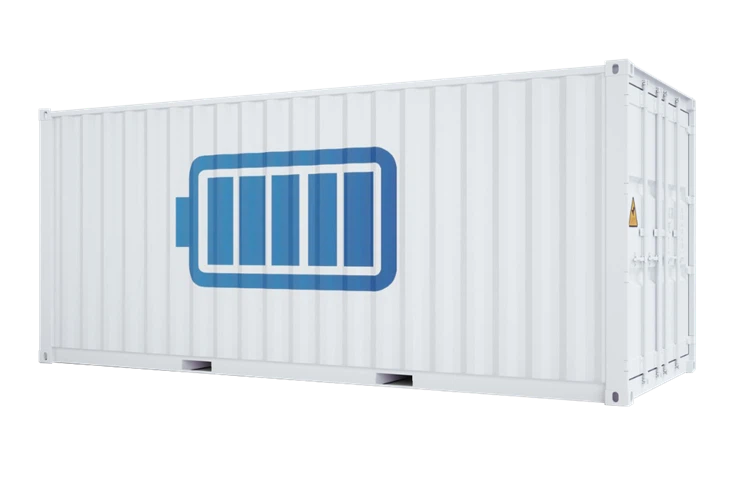
If you're interested in purchasing an ESS Battery Pack, our company offers high-quality products that meet the highest standards of safety and performance. Our ESS Battery System and lithium ion battery ess container are designed to provide reliable energy storage solutions for a wide range of applications.
We're here to assist you with your energy storage needs. If you have any questions or would like to discuss a potential purchase, please don't hesitate to reach out. We look forward to working with you to find the best ESS battery solution for your requirements.
References
- Battery Council International. (2023). Battery Installation and Maintenance Guidelines.
- International Electrotechnical Commission. (2022). Safety Requirements for Secondary Batteries and Battery Packs for Use in Portable Applications.
- National Fire Protection Association. (2021). NFPA 855: Standard for the Installation of Stationary Energy Storage Systems.