

Can a lithium battery for home backup be used in a data center?
As a supplier of lithium batteries for home backup, I often receive inquiries about the potential use of our products in data centers. This is a fascinating topic that requires a comprehensive understanding of both home backup lithium batteries and the unique requirements of data centers. In this blog post, I will explore whether a lithium battery for home backup can be used in a data center, considering various technical, economic, and practical aspects.
Technical Considerations
Capacity and Power Requirements
Data centers have extremely high power demands. They house numerous servers, networking equipment, and cooling systems that need to run continuously. The power consumption of a data center can range from a few kilowatts for small facilities to megawatts for large - scale data centers.
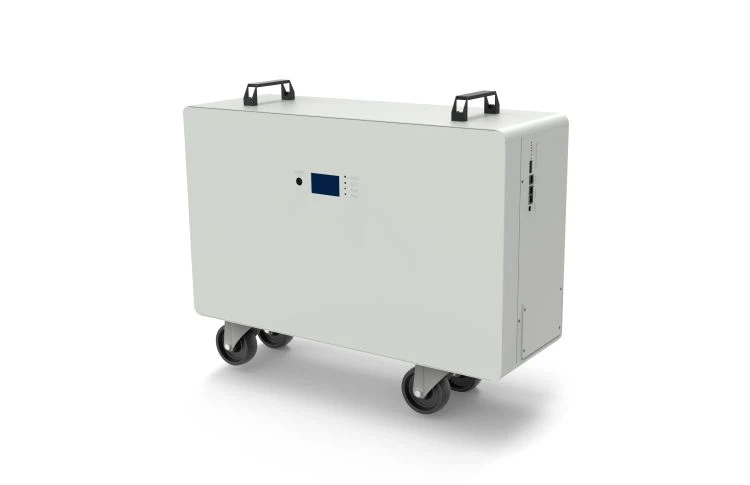
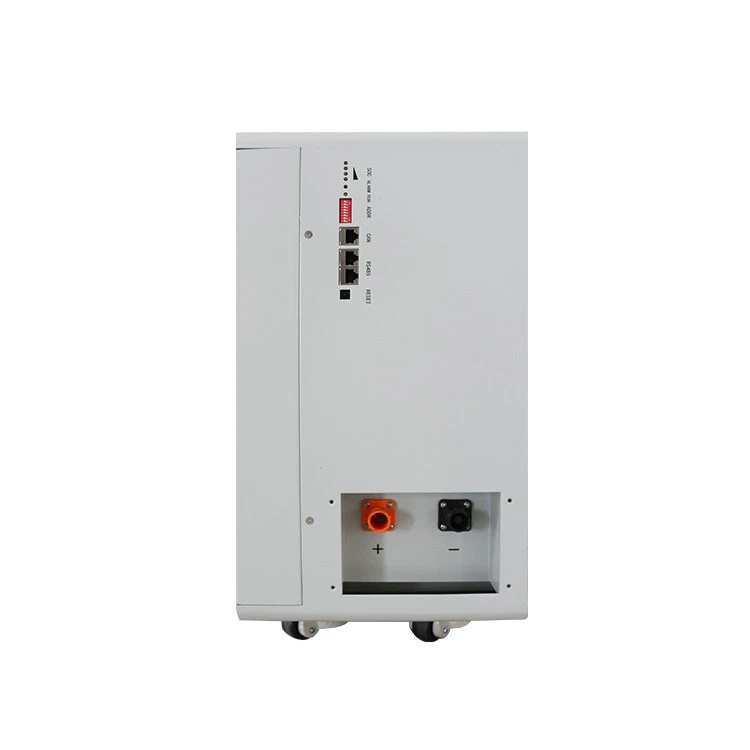
On the other hand, home backup lithium batteries are typically designed to provide power for essential household appliances during a power outage. Their capacity usually ranges from a few kilowatt - hours to tens of kilowatt - hours. For example, a common Lithium Battery Bank for Home might have a capacity of 5 - 10 kWh. This is significantly lower than the power requirements of a data center.
In terms of power output, data centers require high - power delivery to ensure that servers can maintain their operations without any interruption. Home backup batteries are not built to handle such high - power loads. A data center may need to draw hundreds or thousands of kilowatts of power instantaneously, while a home backup battery is designed for a much more modest power draw, perhaps a few kilowatts at most.
Battery Chemistry and Performance
Lithium - ion batteries used in home backup systems come in different chemistries, such as lithium iron phosphate (LiFePO4), lithium cobalt oxide (LiCoO2), etc. Each chemistry has its own characteristics in terms of energy density, cycle life, and safety.
For data centers, battery performance is crucial. They need batteries with a long cycle life because data centers operate 24/7 and may require frequent charging and discharging of the backup power system. Home backup batteries may not be optimized for such high - frequency cycling. For instance, a Lithium Storage Battery pack for home use might be designed for a few thousand charge - discharge cycles over its lifetime, while data centers may require batteries that can withstand tens of thousands of cycles.
Safety is also a major concern in data centers. Lithium - ion batteries can pose risks such as thermal runaway, which can lead to fires or explosions. Data centers need batteries with enhanced safety features. While home backup batteries also have safety mechanisms, the level of safety required in a data center environment is much higher due to the large number of valuable equipment and the potential for significant damage in case of a battery failure.
Temperature and Environmental Conditions
Data centers are typically maintained at a specific temperature and humidity range to ensure the proper functioning of servers and other equipment. The battery system in a data center needs to be able to operate effectively within this controlled environment.
Home backup batteries are designed to operate in a more variable range of environmental conditions. They may be installed in basements, garages, or outdoor enclosures where the temperature and humidity can fluctuate more widely. Using a home backup battery in a data center may require additional measures to ensure that it can operate within the strict environmental requirements of the data center.
Economic Considerations
Cost - effectiveness
From an economic perspective, using home backup lithium batteries in a data center may not be cost - effective. Data centers require a large amount of battery capacity to provide sufficient backup power. To meet the power requirements of a data center using home backup batteries, a large number of individual battery units would need to be purchased and integrated. This would not only increase the upfront cost but also the cost of installation and maintenance.
In addition, the shorter cycle life of home backup batteries compared to batteries specifically designed for data centers means that they would need to be replaced more frequently. This would result in higher long - term costs for the data center operator.
Return on Investment (ROI)
Data centers rely on backup power systems to ensure business continuity. Any downtime can result in significant financial losses due to lost productivity, data loss, and damage to the company's reputation. A data center operator expects a high return on investment from its backup power system.
Home backup batteries may not be able to provide the same level of reliability and performance as data - center - specific batteries. As a result, the ROI for using home backup batteries in a data center may be lower, as the risk of power outages and associated losses remains relatively high.
Practical Considerations
Integration and Compatibility
Data centers have complex power management systems. A backup battery system needs to be seamlessly integrated with the existing power infrastructure, including uninterruptible power supplies (UPS), generators, and power distribution units.
Home backup batteries are designed to be relatively simple to install and connect to a home electrical system. They may not be compatible with the sophisticated power management systems used in data centers. Integrating home backup batteries into a data center would require significant modifications and customizations, which can be time - consuming and costly.
Monitoring and Management
Data centers require real - time monitoring and management of their backup power systems. This includes monitoring battery state - of - charge, temperature, and performance. Home backup batteries usually come with basic monitoring features, which may not be sufficient for the needs of a data center.
A data center needs to have a comprehensive monitoring system that can provide detailed information about the battery's health and performance. This allows for proactive maintenance and early detection of potential issues. Using home backup batteries in a data center would require the implementation of additional monitoring and management tools, adding to the complexity and cost of the system.
Exceptions and Potential Solutions
While there are significant challenges in using home backup lithium batteries in a data center, there may be some exceptions. For small - scale data centers or edge data centers with relatively low power requirements, it may be possible to use a combination of home backup batteries to provide a certain level of backup power.
In such cases, it is important to carefully evaluate the power requirements, select the appropriate battery chemistry and capacity, and ensure proper integration and monitoring. Additionally, custom - designed battery management systems can be developed to optimize the performance of home backup batteries in a data center environment.
Conclusion
In general, using a lithium battery for home backup in a data center is not a straightforward solution. The technical, economic, and practical challenges are significant. However, for specific small - scale or edge data center applications, with careful planning and customization, it may be possible to use home backup batteries to some extent.
If you are considering backup power solutions for your data center or have any questions about our Lithium Storage Battery Systems for home backup, I encourage you to reach out to us. We can discuss your specific requirements and explore the best options for your needs. Whether it's a home backup solution or a customized data center backup plan, we are here to help you make an informed decision.
References
- DOE. (2022). Energy Storage Technologies for Data Centers. U.S. Department of Energy.
- IEEE. (2021). Standards for Battery Systems in Data Centers. Institute of Electrical and Electronics Engineers.
- IEC. (2020). International Electrotechnical Commission Standards for Lithium - ion Batteries. International Electrotechnical Commission.