

In the realm of home energy solutions, lithium batteries have emerged as a game - changer for home backup power. As a supplier of lithium batteries for home backup, I've witnessed firsthand the growing interest in these energy storage devices. One question that frequently arises is about the memory effect of lithium batteries for home backup. In this blog, we'll delve deep into this topic, exploring what the memory effect is, whether lithium batteries for home backup are affected by it, and how this knowledge can help you make the most of your home battery system.
Understanding the Memory Effect
The memory effect is a phenomenon that was commonly associated with older battery chemistries, such as nickel - cadmium (NiCd) batteries. When a NiCd battery is repeatedly recharged after only being partially discharged, it can "remember" the reduced capacity. Over time, this leads to a decrease in the battery's overall capacity, as it seems to forget how to utilize its full potential. For example, if you regularly recharge a NiCd battery when it's only 50% discharged, it may eventually start to behave as if its full capacity is only 50% of the original value.
This effect occurs because of the formation of crystalline structures within the battery cells during the charging and discharging cycles. These crystals can impede the normal flow of ions, reducing the battery's ability to store and release energy efficiently.

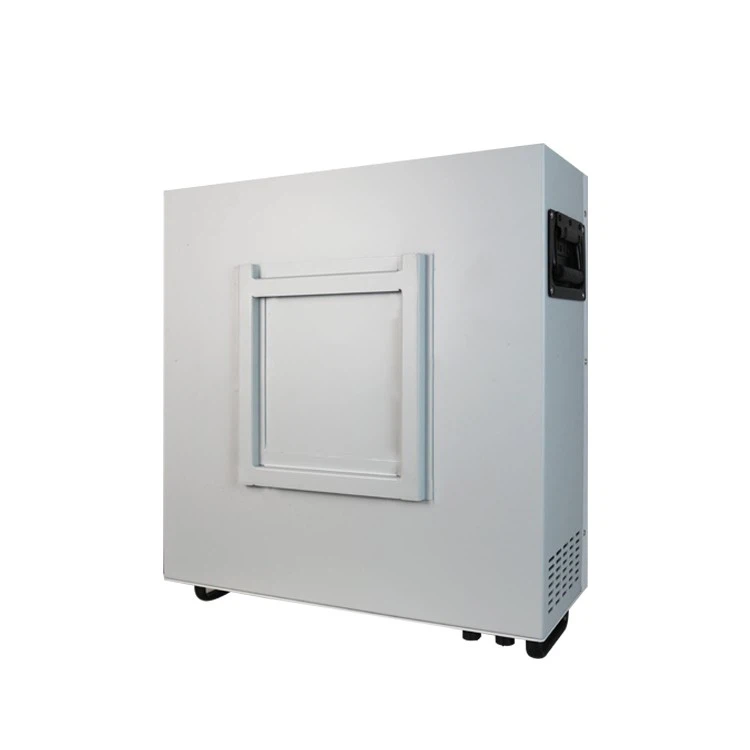
Memory Effect in Lithium Batteries
The good news for users of lithium batteries for home backup is that lithium - based chemistries, such as lithium - ion and lithium - polymer, are generally not affected by the memory effect. Unlike NiCd batteries, lithium batteries do not form the same type of crystalline structures during normal use. This means that you can recharge your lithium battery for home backup at any state of charge without worrying about reducing its long - term capacity.
The reason behind this lies in the chemistry of lithium batteries. Lithium ions move between the anode and the cathode during charging and discharging. The process is more reversible and stable compared to the chemical reactions in NiCd batteries. As a result, lithium batteries can maintain their capacity over a large number of charge - discharge cycles, even if they are not fully discharged before recharging.
Benefits of No Memory Effect for Home Backup
The absence of the memory effect in lithium batteries for home backup brings several significant benefits.
Flexibility in Charging
You have the freedom to charge your Lithium Battery Bank for Home at any time. For instance, if you have excess solar energy during the day, you can charge the battery immediately, regardless of its current state of charge. This flexibility is especially useful in a home energy system where energy generation from renewable sources like solar panels can be intermittent.
Longer Battery Lifespan
Since there is no memory - related degradation, lithium batteries can last longer. A well - maintained lithium battery for home backup can go through hundreds or even thousands of charge - discharge cycles without a significant drop in capacity. This means that you can rely on your battery system for many years, providing a stable and long - term solution for your home's backup power needs.
Reduced Maintenance
Without the need to perform full discharge cycles to prevent the memory effect, the maintenance requirements for lithium batteries are much lower. You don't have to plan your charging and discharging patterns carefully to preserve the battery's capacity. This simplicity makes lithium batteries an attractive option for homeowners who want a hassle - free energy storage solution.
Optimizing Lithium Battery Performance
Although lithium batteries are not affected by the memory effect, there are still some best practices to follow to ensure optimal performance and longevity.
Temperature Management
Lithium batteries are sensitive to temperature. High temperatures can accelerate the aging process of the battery, while extremely low temperatures can reduce its performance. It's important to install your Lithium Battery Module in a location with a stable temperature. If possible, use a temperature - controlled environment to protect the battery from extreme heat or cold.
Charge and Discharge Rates
Avoid charging or discharging your lithium battery for home backup at extremely high rates. High - rate charging and discharging can generate more heat, which can damage the battery cells over time. Most lithium battery systems come with recommended charge and discharge rates, and it's crucial to follow these guidelines.
Regular Monitoring
Keep an eye on the state of charge and health of your battery. Many modern lithium battery systems come with built - in monitoring systems that can provide information about the battery's capacity, voltage, and temperature. Regular monitoring allows you to detect any potential issues early and take appropriate measures to address them.
Applications of Lithium Batteries for Home Backup
Lithium batteries for home backup have a wide range of applications.
Power Outages
During power outages, a lithium ion battery storage packs can provide essential power to keep your lights on, run your refrigerator, and power other critical appliances. With the ability to charge at any time and maintain its capacity over a long period, a lithium battery ensures that you have reliable backup power when you need it most.
Peak Shaving
In areas where electricity rates vary depending on the time of day, lithium batteries can be used for peak shaving. You can charge the battery during off - peak hours when electricity is cheaper and use the stored energy during peak hours to reduce your electricity bills.
Integration with Renewable Energy
Lithium batteries are an ideal companion for renewable energy sources like solar panels. They can store the excess energy generated during the day and release it when the sun is not shining, ensuring a continuous supply of clean energy to your home.
Conclusion
As a supplier of lithium batteries for home backup, I'm excited about the advantages that these batteries offer. The fact that they are not affected by the memory effect is a major selling point, providing homeowners with flexibility, longer lifespan, and reduced maintenance. Whether you're looking for a reliable backup power solution during outages, a way to save on electricity bills, or a way to integrate renewable energy into your home, lithium batteries are a great choice.
If you're interested in learning more about our lithium battery products for home backup or have any questions about how they can meet your specific needs, we encourage you to reach out to us. Our team of experts is ready to assist you in finding the perfect energy storage solution for your home. Contact us today to start the conversation about powering your home with reliable and efficient lithium batteries.
References
- Linden, D., & Reddy, T. B. (2002). Handbook of Batteries. McGraw - Hill.
- Tarascon, J. M., & Armand, M. (2001). Issues and challenges facing rechargeable lithium batteries. Nature, 414(6861), 359 - 367.