

What is the maximum charge current of a lithium battery for home backup?
As a supplier of lithium batteries for home backup, I often encounter questions from customers regarding the maximum charge current of these batteries. Understanding this parameter is crucial for ensuring the efficient, safe, and long - lasting operation of home backup power systems.
The Basics of Lithium Batteries for Home Backup
Lithium batteries have become the go - to choice for home backup power solutions due to their high energy density, long cycle life, and relatively low self - discharge rate. They are commonly used in conjunction with solar energy systems, providing a reliable source of power during grid outages or when solar generation is insufficient. For those interested in solar energy storage, our Lithium Ion Battery for Solar Energy Storage offers an excellent option.
These batteries come in various forms, such as Lithium Battery Module and lithium ion battery storage packs, which can be configured to meet different power requirements of a household.
Factors Affecting the Maximum Charge Current
The maximum charge current of a lithium battery for home backup is not a fixed value and is influenced by several factors:
Battery Chemistry
Different lithium battery chemistries have different charge characteristics. For example, lithium iron phosphate (LiFePO4) batteries are known for their relatively high charge and discharge rates compared to lithium cobalt oxide (LiCoO2) batteries. LiFePO4 batteries can typically tolerate higher charge currents, which makes them a popular choice for home backup applications where fast charging may be desired.
Battery Capacity
Larger capacity batteries generally have a higher maximum charge current. This is because they have more active material available to accept the charge. However, the relationship is not linear. A battery with twice the capacity does not necessarily have twice the maximum charge current. Battery manufacturers usually specify the maximum charge current as a multiple of the battery's capacity, known as the C - rate. For instance, a 1C charge rate means charging the battery at a current equal to its rated capacity. So, a 100Ah battery charged at 1C would have a charge current of 100A.
Temperature
Temperature plays a significant role in determining the maximum charge current. Lithium batteries should be charged within a specific temperature range, usually between 0°C and 45°C. At low temperatures, the battery's internal resistance increases, which limits the charge current. Charging a battery at a high current in cold conditions can lead to lithium plating on the anode, which is a safety hazard and can reduce the battery's lifespan. On the other hand, high temperatures can accelerate chemical reactions inside the battery, increasing the risk of overheating and thermal runaway.
Battery State of Health (SOH)
As a battery ages, its internal resistance increases, and its ability to accept a high charge current decreases. A battery with a low SOH may have a reduced maximum charge current compared to a new battery. It is important to monitor the SOH of the battery regularly to ensure safe and efficient charging.
Determining the Maximum Charge Current
Battery manufacturers provide specifications for the maximum charge current of their products. These specifications are based on extensive testing under controlled conditions. When selecting a lithium battery for home backup, it is essential to refer to the manufacturer's datasheet to determine the appropriate charge current.
In addition to the manufacturer's specifications, the charging system also needs to be considered. The charger used to charge the lithium battery should be compatible with the battery's maximum charge current. Using a charger with a higher output current than the battery can handle can damage the battery and pose a safety risk.
Importance of Proper Charge Current
Maintaining the proper charge current is crucial for the performance and longevity of the lithium battery. Charging the battery at a current higher than the recommended maximum can cause overheating, which can lead to thermal runaway and potentially cause a fire or explosion. On the other hand, charging the battery at a very low current may result in longer charging times and inefficient use of the battery.
Proper charging also helps to maintain the battery's state of charge (SOC) within the optimal range. Overcharging or undercharging can lead to capacity degradation over time, reducing the battery's ability to store and deliver power.
Case Studies
Let's consider a few case studies to illustrate the importance of the maximum charge current. In a residential solar energy storage system, a homeowner installed a lithium battery with a rated capacity of 10kWh. The manufacturer specified a maximum charge current of 50A. The homeowner initially used a charger with an output current of 80A, thinking it would charge the battery faster. However, after a few charging cycles, the battery started to show signs of overheating, and its capacity began to decline. After replacing the charger with one that had a 50A output current, the battery's performance improved, and its lifespan was extended.
In another case, a commercial building with a large - scale lithium battery backup system had issues with slow charging. The system was designed to charge the battery at a very low current, which was not taking full advantage of the battery's capabilities. By increasing the charge current to the maximum recommended value, the charging time was significantly reduced, and the building was able to rely on the backup power more quickly during outages.
Conclusion
In conclusion, the maximum charge current of a lithium battery for home backup is a critical parameter that is affected by battery chemistry, capacity, temperature, and state of health. It is essential to refer to the manufacturer's specifications and use a compatible charging system to ensure safe and efficient charging.
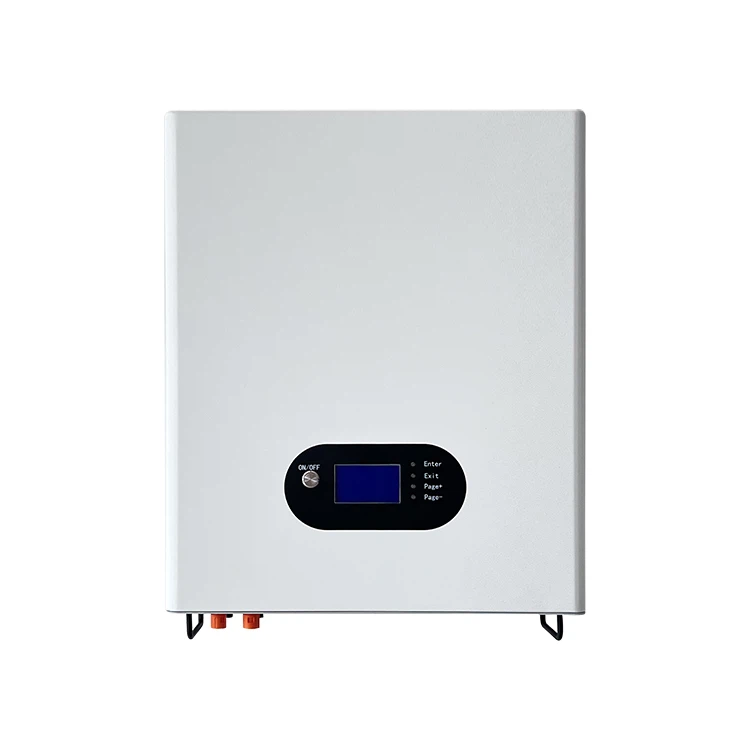

As a supplier of lithium batteries for home backup, we are committed to providing high - quality products and technical support to our customers. If you are interested in learning more about our lithium battery products or have questions about the maximum charge current, we encourage you to contact us for a detailed discussion. Our team of experts can help you select the right battery and charging system for your specific needs.
References
- Battery University. "Understanding Lithium - ion Charging."
- International Electrotechnical Commission (IEC). Standards related to lithium battery safety and charging.
- Manufacturer datasheets of lithium batteries for home backup.