

As a supplier of China ESS (Energy Storage System) batteries, I am often asked about the heat dissipation mechanism of these batteries. Understanding the heat dissipation mechanism is crucial for ensuring the performance, safety, and longevity of ESS batteries. In this blog post, I will delve into the details of the heat dissipation mechanism of China ESS batteries, exploring the various factors and technologies involved.
The Importance of Heat Dissipation in ESS Batteries
ESS batteries play a vital role in storing and releasing electrical energy, and they are widely used in various applications such as renewable energy integration, grid stabilization, and backup power. During the charging and discharging processes, batteries generate heat due to internal resistance and electrochemical reactions. If the heat is not effectively dissipated, it can lead to several problems, including:
- Reduced battery performance: High temperatures can accelerate the aging process of batteries, reducing their capacity and efficiency over time.
- Safety risks: Excessive heat can cause thermal runaway, a phenomenon where the battery temperature rises uncontrollably, leading to potential fire or explosion hazards.
- Shortened battery lifespan: Prolonged exposure to high temperatures can significantly reduce the lifespan of batteries, increasing the cost of replacement.
Therefore, an effective heat dissipation mechanism is essential for maintaining the optimal performance and safety of ESS batteries.
Heat Generation in ESS Batteries
Before discussing the heat dissipation mechanism, it is important to understand the sources of heat generation in ESS batteries. The main sources of heat in batteries include:
- Internal resistance: When current flows through the battery, the internal resistance of the battery causes energy to be dissipated as heat. This is known as Joule heating and is proportional to the square of the current and the internal resistance of the battery.
- Electrochemical reactions: During the charging and discharging processes, electrochemical reactions occur within the battery, which can also generate heat. The heat generation rate depends on the type of battery chemistry, the state of charge, and the charging and discharging rates.
- External factors: Environmental factors such as ambient temperature and sunlight can also contribute to the heat generation in batteries.
Heat Dissipation Mechanisms in China ESS Batteries
China ESS batteries employ various heat dissipation mechanisms to ensure efficient heat transfer and temperature control. The following are some of the common heat dissipation mechanisms used in China ESS batteries:
1. Air Cooling
Air cooling is one of the most commonly used heat dissipation methods in ESS batteries. It involves using fans or blowers to circulate air around the battery modules to remove heat. Air cooling systems are relatively simple and cost-effective, making them suitable for small to medium-sized ESS applications.
In an air cooling system, the air is drawn into the battery enclosure through intake vents and passes over the battery modules. The heat is transferred from the battery modules to the air, and the heated air is then exhausted through exhaust vents. The efficiency of air cooling depends on several factors, including the air flow rate, the temperature difference between the battery modules and the ambient air, and the thermal conductivity of the battery materials.
2. Liquid Cooling
Liquid cooling is a more advanced heat dissipation method that uses a liquid coolant to remove heat from the battery modules. Liquid cooling systems are more efficient than air cooling systems and can provide better temperature control, especially for large-scale ESS applications.
In a liquid cooling system, the coolant is circulated through a network of pipes or channels in the battery enclosure. The coolant absorbs the heat from the battery modules and transfers it to a heat exchanger, where the heat is dissipated to the ambient air or a secondary cooling system. The coolant can be water, a water-glycol mixture, or a specialized coolant fluid.
Liquid cooling systems offer several advantages over air cooling systems, including:
- Higher heat transfer efficiency: Liquid has a higher thermal conductivity than air, allowing for more efficient heat transfer.
- Better temperature uniformity: Liquid cooling can provide more uniform temperature distribution across the battery modules, reducing the risk of hot spots.
- Lower noise levels: Liquid cooling systems are generally quieter than air cooling systems.
3. Phase Change Material (PCM) Cooling
Phase change material (PCM) cooling is a relatively new heat dissipation method that uses a PCM to absorb and store heat. PCMs are materials that can change their phase from solid to liquid or vice versa at a specific temperature, absorbing or releasing a large amount of heat in the process.
In a PCM cooling system, the PCM is placed in close contact with the battery modules. When the battery temperature rises, the PCM absorbs the heat and changes its phase from solid to liquid. When the battery temperature decreases, the PCM releases the stored heat and changes its phase back to solid. PCM cooling systems can provide effective temperature control and reduce the peak temperature of the battery modules.
4. Heat Pipes
Heat pipes are highly efficient heat transfer devices that can transfer heat over long distances with minimal temperature difference. Heat pipes consist of a sealed tube filled with a working fluid, such as water or ammonia. The working fluid evaporates at the hot end of the heat pipe, absorbing heat from the battery modules. The vapor then travels to the cold end of the heat pipe, where it condenses and releases the heat. The condensed fluid then returns to the hot end of the heat pipe by capillary action.

Heat pipes can be used in combination with other heat dissipation methods, such as air cooling or liquid cooling, to enhance the heat transfer efficiency. They are particularly useful for dissipating heat from high-power battery modules or in applications where space is limited.
Factors Affecting Heat Dissipation
Several factors can affect the heat dissipation performance of ESS batteries, including:
- Battery design: The design of the battery modules, including the size, shape, and arrangement of the cells, can affect the heat transfer efficiency. A well-designed battery module can promote better air or liquid flow and reduce the thermal resistance between the cells and the cooling medium.
- Cooling system design: The design of the cooling system, including the type of cooling method, the layout of the cooling channels, and the flow rate of the coolant, can also affect the heat dissipation performance. A well-designed cooling system can ensure efficient heat transfer and uniform temperature distribution across the battery modules.
- Ambient temperature: The ambient temperature can have a significant impact on the heat dissipation performance of ESS batteries. In high-temperature environments, the cooling system may need to work harder to maintain the battery temperature within the optimal range.
- Battery operating conditions: The charging and discharging rates, the state of charge, and the depth of discharge can also affect the heat generation rate in batteries. Higher charging and discharging rates and deeper depths of discharge can result in more heat generation, requiring more effective heat dissipation.
Conclusion
The heat dissipation mechanism is a critical aspect of the design and operation of China ESS batteries. By employing effective heat dissipation methods, such as air cooling, liquid cooling, PCM cooling, and heat pipes, ESS batteries can maintain optimal performance, safety, and longevity. Understanding the heat generation sources and the factors affecting heat dissipation is essential for designing and operating ESS batteries in various applications.
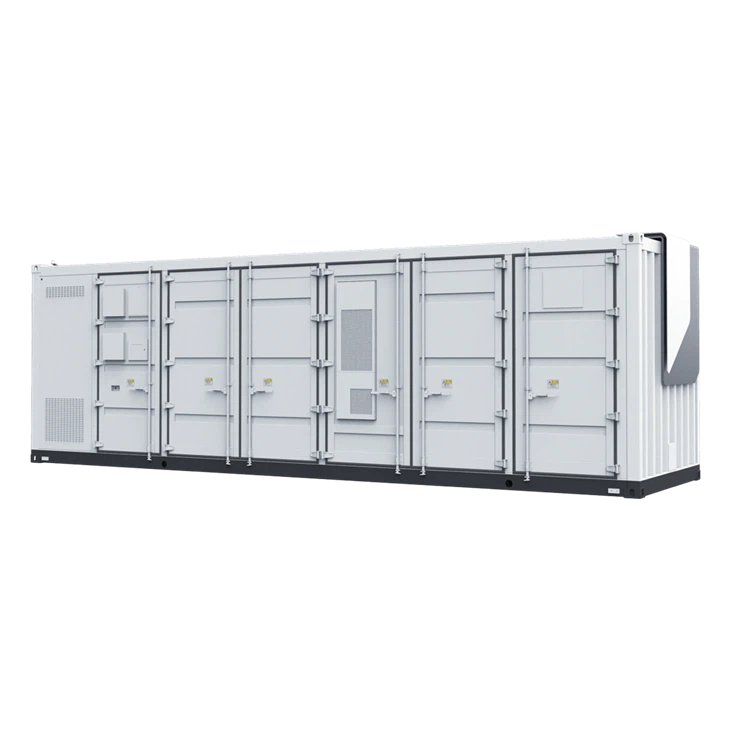
If you are interested in purchasing ESS batteries or learning more about our products, please visit our website to explore our ESS Battery Pack, ESS Battery System, and lithium ion battery ess container. We are committed to providing high-quality ESS batteries and excellent customer service. Contact us today to discuss your specific requirements and start a procurement negotiation.
References
- Wang, X., & Li, Y. (2019). Thermal management strategies for lithium-ion battery systems. Journal of Power Sources, 427, 327-340.
- Zhang, J., & Chen, Z. (2020). A review of thermal management technologies for lithium-ion battery systems. Energy Storage Materials, 26, 367-386.
- Li, H., & Liu, X. (2021). Thermal management of lithium-ion batteries: A review. Journal of Energy Storage, 40, 102777.