

In the realm of commercial battery backup systems, two prominent technologies stand out: lead - acid and lithium - ion batteries. As a supplier of Commercial Battery Backup Systems, I've witnessed firsthand the unique characteristics and applications of each type. Understanding the differences between these two technologies is crucial for businesses seeking reliable and efficient energy storage solutions.
1. Chemical Composition and Working Principle
Lead - acid batteries have been around for over a century. They consist of lead plates immersed in an electrolyte solution of sulfuric acid. When the battery is discharging, a chemical reaction occurs between the lead plates and the sulfuric acid, releasing electrical energy. During charging, the process is reversed.
On the other hand, lithium - ion batteries use lithium compounds as electrodes and a lithium - based electrolyte. The movement of lithium ions between the anode and the cathode during charging and discharging enables the storage and release of electrical energy. This chemical difference gives lithium - ion batteries several advantages over lead - acid batteries.
2. Energy Density
One of the most significant differences between lead - acid and lithium - ion batteries is their energy density. Energy density refers to the amount of energy that can be stored in a given volume or mass. Lithium - ion batteries have a much higher energy density than lead - acid batteries.
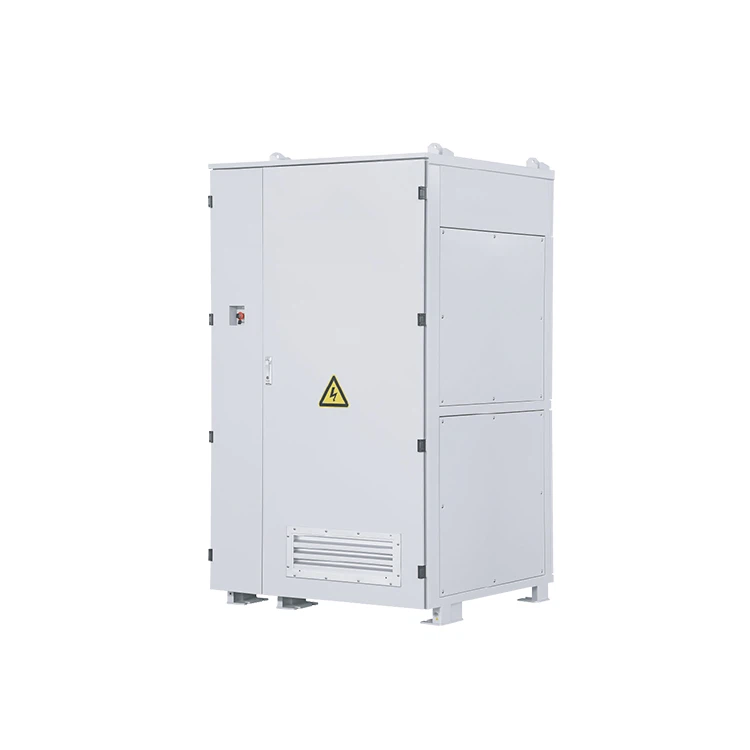
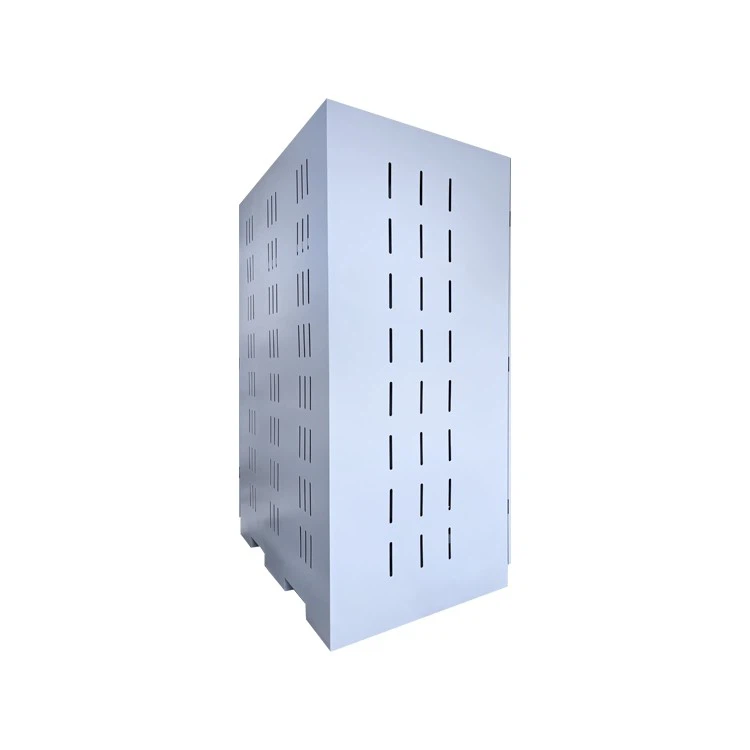
For commercial applications, this means that lithium - ion batteries can store more energy in a smaller and lighter package. For example, a Commercial Lithium Ion Battery System can provide the same amount of power as a lead - acid battery system but with a significantly smaller footprint. This is particularly important for businesses with limited space, such as data centers or small commercial buildings.
3. Cycle Life
Cycle life is another critical factor to consider when choosing a commercial battery backup system. A cycle is defined as one complete charge and discharge of the battery. Lead - acid batteries typically have a lower cycle life compared to lithium - ion batteries.
Lead - acid batteries can usually withstand around 300 - 500 charge - discharge cycles, depending on the type and usage conditions. In contrast, lithium - ion batteries can have a cycle life of 2000 - 5000 cycles or more. This means that lithium - ion batteries can last much longer and require less frequent replacement, reducing long - term costs for businesses.
4. Charging Efficiency
Lithium - ion batteries also have a higher charging efficiency than lead - acid batteries. Charging efficiency refers to the percentage of electrical energy that is actually stored in the battery during the charging process. Lead - acid batteries have a relatively low charging efficiency, often around 70 - 80%. This means that a significant amount of energy is lost as heat during charging.
Lithium - ion batteries, on the other hand, can have a charging efficiency of over 90%. This not only saves energy but also reduces the time required to charge the battery. For commercial applications where quick recharging is essential, such as in emergency backup situations, lithium - ion batteries are a clear advantage.
5. Maintenance Requirements
Lead - acid batteries require more maintenance compared to lithium - ion batteries. Lead - acid batteries need to be regularly checked for electrolyte levels and topped up with distilled water. They also need to be periodically equalized to prevent sulfation, a process that can reduce the battery's performance and lifespan.
Lithium - ion batteries, on the other hand, are virtually maintenance - free. They do not require electrolyte checks or equalization. This makes them a more convenient option for businesses that do not have the resources or expertise to perform regular battery maintenance.
6. Cost
In terms of upfront cost, lead - acid batteries are generally cheaper than lithium - ion batteries. However, when considering the total cost of ownership over the battery's lifespan, lithium - ion batteries can be more cost - effective.
The longer cycle life, higher charging efficiency, and lower maintenance requirements of lithium - ion batteries mean that businesses will spend less on battery replacement and energy costs in the long run. For example, a Lithium Battery Module for home might have a higher initial price but can save money over time due to its durability and efficiency.
7. Safety
Both lead - acid and lithium - ion batteries have safety considerations. Lead - acid batteries contain sulfuric acid, which is a corrosive substance. If the battery is damaged or leaks, it can pose a risk to human health and the environment.
Lithium - ion batteries, although generally safe, can be prone to thermal runaway if they are overcharged, over - discharged, or damaged. However, modern lithium - ion batteries are equipped with safety features such as over - charge protection, over - discharge protection, and thermal management systems to minimize these risks.
8. Environmental Impact
When it comes to environmental impact, lithium - ion batteries are generally considered more environmentally friendly than lead - acid batteries. Lead - acid batteries contain lead, a heavy metal that is toxic to humans and the environment. Improper disposal of lead - acid batteries can lead to soil and water pollution.
Lithium - ion batteries, while they do contain lithium and other metals, have a lower environmental impact overall. Additionally, efforts are being made to improve the recycling of lithium - ion batteries to further reduce their environmental footprint.
Conclusion
In conclusion, both lead - acid and lithium - ion batteries have their own advantages and disadvantages. Lead - acid batteries are a more traditional and cost - effective option for some applications, especially those with lower energy requirements and where upfront cost is a major concern. However, for businesses that require high energy density, long cycle life, fast charging, and low maintenance, lithium - ion batteries are the superior choice.
As a supplier of commercial battery backup systems, I can help businesses evaluate their specific needs and choose the most suitable battery technology. Whether you are looking for a reliable backup power solution for your data center, a small business, or any other commercial application, I am here to assist you. If you are interested in learning more about our Commercial Battery Backup Systems or have any questions about lead - acid and lithium - ion batteries, please feel free to contact me for a detailed discussion and procurement negotiation.
References
- Linden, D., & Reddy, T. B. (2002). Handbook of Batteries. McGraw - Hill.
- Tarascon, J. M., & Armand, M. (2001). Issues and challenges facing rechargeable lithium batteries. Nature, 414(6861), 359 - 367.