

Hey there! As a supplier of stackable lithium power packs, I often get asked about the difference between stackable and non-stackable ones. So, I thought I'd take a few minutes to break it down for you.
What Are Stackable and Non - Stackable Lithium Power Packs?
Let's start with the basics. A lithium power pack is a portable energy storage device that uses lithium - ion or lithium - iron - phosphate cells to store and deliver electricity. It's like a big rechargeable battery that you can use to power all sorts of things, from small electronic devices to large industrial equipment.
A non - stackable lithium power pack is a single unit that's designed to work on its own. It has a fixed capacity and output, and you can't combine it with other power packs to increase its power or capacity. For example, if you have a non - stackable power pack with a capacity of 500Wh, that's all the energy it can store and provide.
On the other hand, a stackable lithium power pack is designed to be connected with other similar power packs. You can stack them together, either physically and electrically, to increase the overall capacity and power output. Say you have a stackable power pack with a capacity of 500Wh. If you stack three of them, you'll have a total capacity of 1500Wh.
Capacity and Scalability
One of the most significant differences between stackable and non - stackable power packs is capacity and scalability. Non - stackable power packs come in pre - determined sizes and capacities. Once you buy one, you're stuck with that specific amount of power. If your power needs increase in the future, you'll have to buy a whole new, larger power pack.
Stackable power packs, however, offer a lot more flexibility. You can start with a single unit and add more as your power requirements grow. This scalability is a huge advantage, especially for businesses or individuals whose power needs might change over time. For instance, if you're running a small off - grid cabin, you might start with one or two stackable power packs. As you add more appliances or devices, you can simply stack on additional units. Check out our Lithium Iron Phosphate Battery 48v 100ah for a great stackable option.
Physical Space and Installation
When it comes to physical space, stackable and non - stackable power packs also differ. Non - stackable power packs are often designed to be standalone units. They might take up more floor space, especially if you need a large amount of power. You'll have to find a big enough area to place each individual power pack.
Stackable power packs, as the name suggests, can be stacked vertically or arranged in a more compact way. This saves a lot of space, which is especially important in areas where space is limited, like in a small apartment or a crowded industrial workshop. You can also mount stackable power packs on the wall. Our Wall Mounted Lithium Battery pack is a great example of how stackable power packs can be installed in a space - efficient manner.
Cost - Effectiveness
Cost is always a factor when choosing a power pack. Non - stackable power packs might seem cheaper upfront, especially if you only need a small amount of power. But if your power needs increase, you'll have to keep buying new, larger units, which can add up over time.
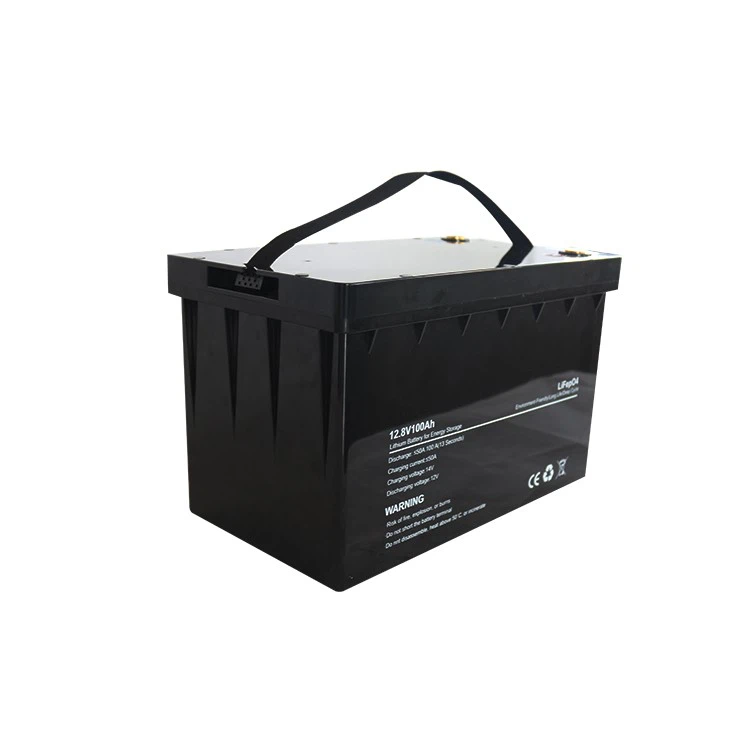

Stackable power packs, while they might be a bit more expensive initially, can be more cost - effective in the long run. Since you can add to your existing setup as needed, you don't have to replace the whole system when your power requirements change. You're essentially investing in a system that can grow with you. Plus, when you consider the space - saving benefits and the ability to customize your power output, the value of stackable power packs becomes even more apparent.
Compatibility and Integration
Another difference lies in compatibility and integration. Non - stackable power packs are usually self - contained units. They're designed to work on their own and might not be easily integrated with other power sources or systems.
Stackable power packs, on the other hand, are built with compatibility in mind. They can be easily integrated with other stackable units, as well as with solar panels, wind turbines, and other renewable energy sources. This makes them a great choice for off - grid systems or hybrid power setups. Our industrial lithium ion battery packs are highly compatible and can be integrated into various industrial and residential power systems.
Maintenance and Monitoring
Maintenance and monitoring are also different for stackable and non - stackable power packs. Non - stackable power packs are relatively simple to maintain since they're single units. However, if something goes wrong, you might have to replace the whole unit.
Stackable power packs require a bit more attention. You need to make sure that all the stacked units are working properly and that the connections between them are secure. But the good news is that if one unit fails, you can usually just replace that single unit without having to replace the entire system. Additionally, many stackable power packs come with advanced monitoring systems that allow you to keep track of the performance of each individual unit and the overall system.
When to Choose a Stackable or Non - Stackable Power Pack
So, when should you choose a stackable power pack, and when is a non - stackable one the better option?
If you have a stable and relatively small power requirement, and you don't expect your needs to change much in the future, a non - stackable power pack might be sufficient. It's simple, straightforward, and might be more budget - friendly in the short term.
However, if you have a growing power demand, limited space, or you want the flexibility to integrate with other power sources, a stackable power pack is the way to go. It offers scalability, space - saving benefits, and long - term cost - effectiveness.
Conclusion
In conclusion, the difference between stackable and non - stackable lithium power packs is significant. Stackable power packs offer scalability, space - saving, cost - effectiveness, compatibility, and better maintenance options. As a supplier of stackable lithium power packs, I can attest to the many advantages they bring.
If you're interested in learning more about our stackable lithium power packs or are considering a purchase, I'd love to have a chat with you. Whether you're a homeowner looking for an off - grid power solution or a business owner in need of reliable industrial power, we have the expertise and products to meet your needs. Reach out to us, and let's start a conversation about how we can power your future.
References
- Industry reports on lithium battery technology
- Product specifications of stackable and non - stackable lithium power packs
- User experiences and reviews of different lithium power packs