

In today's fast - paced commercial world, uninterrupted power supply is not just a luxury but a necessity. Commercial battery backup systems play a crucial role in ensuring that businesses can continue their operations smoothly, even during power outages. As a supplier of high - quality commercial battery backup systems, I am excited to delve into the technical specifications that make these systems reliable and efficient.
Battery Chemistry
One of the most important aspects of a commercial battery backup system is the battery chemistry. Lithium - ion batteries have emerged as the preferred choice for commercial applications due to their numerous advantages. Commercial Lithium Ion Battery System offers high energy density, which means they can store more energy in a smaller and lighter package compared to traditional lead - acid batteries. This is particularly beneficial for commercial settings where space may be limited.
Lithium - ion batteries also have a longer lifespan. They can endure a greater number of charge - discharge cycles, reducing the need for frequent replacements. Additionally, they have a lower self - discharge rate, which means they can retain their charge for longer periods when not in use. This is essential for backup systems that may sit idle for extended periods waiting for a power outage.
Voltage and Capacity
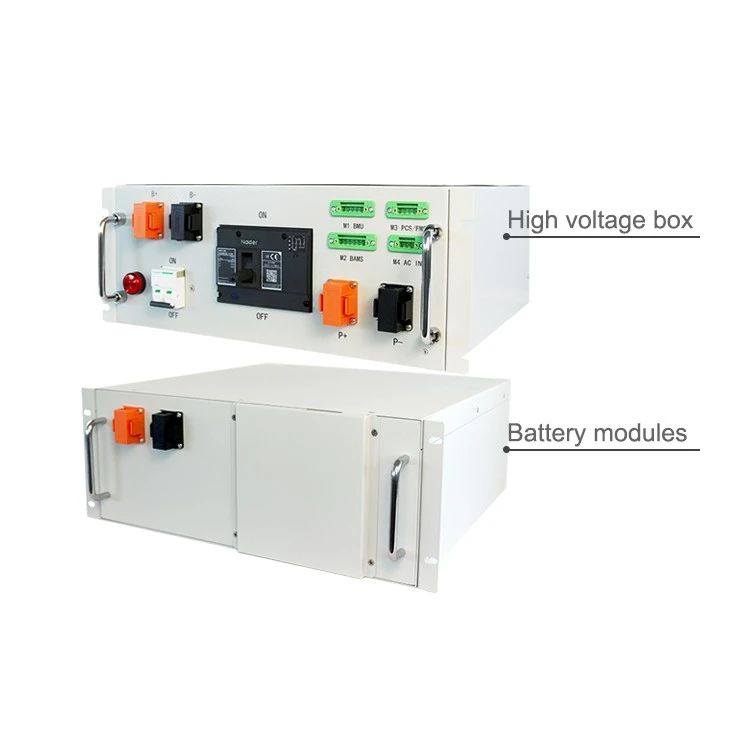
Voltage and capacity are two fundamental technical specifications that determine the performance of a commercial battery backup system. The voltage of a battery system is crucial as it needs to be compatible with the electrical equipment it is powering. For many commercial applications, 48 Volt 100ah Lithium Battery module is a popular choice. A 48 - volt system can provide sufficient power for a wide range of commercial devices, from small office equipment to larger industrial machinery.
Capacity, measured in ampere - hours (Ah), indicates the amount of charge a battery can store. A higher capacity battery can power devices for longer durations. When choosing a commercial battery backup system, businesses need to consider their power requirements and the expected duration of power outages. For example, a data center with critical servers may require a high - capacity battery system to ensure continuous operation during extended blackouts.
Charge and Discharge Rates
The charge and discharge rates of a commercial battery backup system are also important considerations. The charge rate determines how quickly the battery can be recharged after a power outage. A high - charge rate is desirable as it allows the battery to be ready for the next power interruption in a shorter time.
On the other hand, the discharge rate indicates how fast the battery can release its stored energy. For applications that require a sudden surge of power, such as starting a large motor, a battery system with a high discharge rate is necessary. Modern lithium - ion batteries used in Commercial Lithium Batteries System can be designed to have both high charge and discharge rates, providing flexibility for different commercial needs.
Temperature Range
Commercial battery backup systems need to operate effectively across a wide range of temperatures. Extreme temperatures can have a significant impact on battery performance and lifespan. In cold temperatures, the battery's capacity may decrease, and the charge and discharge rates may slow down. In hot temperatures, the battery may experience accelerated degradation.
High - quality commercial battery backup systems are designed to operate within a specified temperature range. They often incorporate thermal management systems to regulate the temperature of the batteries. These systems can include heating elements for cold environments and cooling fans or heat sinks for hot environments, ensuring optimal performance regardless of the external temperature.

Safety Features
Safety is of utmost importance when it comes to commercial battery backup systems. Lithium - ion batteries, in particular, require careful handling due to their high energy density. A reliable commercial battery backup system should have multiple safety features.
Over - charge protection prevents the battery from being charged beyond its safe limit, which can cause overheating and potentially lead to a fire. Over - discharge protection ensures that the battery is not drained too much, which can damage the battery cells and reduce their lifespan. Short - circuit protection safeguards the system from electrical faults that could cause damage to the battery or connected equipment.
Monitoring and Management Systems
Modern commercial battery backup systems are equipped with advanced monitoring and management systems. These systems allow businesses to keep track of the battery's state of charge, health, and performance in real - time. The monitoring system can provide alerts if there are any issues, such as low battery levels or abnormal temperature readings.
Battery management systems (BMS) are also integrated into the backup systems. A BMS controls the charging and discharging processes to ensure the batteries are used safely and efficiently. It can balance the charge among the battery cells, which helps to extend the overall lifespan of the battery pack.
Scalability
Scalability is an important feature for commercial battery backup systems. As businesses grow and their power requirements change, they need a battery backup system that can be easily expanded. A scalable system allows businesses to add additional battery modules to increase the overall capacity of the backup system. This is a cost - effective solution compared to replacing the entire system when more power is needed.
Efficiency
Efficiency is a key consideration for commercial battery backup systems. High - efficiency systems can convert a greater percentage of the stored energy into usable power. This not only reduces energy waste but also lowers the operating costs for businesses. Lithium - ion batteries generally have higher efficiency compared to other battery chemistries, making them a more sustainable choice for commercial applications.
Compatibility
Commercial battery backup systems need to be compatible with the existing electrical infrastructure of a business. They should be able to interface seamlessly with the power grid, generators, and other electrical equipment. This ensures that the backup system can function as intended and provide a reliable power source during outages.
Conclusion
In conclusion, commercial battery backup systems are complex pieces of technology with numerous technical specifications that need to be carefully considered. From battery chemistry and voltage to safety features and scalability, each aspect plays a crucial role in determining the performance and reliability of the system.
As a supplier of commercial battery backup systems, we are committed to providing high - quality products that meet the diverse needs of businesses. Our Commercial Lithium Ion Battery System, 48 Volt 100ah Lithium Battery module, and Commercial Lithium Batteries System are designed to offer the latest technology and optimal performance.
If you are interested in exploring our commercial battery backup systems for your business, we invite you to contact us for a detailed discussion about your power requirements and how our products can meet them. Our team of experts is ready to assist you in selecting the most suitable system for your specific needs.
References
- New Energy Technologies: Principles, Methods, and Impacts by Martin Middlebrook
- Handbook of Batteries by David Linden and Thomas B. Reddy