

As a supplier of commercial battery backup systems, one of the most frequently asked questions we receive is about the charging times for these systems. In this blog post, I'll delve into the factors that influence charging times, typical charging durations, and how you can optimize the charging process for your commercial battery backup systems.
Factors Affecting Charging Times
Battery Capacity
The capacity of a commercial battery backup system, measured in amp - hours (Ah) or kilowatt - hours (kWh), plays a significant role in determining charging time. Larger capacity batteries store more energy and, therefore, take longer to charge. For example, a small commercial battery backup system with a capacity of 10 kWh will generally charge faster than a large - scale system with a 100 kWh capacity. This is because more energy needs to be transferred to fill the larger battery.
Charging Current
The charging current is another crucial factor. It is measured in amperes (A). A higher charging current means that more electrical charge can be transferred to the battery per unit of time, resulting in a shorter charging time. However, there are limits to how high the charging current can be. Batteries have a maximum recommended charging current, and exceeding this limit can lead to overheating, reduced battery life, and even safety hazards.
Battery Chemistry
Different battery chemistries have different charging characteristics. The most common types of batteries used in commercial backup systems are lead - acid and lithium - ion.
Lead - acid batteries are relatively inexpensive and have been used for a long time. They typically have a slower charging rate compared to lithium - ion batteries. This is because lead - acid batteries are more sensitive to high charging currents, and rapid charging can cause sulfation, which reduces the battery's capacity and lifespan.
Lithium - ion batteries, on the other hand, can handle higher charging currents and generally charge faster. They also have a higher energy density, which means they can store more energy in a smaller and lighter package. You can learn more about Lithium Battery Module for home on our website.
State of Charge
The initial state of charge (SOC) of the battery affects the charging time. If a battery is almost completely discharged, it will take longer to charge compared to a battery that is only partially discharged. As the battery approaches full charge, the charging process usually slows down to prevent overcharging. This is known as the "trickle charge" phase.
Charger Efficiency
The efficiency of the charger used to charge the commercial battery backup system also impacts charging time. A more efficient charger can convert a higher percentage of the input electrical energy into stored energy in the battery. Inefficient chargers waste energy as heat, which not only increases the charging time but also adds to the operating costs.
Typical Charging Times
The charging times for commercial battery backup systems can vary widely depending on the factors mentioned above. Here are some general estimates:
Small - Scale Systems
For small commercial battery backup systems with a capacity of around 5 - 10 kWh, using a standard charger, the charging time can range from 4 to 8 hours. If a high - power charger is used, the charging time can be reduced to 2 - 4 hours.
Medium - Scale Systems
Medium - scale systems with a capacity of 20 - 50 kWh may take 8 to 16 hours to charge with a regular charger. With a more advanced charger, the charging time can be shortened to 4 - 8 hours.
Large - Scale Systems
Large - scale commercial battery backup systems with capacities of 100 kWh or more can take 16 to 24 hours or even longer to charge using a standard charger. However, with high - power charging infrastructure, the charging time can be significantly reduced, but it still typically takes several hours.
Optimizing Charging Times
Use a High - Quality Charger
Investing in a high - quality charger with high efficiency and the ability to deliver the appropriate charging current can significantly reduce charging times. Our Commercial Battery Backup Systems are compatible with a range of high - performance chargers that are designed to optimize the charging process.
Implement Smart Charging Strategies
Smart charging strategies can help manage the charging process more effectively. For example, some chargers can adjust the charging current based on the battery's state of charge and temperature. This ensures that the battery is charged safely and efficiently.
Consider Battery Chemistry
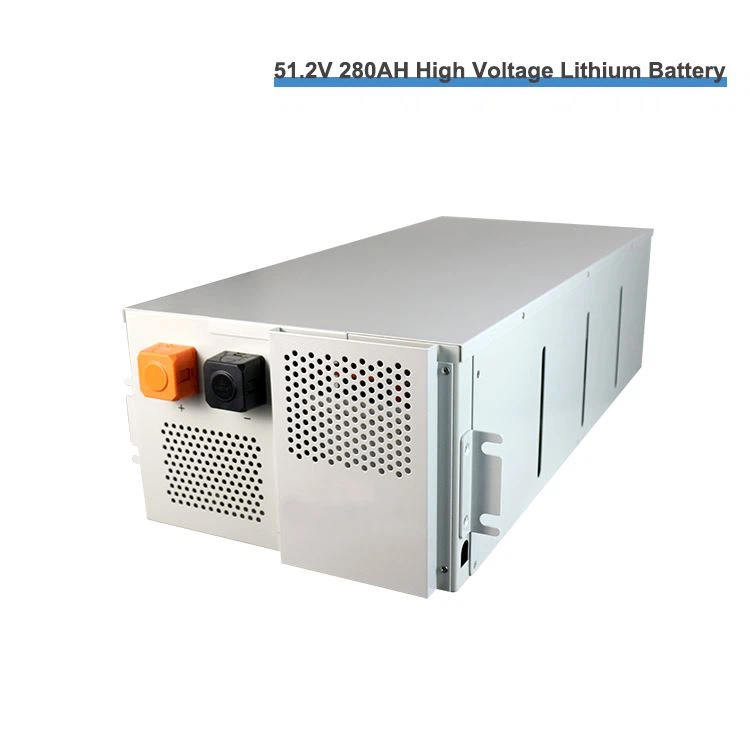
If fast charging is a priority, consider using lithium - ion batteries. Our Commercial Lithium Ion Battery System offers fast charging capabilities along with other benefits such as high energy density and long lifespan.

Schedule Charging During Off - Peak Hours
Charging your commercial battery backup system during off - peak hours can not only save on electricity costs but also take advantage of lower demand on the power grid. This can result in a more stable and faster charging process.
Conclusion
Understanding the charging times for commercial battery backup systems is essential for businesses that rely on these systems for power backup. By considering the factors that affect charging times and implementing optimization strategies, you can ensure that your battery backup system is ready when you need it.
If you are interested in our commercial battery backup systems and want to learn more about their charging times and other features, or if you have any questions regarding procurement, please feel free to contact us. We are more than happy to assist you in finding the right solution for your business needs.
References
- Battery University: A comprehensive resource for battery knowledge, covering battery chemistry, charging, and maintenance.
- IEEE Transactions on Power Electronics: Research papers on advanced charging technologies and battery management systems.
- Industry reports on commercial battery backup systems from market research firms.