

Is it dangerous to use a lithium battery with low voltage?
In recent years, lithium batteries have become ubiquitous in our daily lives, powering everything from smartphones and laptops to electric vehicles and renewable energy storage systems. As a supplier of low - voltage lithium batteries, I often encounter questions regarding the safety of using these batteries when their voltage is low. In this blog, I will delve into the science behind lithium batteries, discuss the potential risks associated with low - voltage operation, and offer some insights on how to handle such situations safely.
Understanding Lithium Batteries
Lithium batteries are rechargeable energy storage devices that operate based on the movement of lithium ions between the anode and the cathode. During charging, lithium ions move from the cathode to the anode, and during discharging, they move back to the cathode. The voltage of a lithium battery is a crucial parameter that reflects its state of charge. For example, a fully charged lithium - ion battery typically has a voltage around 4.2 volts per cell, while a discharged cell may reach as low as 2.5 - 3.0 volts.
Low - voltage lithium batteries, such as those used in small electronic devices or low - power applications, have specific design characteristics. They are often optimized for compactness, cost - effectiveness, and low - power consumption. Our company offers a range of Low Voltage Lithium Ion Battery Systems that are designed to meet the diverse needs of our customers.
Potential Dangers of Using Low - Voltage Lithium Batteries
-
Over - discharge Risk
One of the primary concerns when using a lithium battery with low voltage is over - discharge. When a lithium battery is discharged below its recommended minimum voltage, several negative effects can occur. The chemical reactions inside the battery may become unstable, leading to the formation of metallic lithium on the anode. This metallic lithium can cause short - circuits within the battery, generating heat and potentially leading to thermal runaway. Thermal runaway is a dangerous situation where the battery temperature rises rapidly, which can result in swelling, venting, or even an explosion. -
Capacity Degradation
Repeatedly using a lithium battery at low voltage can also cause significant capacity degradation. The electrodes in the battery can undergo structural changes during over - discharge, reducing the number of available lithium ions for the charge - discharge process. As a result, the battery's overall capacity decreases over time, and its performance deteriorates. This means that the battery will not be able to hold as much charge as it did when it was new, and the device it powers will have a shorter operating time. -
Internal Resistance Increase
Low - voltage operation can lead to an increase in the internal resistance of the battery. As the battery discharges, the chemical composition of the electrodes changes, and the movement of lithium ions becomes more difficult. This increased resistance causes more energy to be dissipated as heat during charging and discharging, further reducing the battery's efficiency and lifespan.
Safety Measures for Low - Voltage Lithium Batteries
-
Use of Battery Management Systems (BMS)
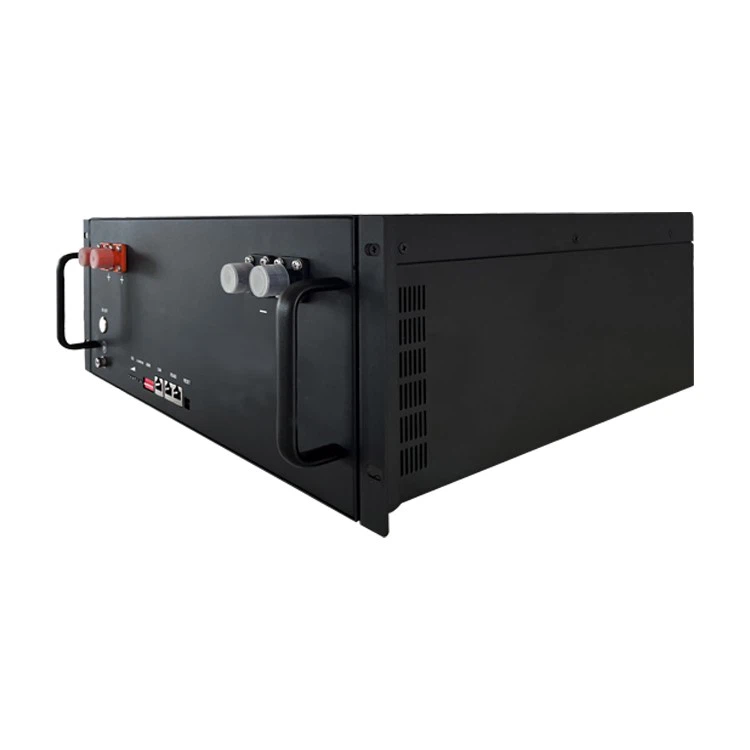
A Battery Management System is an essential component for ensuring the safe operation of lithium batteries, especially those operating at low voltages. A BMS monitors the battery's voltage, current, and temperature, and it can prevent over - discharge by cutting off the power supply when the battery voltage reaches a critical level. Our Lithium Iron Phosphate Battery 48v 100ah comes equipped with a high - quality BMS to protect the battery from over - discharge and other potential hazards. -
Proper Charging Practices
It is crucial to follow the manufacturer's charging instructions when using low - voltage lithium batteries. Use only the recommended chargers and avoid over - charging or under - charging the battery. Over - charging can cause the battery to overheat and increase the risk of thermal runaway, while under - charging can lead to premature capacity degradation. -
Regular Monitoring
Regularly monitoring the voltage and performance of the battery can help detect any potential issues early. If you notice a significant drop in voltage or a decrease in the battery's capacity, it may be a sign of a problem. In such cases, it is advisable to have the battery inspected by a professional or replaced if necessary.
Our Low - Voltage Lithium Battery Solutions
As a supplier of low - voltage lithium batteries, we are committed to providing our customers with high - quality and safe products. Our Stackable Lithium Power Pack is a versatile solution that can be used in a variety of applications, from off - grid solar systems to portable power stations. These power packs are designed with advanced safety features, including over - discharge protection and short - circuit protection, to ensure reliable and safe operation.
We also offer customized low - voltage lithium battery solutions to meet the specific needs of our customers. Whether you need a battery for a small IoT device or a large - scale energy storage system, our team of experts can work with you to develop a tailored solution that meets your requirements.
Conclusion
While using a lithium battery with low voltage can pose certain risks, these risks can be effectively managed through proper safety measures and the use of high - quality battery management systems. As a supplier, we are dedicated to providing our customers with safe and reliable low - voltage lithium battery solutions. If you are interested in learning more about our products or have any questions regarding the safety of low - voltage lithium batteries, please feel free to contact us for a procurement discussion. We look forward to working with you to meet your energy storage needs.

References
- Linden, D., & Reddy, T. B. (2002). Handbook of Batteries. McGraw - Hill.
- Tarascon, J. M., & Armand, M. (2001). Issues and challenges facing rechargeable lithium batteries. Nature, 414(6861), 359 - 367.