

Hey there! As a supplier of lithium ion portable batteries, I've seen a lot of folks scratching their heads when it comes to picking the right battery for their devices. It's not as simple as it might seem, but don't worry – I'm here to break it down for you.
Understanding Your Device's Needs
First things first, you gotta know your device inside out. What's its power consumption? Different devices have different appetites for power. For example, a small Bluetooth speaker won't need as much juice as a high - end laptop. Check the device's manual or look for the power requirements on the label. Usually, it'll tell you the voltage and current it needs.
Let's say you have a tablet. Most tablets run on around 5V to 12V, but the current can vary. If you pick a battery that can't supply the right voltage or current, your device might not work properly, or it could even get damaged. So, make sure you match the battery's output to your device's input requirements.
Capacity Matters
The capacity of a lithium ion portable battery is measured in milliampere - hours (mAh) or watt - hours (Wh). It basically tells you how much energy the battery can store. A higher capacity means more charge for your device.
If you're someone who's always on the go and needs to charge your phone multiple times a day, you'll want a high - capacity battery. For instance, a battery with a capacity of 20,000mAh can charge a typical smartphone (with a 4000mAh battery) around five times.
But remember, a higher capacity battery is usually bigger and heavier. So, if portability is your top priority, you might have to compromise on capacity. There are some sleek, low - capacity batteries that are super easy to carry around in your pocket, perfect for a quick top - up.
Output Ports and Compatibility
How many devices do you want to charge at once? That's an important question when choosing a lithium ion portable battery. Some batteries come with a single USB port, while others have multiple ports, allowing you to charge several devices simultaneously.
Also, check the compatibility of the ports. Most modern devices use USB - C ports, which can support fast charging. If your device supports fast charging, make sure the battery you choose also has fast - charging capabilities. Otherwise, you'll be stuck with slow charging, and who has time for that?
There are also batteries with specialized ports for different types of devices, like laptops or cameras. If you have such devices, look for a battery that's compatible with them. You can find a wide range of Portable Lithium Ion Battery Packs on our website, with various port configurations to suit your needs.
Safety Features
Safety should never be overlooked when it comes to lithium ion batteries. These batteries can be pretty powerful, and if something goes wrong, it can be dangerous. Look for batteries that have built - in safety features like over - charging protection, over - discharging protection, and short - circuit protection.
Over - charging protection prevents the battery from being charged beyond its capacity, which can damage the battery and even cause it to catch fire. Over - discharging protection stops the battery from discharging too much, which can also harm the battery's lifespan. Short - circuit protection cuts off the power supply if there's a short circuit, preventing any potential accidents.
Our Lithium Portable Battery packs are designed with top - notch safety features to give you peace of mind. You can trust that your devices and yourself are in good hands.
Brand and Reliability
In the world of lithium ion portable batteries, the brand matters. A well - known brand usually has a reputation to uphold, which means they're more likely to produce high - quality batteries. Do some research on different brands, read reviews from other users, and see what people are saying about their products.
A reliable brand will also offer good customer service. If you have any issues with the battery, like it not working properly or having a shorter lifespan than expected, you want a brand that will stand behind their product and help you out.
Price vs. Quality
It's always a balancing act between price and quality. You don't want to overspend on a battery, but you also don't want to buy a cheap one that'll break down after a few uses.
Cheaper batteries might seem like a good deal at first, but they often lack the quality and safety features of more expensive ones. They might not charge your devices as efficiently, or they could even pose a safety risk.
On the other hand, high - end batteries usually come with better build quality, more features, and longer lifespans. They're an investment in the long run, especially if you rely on your portable battery a lot.
Battery Lifespan
The lifespan of a lithium ion battery is measured in charge cycles. A charge cycle is when you charge the battery from 0% to 100% and then discharge it back to 0%. Most lithium ion batteries have a lifespan of around 300 - 500 charge cycles.
However, the actual lifespan can vary depending on how you use and take care of the battery. For example, if you frequently over - charge or over - discharge the battery, its lifespan will be shorter. To extend the battery's lifespan, try to keep it charged between 20% and 80%.
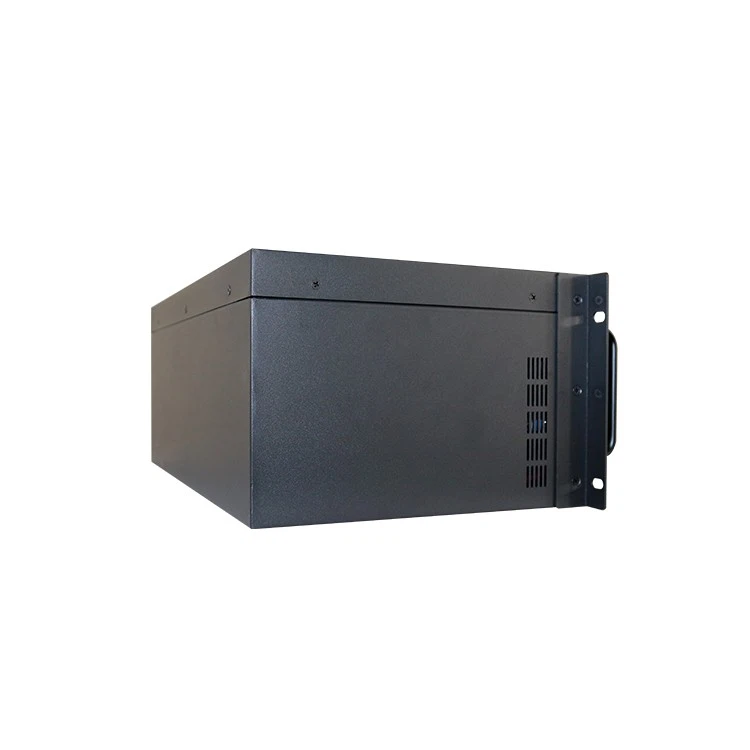
Our Portable Lithium Ion Battery System is designed to have a long lifespan, so you can get the most out of your investment.
Conclusion
Choosing the right lithium ion portable battery for your device isn't rocket science, but it does require a bit of research. By understanding your device's needs, considering capacity, output ports, safety features, brand, price, and battery lifespan, you can make an informed decision.

If you're still not sure which battery is right for you, don't hesitate to reach out. As a supplier, we're here to help you find the perfect battery for your device. Whether you're a casual user or a professional who needs a reliable power source on the go, we've got you covered. Contact us for more information and to start a procurement discussion.
References
- Battery University: General information about lithium ion batteries and their characteristics.
- Consumer Reports: Reviews and comparisons of different portable battery brands.