

Hey there! As a supplier of ESS battery cost, I've been getting a lot of questions lately about how the size of an ESS battery affects its cost. So, I thought I'd sit down and write a blog post to share some insights on this topic.
Let's start by understanding what an ESS battery is. An ESS (Energy Storage System) battery is a crucial component in today's energy landscape. It helps store energy generated from renewable sources like solar and wind, and then releases it when needed. You can check out more about the ESS Battery System on our website.
Now, when it comes to the size of an ESS battery, it's not just about the physical dimensions. Size in this context usually refers to the battery's capacity, which is measured in kilowatt - hours (kWh). A larger capacity battery can store more energy, which is great for applications that require a lot of power over an extended period.
Factors Affecting Cost Based on Size
Raw Materials
One of the most significant factors influencing the cost of an ESS battery is the amount of raw materials needed. Larger batteries require more of everything - electrodes, electrolytes, and casing materials. For example, lithium - ion batteries, which are very popular in ESS applications, rely on lithium, cobalt, and nickel. The more capacity a battery has, the more of these precious metals are needed. You can learn more about ESS Battery Pack and the materials used in them on our site.
As the demand for larger batteries grows, the cost of these raw materials can fluctuate. If there's a shortage of a particular metal, the price can skyrocket, and that cost is passed on to the consumer. So, in general, a larger ESS battery will cost more just because it needs more raw materials.
Manufacturing Complexity
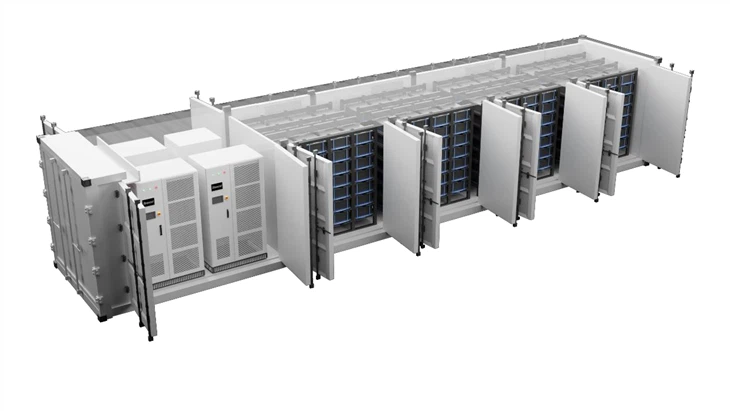
Making a larger ESS battery is also more complex than making a smaller one. The manufacturing process has to be scaled up, which often requires more advanced equipment and more skilled labor. For instance, when assembling a lithium ion battery ess container, a larger container needs to be carefully designed and built to ensure proper ventilation, temperature control, and safety.
There are also more quality control steps involved in producing a larger battery. Each cell in the battery has to be tested to make sure it meets the required standards. If one cell fails, it can affect the performance of the entire battery. All these extra steps add to the overall cost of manufacturing.
Energy Density and Efficiency
Energy density is another important factor. It refers to how much energy a battery can store per unit of volume or weight. A higher energy - density battery can store more energy in a smaller space. When we talk about larger batteries, achieving a high energy density becomes even more critical.
However, increasing energy density often requires more advanced technology and better materials, which can be expensive. Also, larger batteries may have lower efficiency compared to smaller ones. Efficiency is about how much of the stored energy can be actually used. If a larger battery has lower efficiency, it means more energy is wasted during charging and discharging, and this inefficiency can increase the overall cost of using the battery.
Cost - Benefit Analysis
Despite the higher cost, larger ESS batteries can offer significant benefits. For commercial and industrial applications, a larger battery can provide enough power to run an entire facility during peak demand or when the grid goes down. This can save a lot of money in the long run by reducing reliance on the grid and avoiding high - cost peak - time electricity rates.
For renewable energy projects, a larger battery can store more energy generated during the day (from solar panels) or at night (from wind turbines) and release it when there's no sunlight or wind. This helps to make the energy supply more stable and reliable.
Let's say you're running a small business. You can install a smaller ESS battery to power some essential equipment during a power outage, but if you want to keep your whole operation running, a larger battery is the way to go. Yes, it will cost more upfront, but it can save you from losing business during power disruptions.
Pricing Models
When it comes to pricing ESS batteries, there are different models. Some suppliers charge based on the kWh capacity of the battery. So, the more kWh a battery has, the higher the price. Others may include additional costs for installation, maintenance, and warranty.

As a supplier, I always try to offer a transparent pricing model. I understand that customers want to know exactly what they're paying for. That's why I break down the cost into different components - raw materials, manufacturing, installation, and ongoing maintenance. This way, customers can see where their money is going and make an informed decision.
Conclusion
In conclusion, the size of an ESS battery has a significant impact on its cost. Larger batteries require more raw materials, are more complex to manufacture, and may have lower efficiency. However, they also offer greater benefits in terms of power supply and energy storage.
If you're considering purchasing an ESS battery, it's important to do a cost - benefit analysis. Think about your energy needs, your budget, and the long - term savings. And if you have any questions or want to discuss your specific requirements, don't hesitate to reach out. I'm here to help you find the best ESS battery solution for your needs. Whether you're looking for a small battery for a home or a large one for an industrial facility, I can provide you with the right information and options. So, let's start a conversation and see how we can work together to meet your energy storage needs.
References
- Industry reports on battery raw material prices
- Technical papers on battery manufacturing processes
- Case studies on the use of ESS batteries in commercial and industrial applications